A hornbill prosthetic beak project at ARTIS in Amsterdam has supplied replacement parts for both the bird’s broken upper and lower beak. The zoo announced the treatment October 16. It says the male southern ground hornbill was independently picking up food the next morning. Somewhere amid the endless promises that technology will transform everything, a team has delivered a bird a way to pick up breakfast.
The collaboration involves ARTIS, Utrecht University’s veterinary faculty, UMC Utrecht and Amnovis. According to the zoo, specialists used a CT scan and preserved pieces of the original beak to reconstruct the shape. The replacement components were 3D-printed in plastic and attached with titanium parts and screws. This was a custom surgical project, not a consumer accessory clipped onto an unwilling animal.
ARTIS describes the repair of both beak sections this way as a world first as far as is known. That qualification matters. The zoo also reports that the bird began using the prostheses on the day of surgery and resumed feather care after several days. The team will continue monitoring recovery and hopes the parts will function well over the longer term.
Analysis: the meaningful outcome is not how impressive the replacement looks in a photograph. It is whether the bird can carry out activities that were limited by the injury. The zoo frames the work around natural behavior, including feeding and grooming. That is a much more useful measure than treating the animal as a display stand for a printer.
The early result and the long-term result are separate questions. Independent feeding soon after surgery is encouraging, but it does not establish years of durability. Continued observation is part of the story, not an inconvenient disclaimer attached to it. A device can be a genuine achievement while still needing to demonstrate how it performs over time.
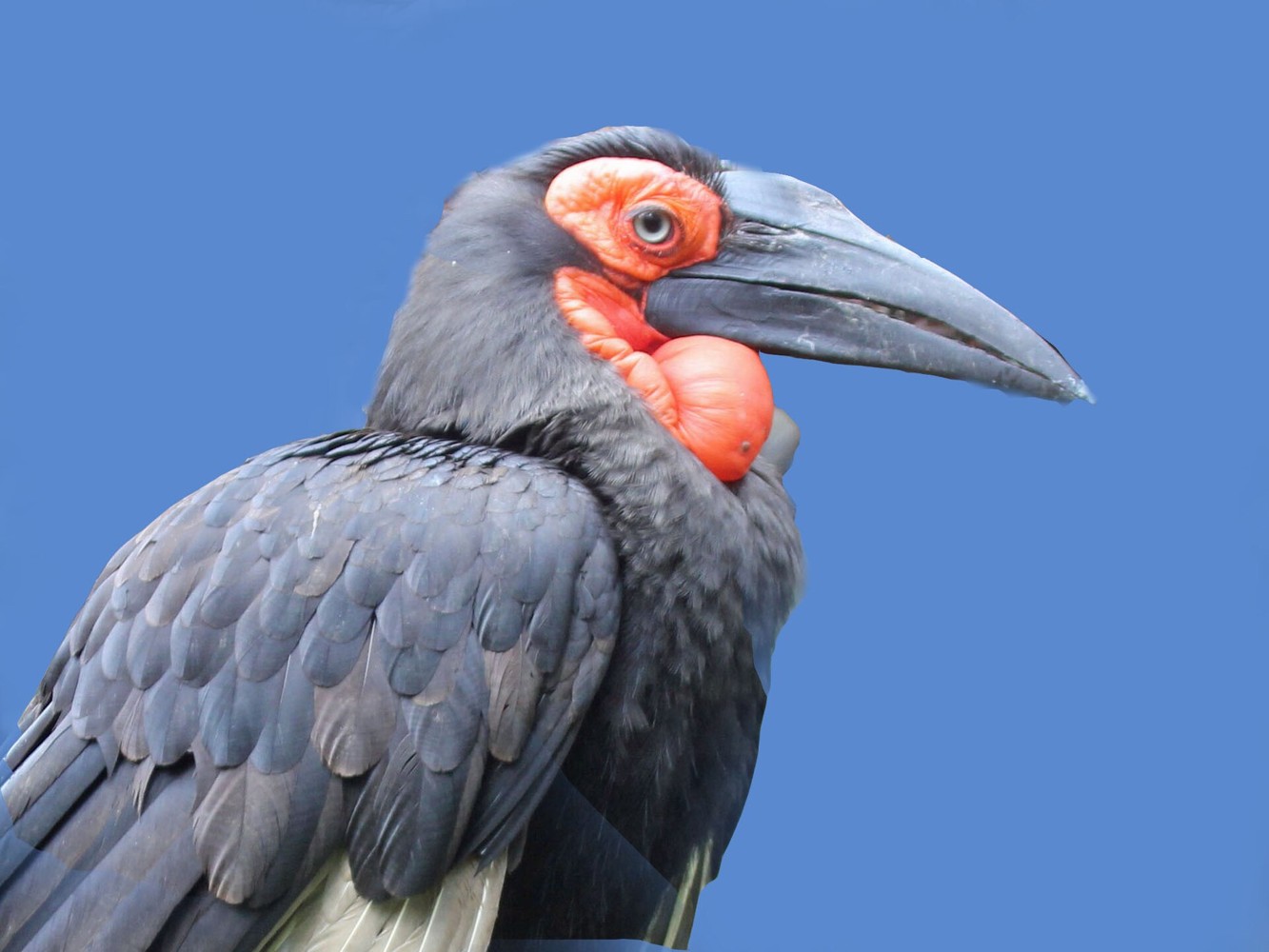
The image with this article is deliberately labeled representative. It shows the species, not the treated animal or a before-and-after result. Passing off another hornbill as the patient would make the page more visually convenient and less truthful. Readers deserve to know whether they are looking at evidence of the procedure or simply the kind of bird involved.
The verified development is a documented veterinary collaboration with reported early improvements and ongoing follow-up. No claim of a permanent cure is needed to appreciate it. There is something refreshing about an engineering story whose immediate goal is both specific and understandable: help this bird do the ordinary things a bird needs to do, then keep checking whether it works.
Sources and photograph
ARTIS, October 16 treatment announcement. UPI, October 16 coverage.
Representative file photograph of a southern ground hornbill; not the treated ARTIS bird, its injury or its new prostheses. Photo: Dick Daniels (http://theworldbirds.org/); CC BY-SA 3.0. Display copy resized. Original photograph and rights record. Image-use terms.

More from this Daily Junk Food section.
Facts first. Side-eye included.
DJF separates what is confirmed from what is claimed—and tells you why this particular mess is worth your time.

Wade Crowley
Strange News & Small-Town WeirdWade collects stories that begin with “You are not going to believe what happened at the Walmart.” He covers odd crime, local legends, UFOs, and reality losing the plot.
“Somewhere, a police report is already getting weirder.”