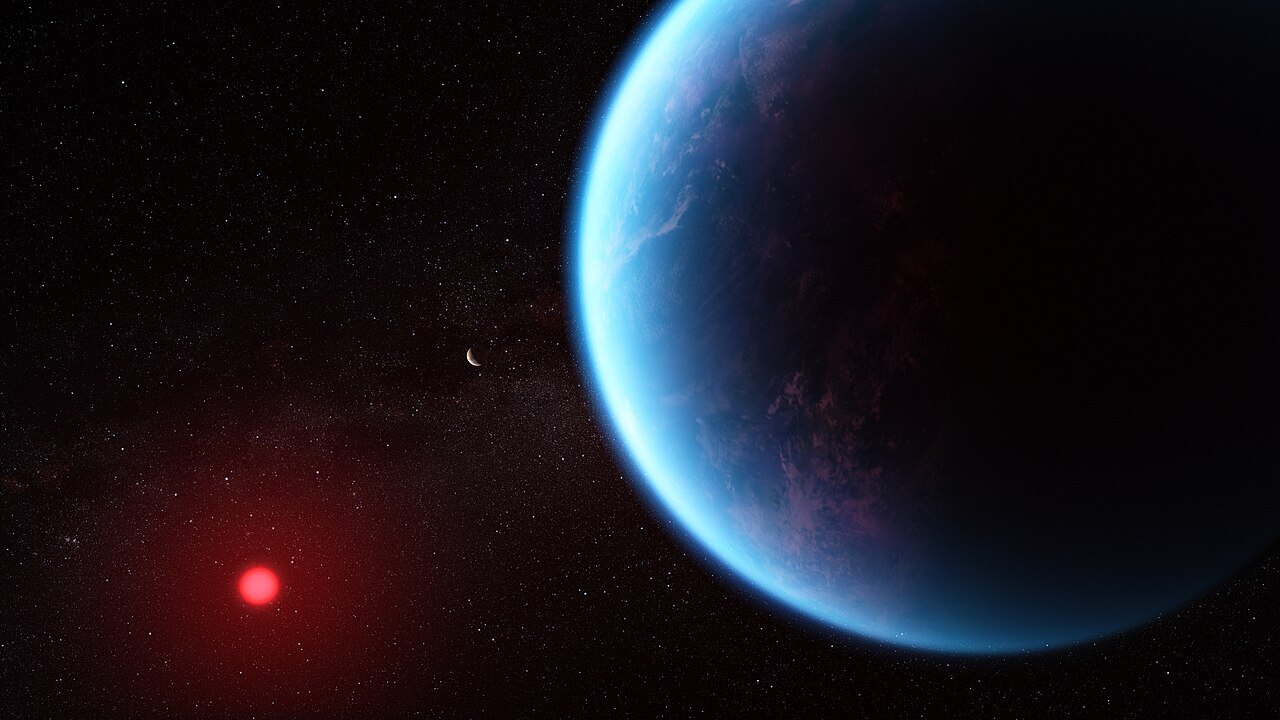
Hundreds of astrobiologists have weighed two prominent “have we found alien life?” claims and delivered science's least algorithm-friendly answer: probably not, at least not from the current evidence. Only 6.6% agreed that observations of exoplanet K2-18b probably indicate extraterrestrial life.
Confidence was somewhat higher for a debated Martian rock, but still only 15.1% agreed that life was probably found. Most experts disagreed or remained neutral.
Interesting chemistry is not a biological fingerprint
K2-18b studies have reported atmospheric molecules that can be associated with biology on Earth. Those molecules may also arise through nonliving chemistry, and researchers continue debating the observations themselves.
Mars samples and images contain structures or compounds that can look biologically suggestive while also having geological explanations.
Expert caution is a feature
Astrobiology requires multiple, independent lines of evidence that survive attempts at nonbiological explanation. A headline, one molecule or one unusual shape cannot carry the full claim.
The survey summary reports the expert percentages and areas of disagreement.
The study does not prove aliens are absent. It shows the specialists most eager to find life are also unwilling to award first contact on vibes and a spectral squiggle.
Facts first. Side-eye included.
DJF separates what is confirmed from what is claimed—and tells you why this particular mess is worth your time.

Wade Crowley
Strange News & Small-Town WeirdWade collects stories that begin with “You are not going to believe what happened at the Walmart.” He covers odd crime, local legends, UFOs, and reality losing the plot.
“Somewhere, a police report is already getting weirder.”