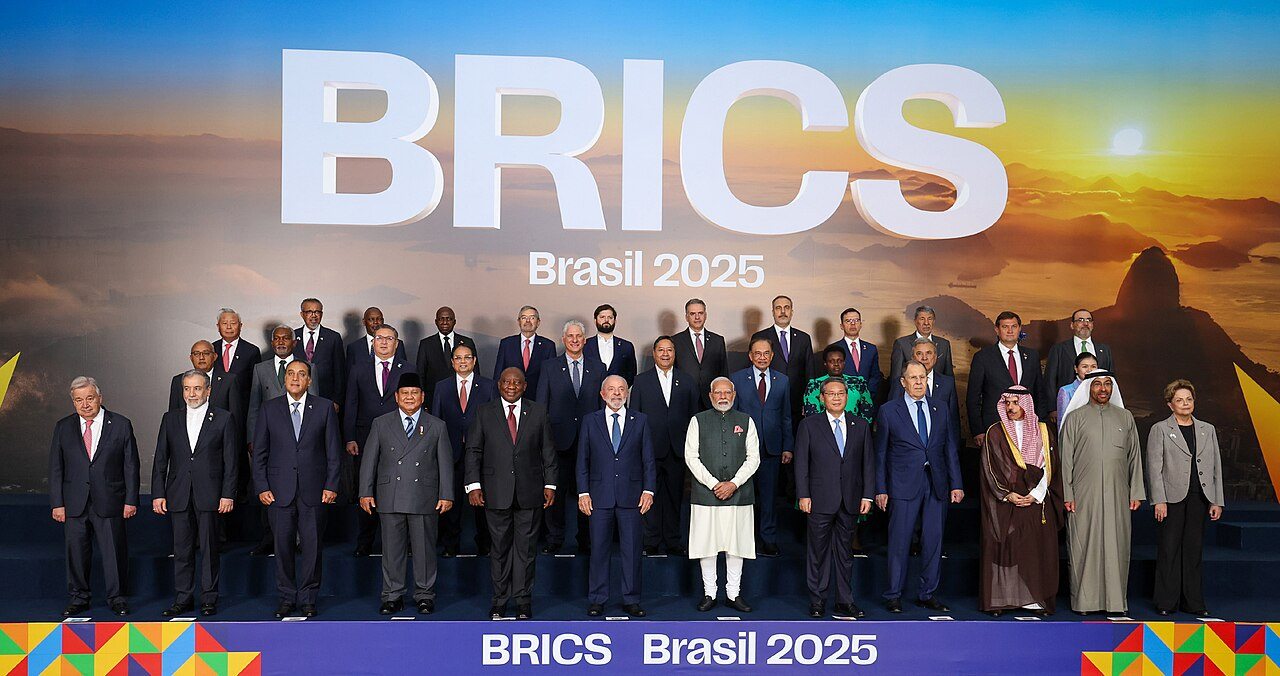
Indian Prime Minister Narendra Modi warned at the BRICS summit that geopolitical conflict, supply-chain shocks, climate pressure and weaponized technology threaten global stability. It was a cheerful little Sunday checklist for anyone who had hoped to relax.
An expanded bloc with enormous reach
The 11-member group now represents roughly half the world's population. Leaders endorsed cooperation on local-currency trade, cross-border payments, food security, energy, artificial intelligence and an early-warning system for infectious disease.
The joint declaration also called for restraint in the Middle East, addressed Sudan and Ukraine, criticized unilateral sanctions and pushed reforms to global institutions. Getting Iran, Saudi Arabia, the United Arab Emirates, China, India and Russia onto one statement is diplomatically notable, even when the language is broad enough to park a summit limousine inside.
Declarations need receipts
AP covered the proposals and political balancing act. BRICS wants a greater role for the Global South, a legitimate goal in institutions built around older power arrangements. The test is whether working groups produce measurable results or merely another family photo where everyone agreed that problems are bad. Gen X has seen enough strategic plans to know the difference appears around page 47.
Facts first. Side-eye included.
DJF separates what is confirmed from what is claimed—and tells you why this particular mess is worth your time.

Dana Side-Eye
Receipts, Rumors & Internet NonsenseDana reads the fine print, checks the timeline, and keeps one eyebrow permanently raised. She covers viral claims, internet pile-ons, and suspiciously convenient explanations.
“Screenshots are forever. So is the side-eye.”