
Historical investigation • Kansas, United States • Focus: the 2004–2005 breakthrough
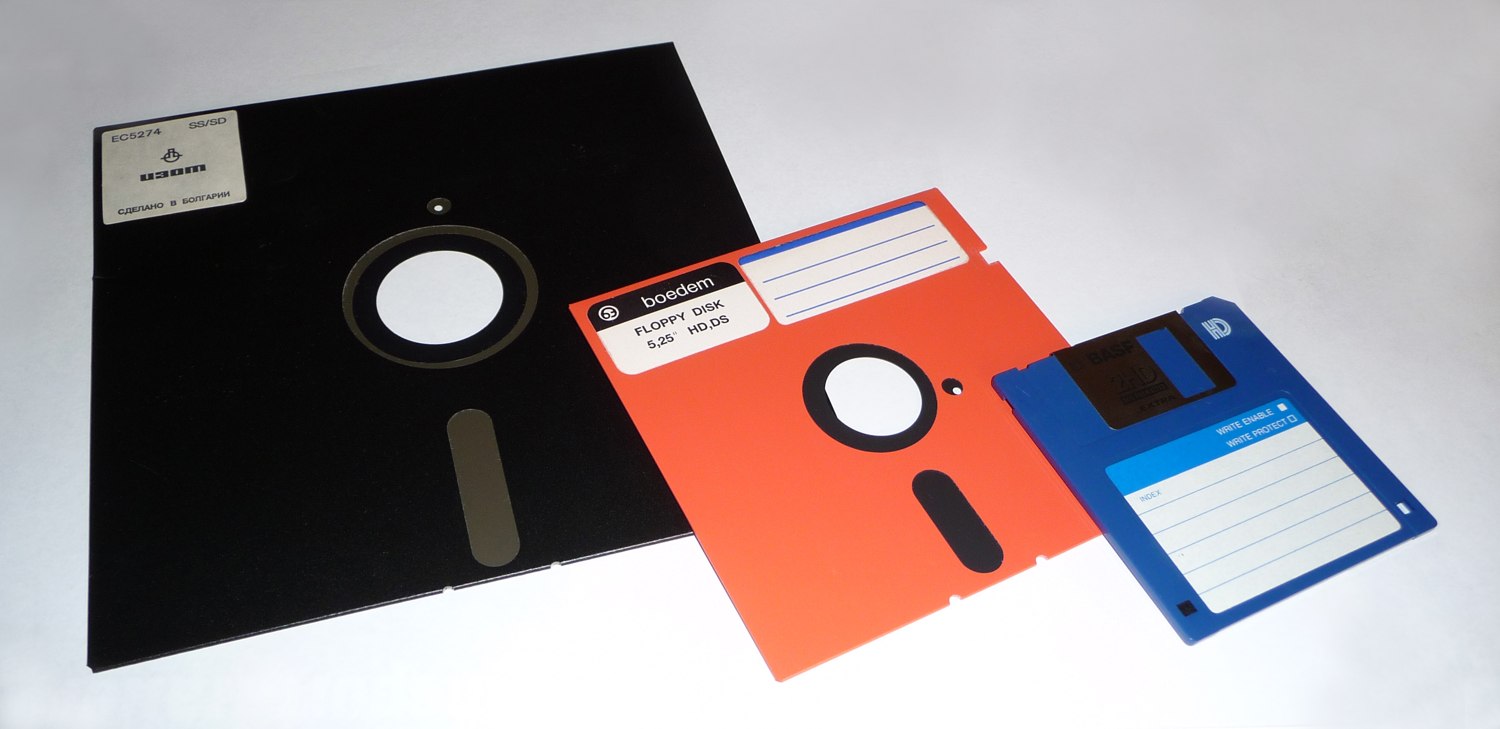
A floppy disk is an unlikely object to place at the center of a serial-murder investigation. Yet one sent by the killer who called himself BTK helped investigators move toward a name: Dennis Rader. The striking part is not that a computer solved a crime by itself. It is that a communication designed to sustain the offender’s control became something investigators could examine, connect, and test.
The familiar shorthand—he sent a disk and was caught—leaves out the renewed correspondence, the deliberate public response, and the work needed to turn an identifying clue into a case.
A silence ended in 2004
The FBI’s Serial Murder: Multi-Disciplinary Perspectives for Investigators describes a killer who first emerged in 1974 and killed ten people. His earlier communications helped construct the BTK identity. After a long break, contact resumed in 2004.
The Wichita Police Department formed a task force with the Kansas Bureau of Investigation, the FBI, and other agencies. The FBI’s behavioral-analysis contribution included a media strategy: written statements issued through the investigative lieutenant at selected points in the inquiry. The monograph records fifteen releases and eleven communications from the offender during the eleven-month investigation.
Those numbers matter because they make the breakthrough less like a lucky isolated delivery. Investigators were managing an ongoing exchange, with the public-facing investigation itself becoming part of the contact.
What the disk supplied
The FBI’s Kansas City field-office history describes information recovered from a deleted file on a disk sent by Rader. It contained the name Dennis and a reference to a Wichita church. Investigators developed additional information, arrested Rader, and obtained confessions. A subsequent home search produced material the FBI described as victim souvenirs and other incriminating evidence.
A name and a church reference are a lead, not a complete verdict. Their value lies in giving investigators a specific direction that can be compared against other information. The later search and admissions belong in the account because they explain why the famous digital clue should not be mistaken for the entirety of the evidence.
Digital evidence is still evidence
A 2014 FBI Law Enforcement Bulletin report used the BTK disk as an example of computer forensics contributing to a case outside the usual category of computer crime. It explains that electronic material may bear on a suspect’s location, intention, or relationships, and emphasizes the need for trained collection and analysis.
That is the useful lesson behind the obsolete hardware. Information about a document can matter alongside the text that a sender intended a reader to see. Its investigative meaning still depends on where it came from, how it was preserved, and what other evidence supports the interpretation.
This does not mean every old storage device contains a hidden confession, or that a filename reliably identifies the person who used a machine. It means electronic material can create a testable connection. The human investigative work starts again at that point.
Why the communication strategy belongs in the story
The FBI monograph reports that Rader later spoke positively about the press releases and his perceived relationship with the lieutenant issuing them. The document presents the case as an example of a proactive media strategy contributing to an arrest.
That is narrower than claiming that all serial offenders can be drawn into the same exchange. It describes what the investigators did in this case and what the offender’s responses allowed them to pursue. The approach was part of a particular investigation, not a universal script.
The outcome and the people behind the label
The FBI records multiple life sentences for Rader in 2005. That historical outcome should not be buried beneath the novelty of a floppy disk. Ten people were killed; the object is memorable because of the route it opened toward accountability, not because the crimes were a technical puzzle.
For readers exploring how major cases are built, BTK is a reminder to follow the entire chain: contact, clue, corroboration, search, admissions, and outcome. The most famous piece of evidence may be a doorway into the case rather than the case itself.
Source file
- FBI serial-murder monograph — media-strategy case vignette.
- FBI Kansas City history — disk lead, arrest, search, and sentences.
- FBI bulletin, October 7, 2014 — digital-evidence context.
Historical evidence analysis, checked November 4, 2026. Continue through Inside the Investigation or the serial-killer collection.
Image credit: George Chernilevsky / Wikimedia Commons source file. Public domain. Resized for display. The license applies to the photograph.
