The Doors Unbound and Dangerous release brings another set of concert recordings into the present listening queue October 23. Rhino’s official announcement says Robby Krieger, John Densmore and longtime engineer Bruce Botnick assembled the collection primarily from the band’s 1970 Roadhouse Blues tour. It is an archival live release with new mixes, not a newly recorded Doors performance.
The selection draws on shows in New York, Philadelphia, Pittsburgh and Detroit, with Soul Kitchen coming from a July 1969 Aquarius Theatre performance. Rhino lists CD, double vinyl, digital and a Blu-ray edition with Atmos and high-resolution stereo mixes. The configurations matter if you are buying a particular listening format; the name on the cover does not tell you which version your equipment can play.
Our take: the interesting question with an archival release is what the selection and presentation add. A different sequence can frame familiar performances differently; a new mix offers another way into recorded material. Neither automatically makes a record essential. The useful test is whether the listening experience earns its space, rather than whether a marketing paragraph successfully says legendary three times before breakfast.
For listeners who first encountered this music through older siblings, radio or a borrowed cassette, a live collection can open a route beyond the standard hits. That is a possibility, not a review verdict. We have verified the release details and source of the performances; we are not pretending that reading a track listing is the same as hearing the full record.
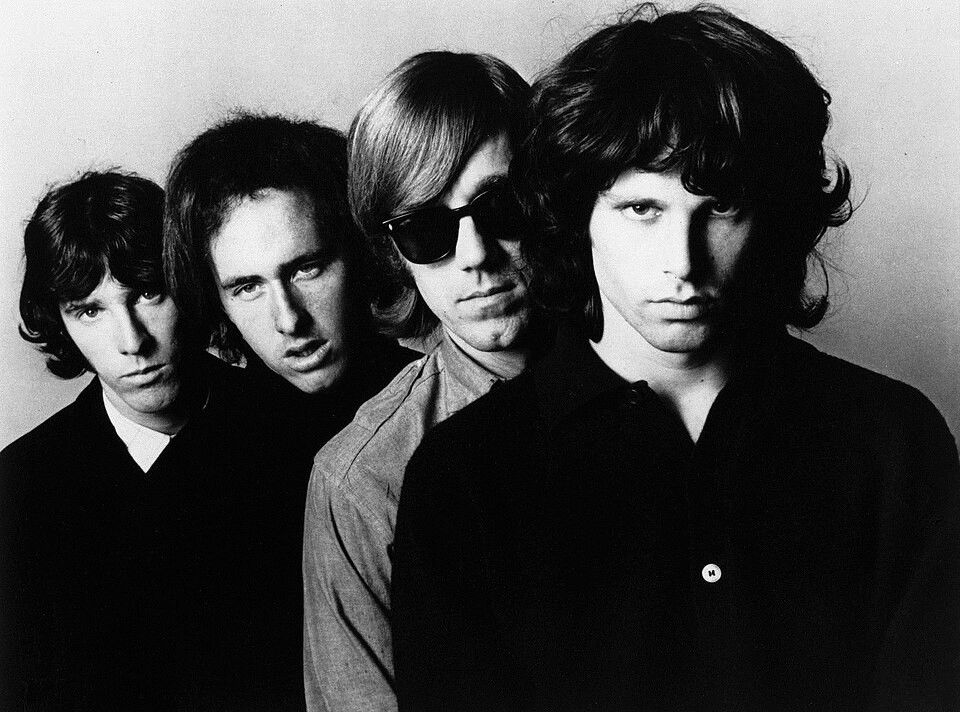
There is also no reason to confuse historical energy with a current event onstage. The current event is the release. The performances belong to their documented period, and the featured photograph belongs to an earlier publicity session. Keeping those dates attached lets the archive do something better than impersonate breaking concert news: it gives old material an accurately described new context.
The credited real image shows the band in 1966 and is public domain in the United States under the source record’s publication history. Use the official release links to compare editions or hear the music through licensed services. The archive has opened another door, as the headline writers are contractually required to say. Whether you stay for the entire set is a decision the speakers can help you make.
Sources and photograph
Rhino, official announcement and release configurations. Rhino, October 23 release record.
Archival November 1966 publicity photograph by Joel Brodsky, distributed by Elektra; not a photograph of the 1970 recordings or a new band session. Photo: Joel Brodsky; distributed by Elektra Records; Public domain in the United States (published without copyright notice). Display copy resized. Where applicable, the resized photograph retains the stated ShareAlike license. Original photograph and rights record. Image-use terms.

More from this Daily Junk Food section.
Facts first. Side-eye included.
DJF separates what is confirmed from what is claimed—and tells you why this particular mess is worth your time.

Dana Side-Eye
Receipts, Rumors & Internet NonsenseDana reads the fine print, checks the timeline, and keeps one eyebrow permanently raised. She covers viral claims, internet pile-ons, and suspiciously convenient explanations.
“Screenshots are forever. So is the side-eye.”