
Epstein Files · Dated court record · September 23–24, 2026
A federal judge in Florida let plaintiffs seek a limited set of records in a civil lawsuit over the FBI’s handling of reports about Jeffrey Epstein. The nine-page order in Doe v. United States, signed September 23 and entered September 24, is a useful record of how the suit moved past a request for immediate dismissal. It is not a finding that the FBI was negligent.
The plaintiffs, who proceed under pseudonyms, allege that federal authorities failed to follow required procedures when handling reports about Epstein. They seek damages from the United States under the Federal Tort Claims Act. The government argued that the case should be dismissed, including because the law generally bars claims based on discretionary government decisions. Plaintiffs contend that relevant policies required particular steps, leaving no discretion about whether to take those steps.
Why the court wanted to see the policies
District Judge David S. Leibowitz adopted Magistrate Judge Ryon M. McCabe’s recommendation. The order allows discovery into the policies and procedures that plaintiffs say were mandatory. Their wording may matter: a rule that requires a specific action and a policy that leaves room for official judgment can lead to different answers about whether the court can hear the claim. The order also allows discovery on a narrow dispute about the amounts specified in certain administrative claims.
Leibowitz denied the pending dismissal motion while allowing the United States to renew its jurisdictional arguments after the limited discovery. That is why the court’s action can be important without resolving the underlying allegations. It gives the parties a way to develop a record for the next ruling.
How to cite the order accurately
Use docket entry 135 for what the judge authorized. Use the complaint for allegations, and keep the government’s objections distinct from the judge’s analysis. The order does not establish that the underlying reports were handled negligently, award damages or require public release of all FBI files. This guide covers the September order; it does not claim a later ruling or describe private materials exchanged by the parties.
For other proceedings and primary records, see the Epstein Files document index and the full collection.
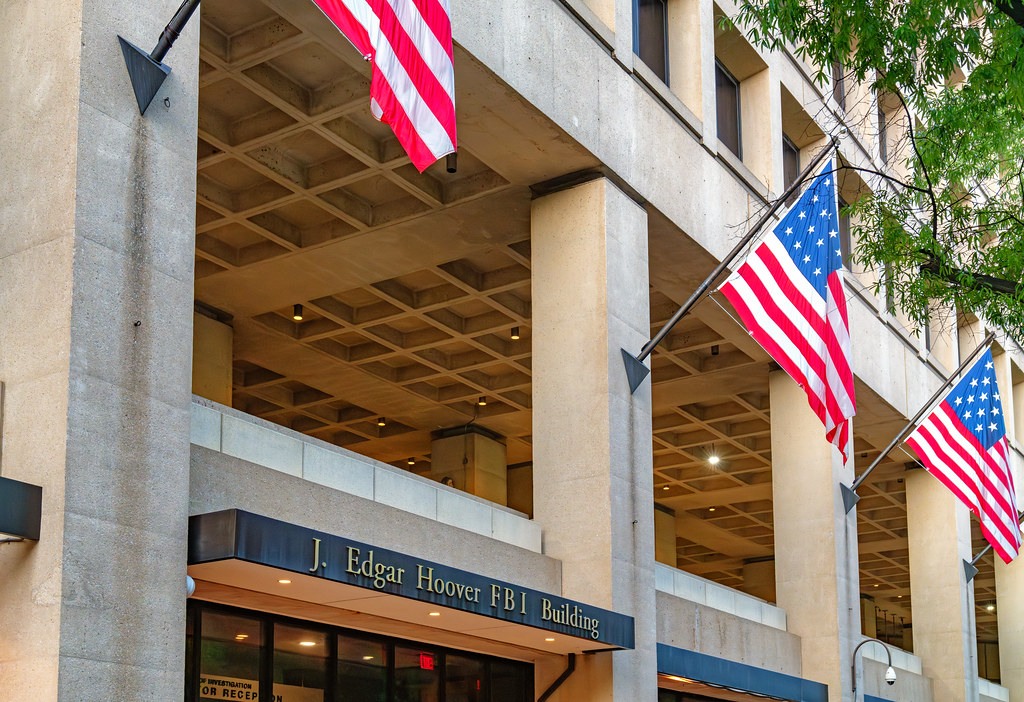
File photograph: J. Edgar Hoover FBI Building, Washington, D.C., May 31, 2024. Photo: Tony Webster, CC BY 2.0. It does not depict the Florida proceedings. Original photograph · License. Re-encoded for display.