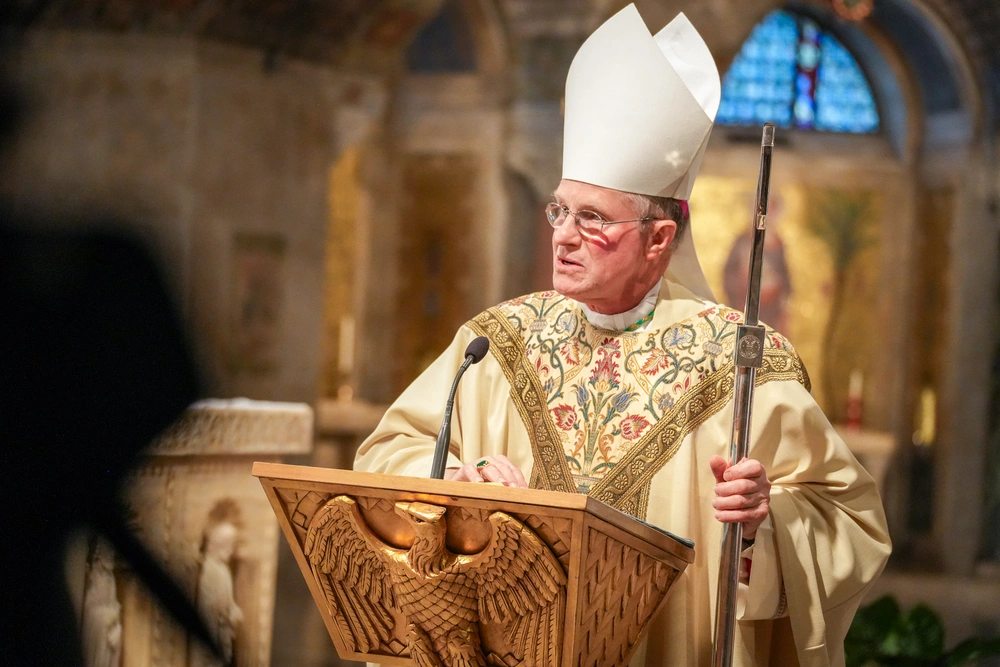
Faith communities marked the 25th anniversary of September 11 with memorial services, Masses and reflections focused on the victims, the rescuers and the moral cost of allowing grief to harden into hatred. A quarter century later, prayer remains both remembrance and argument: remember the lives, resist the easy enemy, choose peace without pretending evil is imaginary.
Names before slogans
Anniversary observances can become polished civic rituals, but faith leaders emphasized human lives rather than political branding. Families still carry empty chairs. Survivors and first responders still live with physical and emotional consequences. Children born after the attacks now have children of their own.
OSV News reported on bishops offering memorial liturgies and reflections around the country. Their messages included gratitude for courage, mourning for those killed and a renewed rejection of violence.
Faith after catastrophe
Religion occupied several roles after 9/11. It comforted frightened communities and inspired service, but religious identity was also exploited to justify suspicion and retaliation. Muslim Americans faced harassment while houses of worship worked across faith lines to protect neighbors and reject collective blame.
Gen X remembers the flags, candlelight vigils and packed sanctuaries, followed by years of war footage scrolling beneath cable-news arguments. The anniversary asks whether we learned anything beyond how to remove our shoes at the airport.
Prayer alone cannot repair public policy, heal respiratory disease or settle conflicts. But it can create a space where people are more than symbols. The most credible anniversary message is not “never forget” as a bumper sticker. It is refusing to forget the dignity of strangers—including those whose language, nationality or religion makes them easy targets when fear is loud.
Facts first. Side-eye included.
DJF separates what is confirmed from what is claimed—and tells you why this particular mess is worth your time.