Catholic leaders in France gathered in Marseille on October 20 to discuss how the Church can respond to a society marked by political tension, mistrust and a search for meaning. The meeting brought the language of mission into a country wrestling with unrest and fragmentation. It is an ambitious subject for an assembly, but at least “meaning” has more nutritional value than another committee devoted to optimizing the parish logo.
Vatican News framed the gathering around the role of faith communities in restoring a sense of purpose and social connection. The discussion belongs to the Church’s interpretation of its mission; it is not a scientific finding that one institution has solved France’s political crisis. Religious reporting works best when it states what believers are trying to do without turning aspiration into a completed result.
Marseille is a fitting setting because it is religiously and culturally diverse, with daily experience of migration, inequality and coexistence. Church leaders are confronting a public environment in which grand statements are easy and sustained local presence is harder. The measure of the gathering will be what congregations and institutions do after everybody folds the name cards and goes home.
Our take: “restore a sense of meaning” can sound foggy enough to float above the Mediterranean. It becomes concrete when it means listening, feeding people, maintaining relationships across difference and refusing to turn every disagreement into a demolition derby. Faith traditions have resources for that work. They also have the same human talent for substituting a conference summary for action.
The gathering comes amid recent demonstrations and political anger in France. That context makes the Church’s emphasis on peace and social cohesion timely, but it does not give religious leaders ownership of citizens’ grievances. The credible role is accompaniment and service, not pretending that one homily can repair wages, housing, trust and democratic frustration before lunch.
There is also a useful distinction between evangelization and political branding. A church can articulate its beliefs while recognizing that public life includes people of many faiths and none. Restoring meaning cannot mean demanding uniformity. If the effort is serious, it will create room for conscience rather than another loyalty test with stained glass.
The October 20 event is a beginning and a statement of intent. The story to watch is whether the language produces durable local practices after the headlines move on. Meaning rarely arrives through a press release. It tends to show up in repeated acts of presence, which is less cinematic but considerably more believable.
Sources and photograph
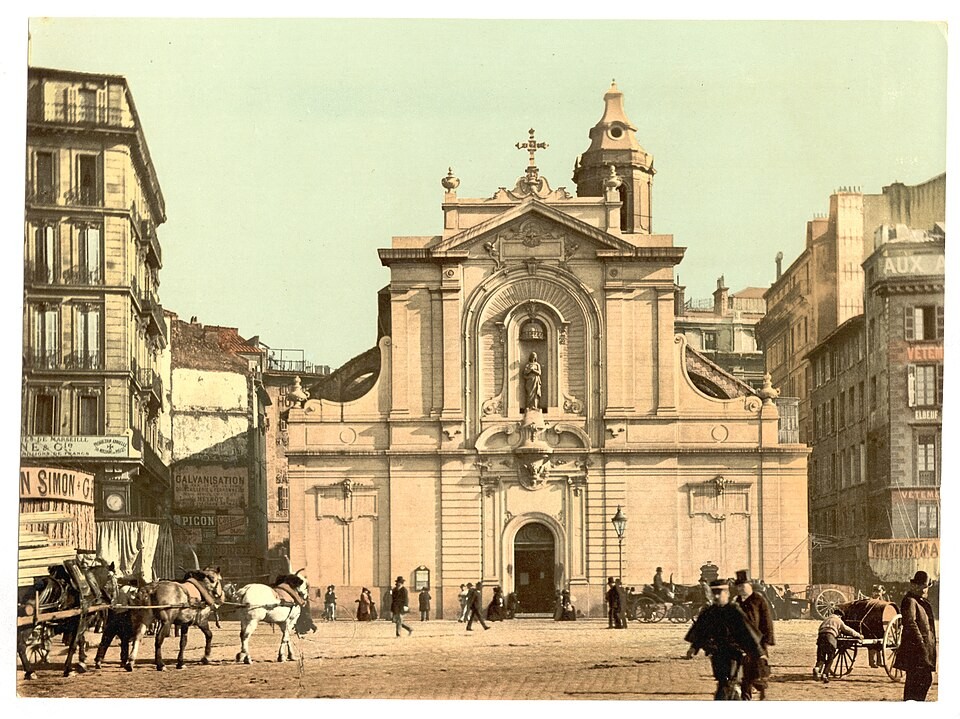
Representative archival photograph of a Marseille church; not the October 2026 assembly or its participants. Photo: Library of Congress, Photochrom Print Collection; Public domain. Display copy resized. Where applicable, the resized photograph retains the stated ShareAlike license. Original photograph and rights record. Image-use terms.


More from this Daily Junk Food section.
Facts first. Side-eye included.
DJF separates what is confirmed from what is claimed—and tells you why this particular mess is worth your time.

Dana Side-Eye
Receipts, Rumors & Internet NonsenseDana reads the fine print, checks the timeline, and keeps one eyebrow permanently raised. She covers viral claims, internet pile-ons, and suspiciously convenient explanations.
“Screenshots are forever. So is the side-eye.”