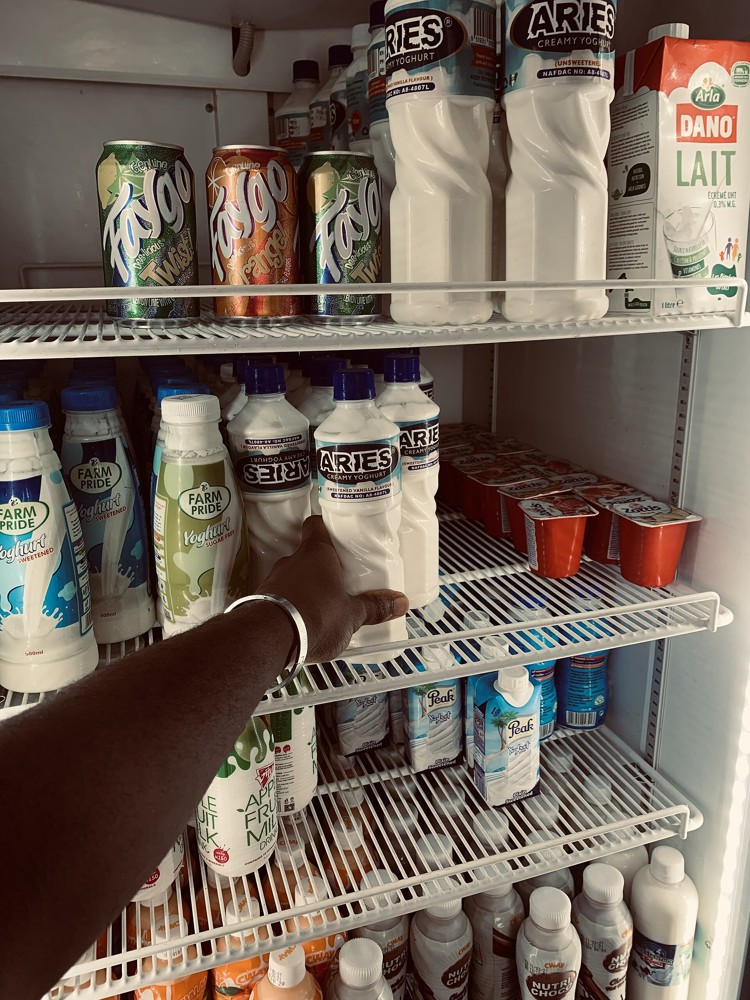
The French supermarket fridge cyberattack is a reminder that connecting equipment to the internet can move a digital failure directly into the dairy aisle. Authorities are investigating compromised refrigeration controllers after attackers changed temperature settings and stores discarded spoiled goods. AP reported October 14 that France’s cybersecurity authority warned the attacks might still be underway.
CERT-FR’s alert identifies affected controller families from Danfoss, Copeland and Dixell. Its defensive guidance includes removing exposed management interfaces from the public internet, checking configurations, applying manufacturer recommendations and restoring remote access through protected networks. This is an official warning about specific equipment, not proof that every connected refrigerator is compromised.
Euronews reports that no group had publicly claimed responsibility and that investigators had not identified the perpetrators. It also describes outdated or end-of-life systems among the concerns. That makes attribution claims premature: an exposed interface and a disruptive result do not by themselves tell us whether an attacker is a state, a criminal organization, or someone seeking attention.
The distinction between an appliance and its control system matters. Commercial refrigeration can involve remote monitoring and management across multiple units. Useful connectivity can also create a route for unauthorized changes when protections are inadequate. The refrigerator is still performing a physical job; the consequences of losing control are measured in food temperatures and spoiled stock rather than just a frozen screen.
Analysis: this is a strange story because the object seems so mundane. We have spent decades imagining hackers stealing secrets from dramatic control rooms. Meanwhile, an ordinary supermarket depends on software that helps keep lunch from becoming a disposal problem. The future arrived wearing a headset and asking whether anyone had updated the yogurt.
Reports also describe a separate Dutch supermarket cybersecurity incident. Dutch authorities said they saw no reason at that point to link the events. Shared timing is not sufficient evidence of a coordinated campaign. Treating every disruption as one global operation may produce a satisfying map graphic, but it can obscure the separate facts investigators need to establish.
The practical institutional questions are straightforward: which systems were exposed, who maintained them, what alerts were available, and how safely service can be restored. Food safety decisions should follow qualified procedures rather than a store’s hope that cooling the unit again makes every product acceptable. The investigation remains open. For now, the real lesson is that essential infrastructure includes equipment we once considered too boring to threaten.
Sources and photograph
CERT-FR, alert updated October 13, 2026. AP, John Leicester and Mike Corder, October 14, 2026. Euronews, October 14, 2026.
Representative supermarket-refrigeration photograph; not a French store or equipment confirmed affected by the attack. Photo: Edriiic; CC BY-SA 4.0. Display copy resized. Original photograph and rights record. Image-use terms.

More from this Daily Junk Food section.
Facts first. Side-eye included.
DJF separates what is confirmed from what is claimed—and tells you why this particular mess is worth your time.

Wade Crowley
Strange News & Small-Town WeirdWade collects stories that begin with “You are not going to believe what happened at the Walmart.” He covers odd crime, local legends, UFOs, and reality losing the plot.
“Somewhere, a police report is already getting weirder.”