The Gboko Catholic institution closures affect much more than Sunday worship. Reporting published October 14 describes the suspension of diocesan activities in Ihugh, in Nigeria’s Benue State, following repeated attacks and threats. The affected services include schools, St. Thomas Hospital and St. Winifred Parish. Staff are being withdrawn rather than asked to continue working under conditions the diocese considers unsafe.
EWTN reports that the October 12 decree takes effect immediately and leaves reopening dependent on credible safety conditions and a further diocesan decision. PUNCH lists St. Winifred Girls Secondary School, St. Winifred Nursery and Primary School, the hospital and the parish. Descriptions of school levels vary in headlines, so it is more useful to identify the institutions than to inflate a neat facility count.
The diocesan account cites repeated destruction of school hostels, burglaries and incidents affecting church facilities. These are the reasons given by the church for its decision. They do not authorize an unsupported claim about a particular armed group or a collective accusation against an entire local population. Responsibility for specific incidents requires evidence, investigation and identification.
Both reports describe efforts to help students continue at other Catholic schools and refer patients to other facilities. EWTN also reports that diocesan personnel need written authorization before resuming duties in Ihugh. The closure is intended to be temporary, but no firm reopening date is supplied. That is an important difference from a routine holiday or a short maintenance shutdown.
Analysis: faith-based institutions can be part of a community’s everyday infrastructure as well as its religious life. When a hospital or school closes, the consequences travel into appointments, transport, childcare, wages and access to education. The loss cannot be measured only by whether a building remains standing or whether a service can be moved to another calendar slot.
A promise of eventual reopening also needs practical content. Staff must be able to travel and work safely; students and patients need dependable arrangements; damaged property and repeated threats require more than a reassuring speech. Those are governance and security responsibilities, even when religious organizations are the ones making the emergency decision. Prayer and a workable protection plan do different jobs.
The immediate story is the withdrawal of services and personnel, with transfers planned for people affected. Future coverage should follow those arrangements, the authorities’ response and any formal reopening decision. The human cost deserves careful attention. A community does not become safer merely because the people providing essential services have finally reached the limit of what they can risk.
Sources and photograph
EWTN News / ACI Africa, Silas Isenjia, October 14, 2026. PUNCH, John Charles, October 14, 2026.
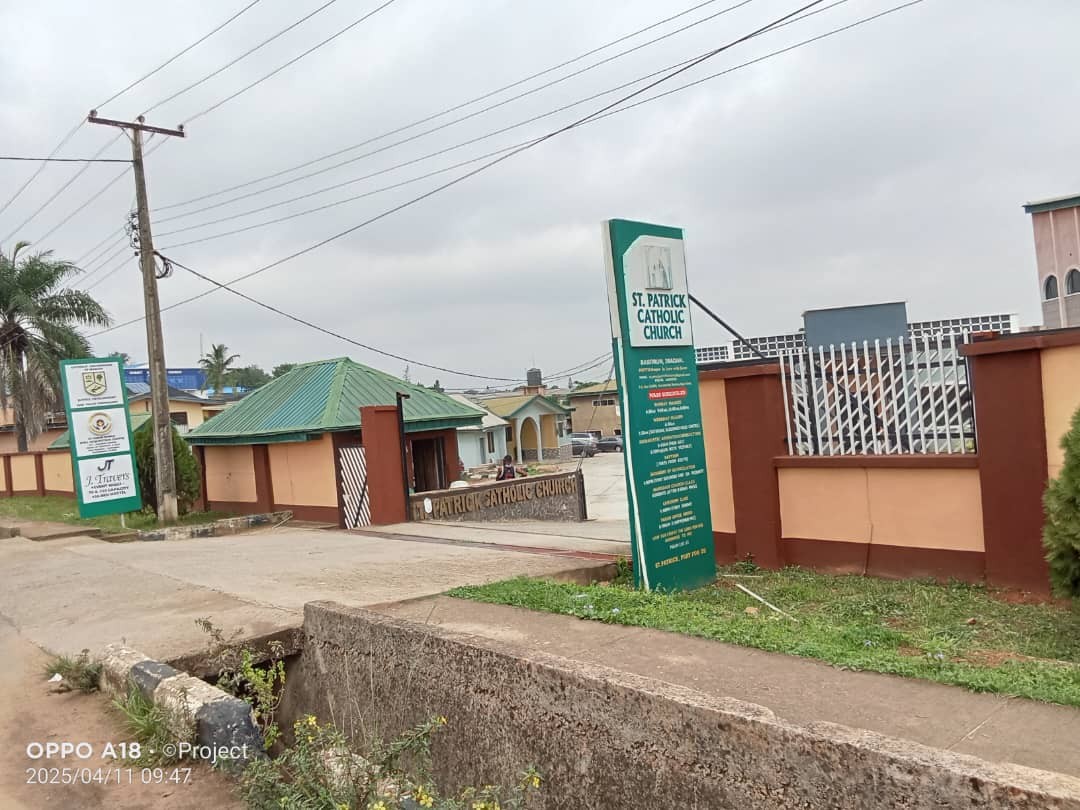
Representative photograph of a Catholic church in Ibadan; not the affected parish, schools, or hospital in Ihugh. Photo: Ourlibrary; CC0. Display copy resized. Original photograph and rights record. Image-use terms.

More from this Daily Junk Food section.
Facts first. Side-eye included.
DJF separates what is confirmed from what is claimed—and tells you why this particular mess is worth your time.

Dana Side-Eye
Receipts, Rumors & Internet NonsenseDana reads the fine print, checks the timeline, and keeps one eyebrow permanently raised. She covers viral claims, internet pile-ons, and suspiciously convenient explanations.
“Screenshots are forever. So is the side-eye.”