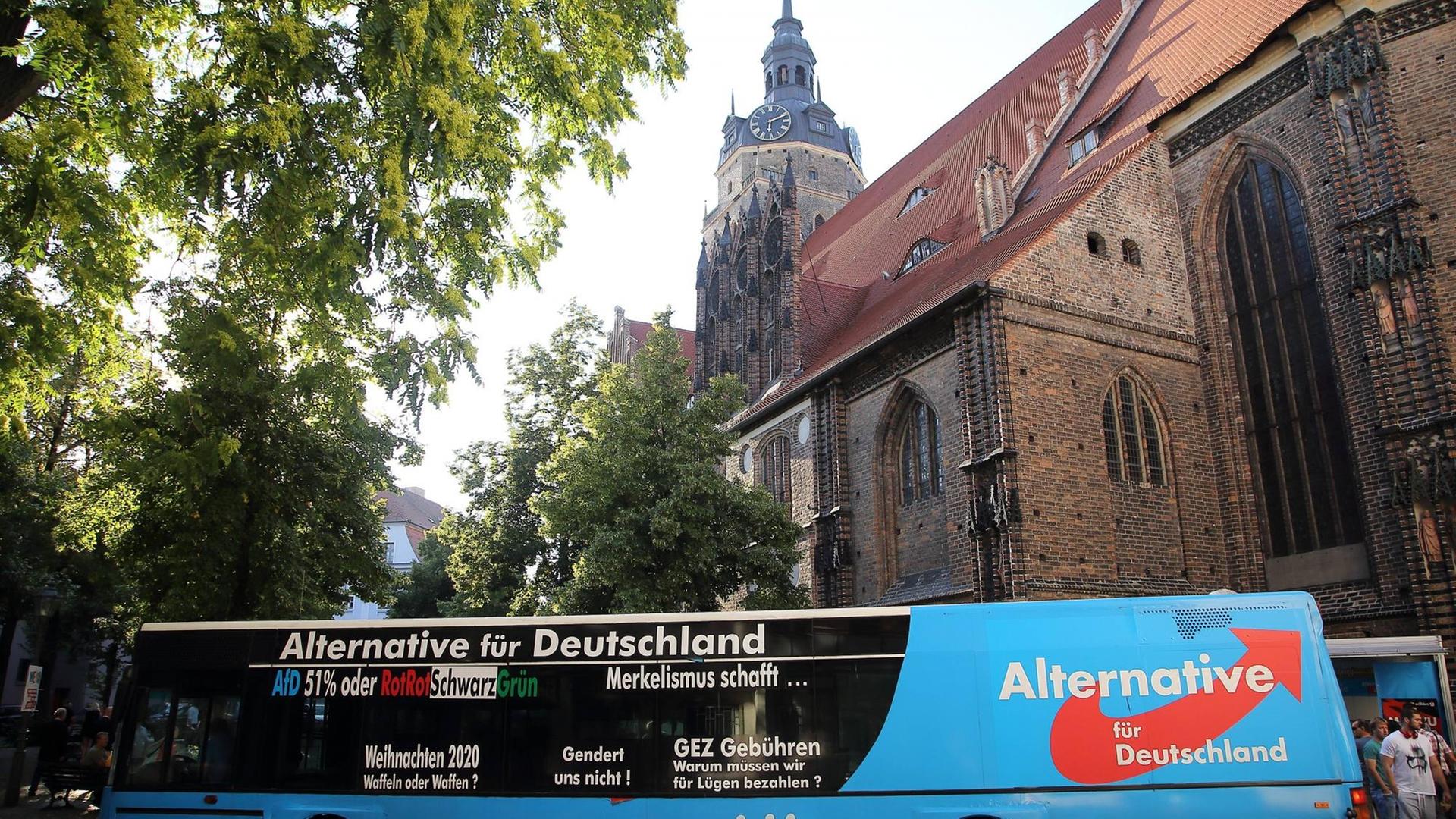
Church leaders in the German state of Saxony-Anhalt are stepping directly into a political fight as the far-right Alternative for Germany party tries to convert electoral strength into control of a state government.
Religion News Service reported that Christian leaders, congregations and activists have been organizing against the AfD, warning that its rise threatens refugees and the democratic institutions churches once helped defend in East Germany.
Why churches are in the middle
Germany’s major Protestant and Catholic institutions have repeatedly clashed with the AfD over nationalism, migration and the party’s use of Christian identity. The argument is not simply whether clergy should discuss politics. It is whether a party can claim to defend Christian civilization while promoting policies church leaders say violate Christian obligations toward human dignity and the stranger.
Saxony-Anhalt gives the fight historical weight. Protestant churches provided meeting space and moral cover for parts of the peaceful opposition that challenged East Germany’s communist government in 1989. Today’s organizers are deliberately invoking that memory, though the circumstances are different.
Faith or partisan politics?
Critics of church involvement say religious institutions risk alienating conservative members and behaving like political parties. Church leaders counter that neutrality is not morally empty when democratic norms or vulnerable communities are at stake.
That tension exists far beyond Germany. Religious institutions everywhere make selective decisions about when an issue becomes a moral emergency rather than ordinary policy. The choices are rarely tidy. Preaching only values without consequences can become decoration; endorsing parties can turn the pulpit into another campaign stop.
The AfD has worked to present itself as a guardian of tradition against secular liberal culture. Yet many church leaders see that branding as a costume that borrows Christian symbols while discarding Christian social teaching. The disagreement is now playing out in sermons, public statements and civic organizing.
The old advice against discussing religion and politics at dinner has failed spectacularly. In Saxony-Anhalt, they are already at the same table, arguing over who gets to define the soul of the country.
Facts first. Side-eye included.
DJF separates what is confirmed from what is claimed—and tells you why this particular mess is worth your time.