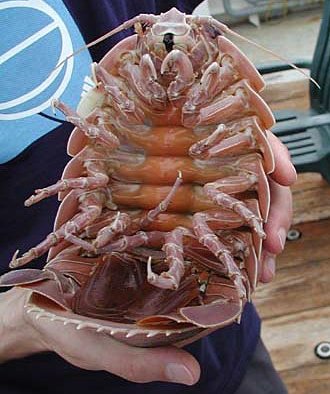
A 12.7-inch giant isopod collected near Puerto Rico in the 1980s has been identified as a previously unknown species after spending decades in a German museum collection. The deep sea has once again submitted its paperwork forty years late and still expects us to be impressed.
Giant isopods belong to the genus Bathynomus, oversized relatives of the pill bugs that roll up beneath garden stones. They live in deep water, where food can be scarce and evolution apparently decided that an armored cafeteria tray with legs was a reasonable body plan.
The specimen’s reclassification shows why museum collections are active scientific resources rather than warehouses for things that frightened a Victorian. New imaging, genetic tools and revised comparisons can reveal that an old specimen was misidentified or that it preserves traits no one recognized when it arrived.
Researchers say the find may help explain how giant isopods evolved and spread through the world’s oceans. Differences in body proportions and anatomy can be subtle, which is why declaring a new species requires detailed comparison rather than one enthusiastic person saying, “That bug is absolutely enormous.”
The representative photograph accompanying this story shows Bathynomus giganteus, not the newly identified specimen. That distinction is less exciting than pretending every crustacean is the star witness, but accuracy is the difference between an article and somebody’s uncle posting from the bait shop.
What is verified
This report separates documented facts from commentary and speculation. Source links are listed below for readers who want the original reporting.
Sources

Facts first. Side-eye included.
DJF separates what is confirmed from what is claimed—and tells you why this particular mess is worth your time.