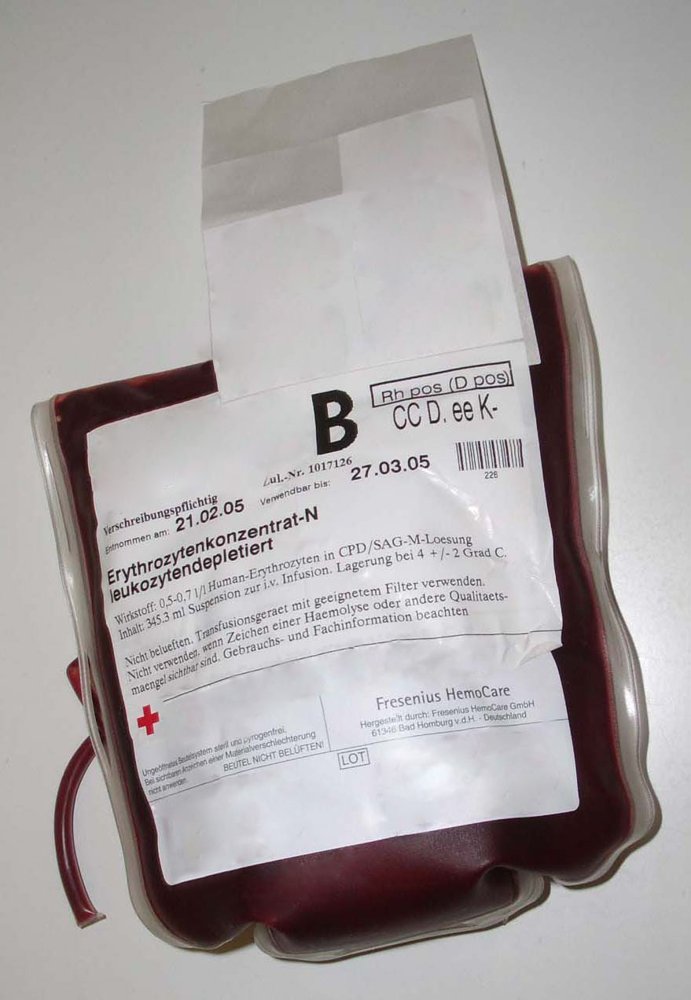
Jehovah’s Witnesses have revised their medical policy to allow members to make personal, prayerful decisions about several blood-derived products. The faith’s prohibition on receiving whole blood remains, leaving a complicated line between religious obedience, individual conscience and modern medicine.
Members may now choose whether to accept plasma, platelets, red blood cells and white blood cells during medical or surgical treatment. They may also decide whether to donate blood so it can be processed into products for other patients.
The policy has been changing in careful steps
Earlier in 2026, the Governing Body permitted members to store their own blood for later medical use. The latest announcement expands personal choice while preserving the central ban on whole-blood transfusions.
Jehovah’s Witnesses base the teaching on biblical passages directing believers to abstain from blood. The organization extends that instruction to medical transfusions, a position that distinguishes it from most Christian denominations.
Critics say the remaining restriction still carries life-and-death consequences
Former members and medical critics have long argued that the ban has contributed to preventable deaths. Supporters view compliance as an essential act of faith and point to bloodless medical techniques that have developed partly in response to Witness patients.
The Associated Press reported the policy revision on September 19, 2026. The organization reported about 1.3 million U.S. members and 9.2 million worldwide in 2025.
Religious liberty includes the right to make difficult medical choices. The ethical pressure increases when doctrine, family expectations and institutional authority shape what counts as a “personal” decision. More options are meaningful. Whether members can use them without fear or stigma will matter just as much as the wording of the announcement.
Facts first. Side-eye included.
DJF separates what is confirmed from what is claimed—and tells you why this particular mess is worth your time.