November 2, 2026 remembrance. His agency announced the death Sunday; the reporting places the death over the weekend. No cause is asserted here. Juan Atkins, the Detroit electronic-music pioneer associated with Cybotron, Model 500 and techno's emergence, has died at 64. NBC News reports that booking agency Greensmith Artists confirmed his death. His work helped turn a local musical future into a worldwide language.
The announcement is the dated news development. This article does not call the death a new Monday event merely because Monday's tributes and reports are circulating. It also does not infer a cause from recollections about his health or a canceled performance.
Detroit was imagining the future in sound
Michigan Public's remembrance places Atkins alongside Derrick May and Kevin Saunderson, the Belleville Three, in techno's foundations. His recording identities included Cybotron and Model 500. Synthesizers, electronic percussion and an interest in technological change were central to the world he helped create.
That history deserves more than filing him under a generic dance-music label. The point was not simply that machines could keep a beat. They could become instruments for imagining a society changing around the people making the music. Michigan Public revisits Atkins' own earlier interview about music made through electronic instruments, computers and sequencers.
A beginning with more than one name
Atkins' legacy is connected to collaborators and a city, not a lone-genius story pasted over everyone else. AFP reporting carried by Channels Television recounts his Cybotron partnership with Richard Davis and the importance of the 1983 record “Clear.” It also reports his agency's confirmation to Resident Advisor and tributes from fellow artists.
The titles and aliases matter because they give listeners a route into the work. Cybotron and Model 500 are not interchangeable labels for one nostalgic mood. They are entry points into a catalog that helped define electronic music's possibilities. A useful remembrance sends readers toward the records rather than toward speculation about someone's final hours.
DJF analysis: the future used to arrive without a product launch
For Gen X listeners, electronic futurism was not only a movie aesthetic or a synthesizer effect behind the chorus. It could be a whole way of organizing a record: rhythm, repetition, space and sounds that seemed to belong to a world still being assembled. Atkins helped make that world audible.
There is an irony in remembering a musical pioneer through a feed that compresses a life into a trending name. The best response is to slow the scroll long enough to listen. Not every important contribution arrives wearing a stadium-pop crown, and not every global influence begins in a place the industry has decided to watch.
DJF's Gen X Files covers the people and work behind the cultural memory. Here the lasting story is the music, the collaborators and Detroit's place in it. No invented final quote is required.
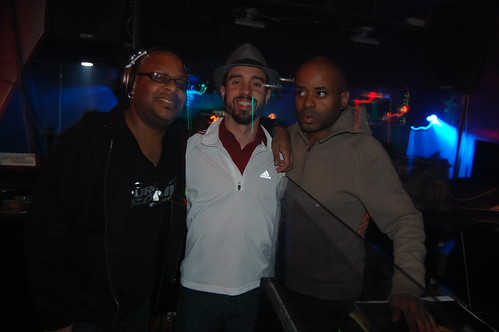
File-photo source: Angie Linder, Hel10, via Wikimedia Commons; CC BY-SA 2.0. The same license applies to the displayed photograph.

Editorial note: This article draws on the linked sources and may include clearly labeled opinion or unconfirmed reports. We have not independently verified every source claim. Publication does not establish an unconfirmed claim as fact; developing details may change.
Facts first. Side-eye included.
DJF separates what is confirmed from what is claimed—and tells you why this particular mess is worth your time.