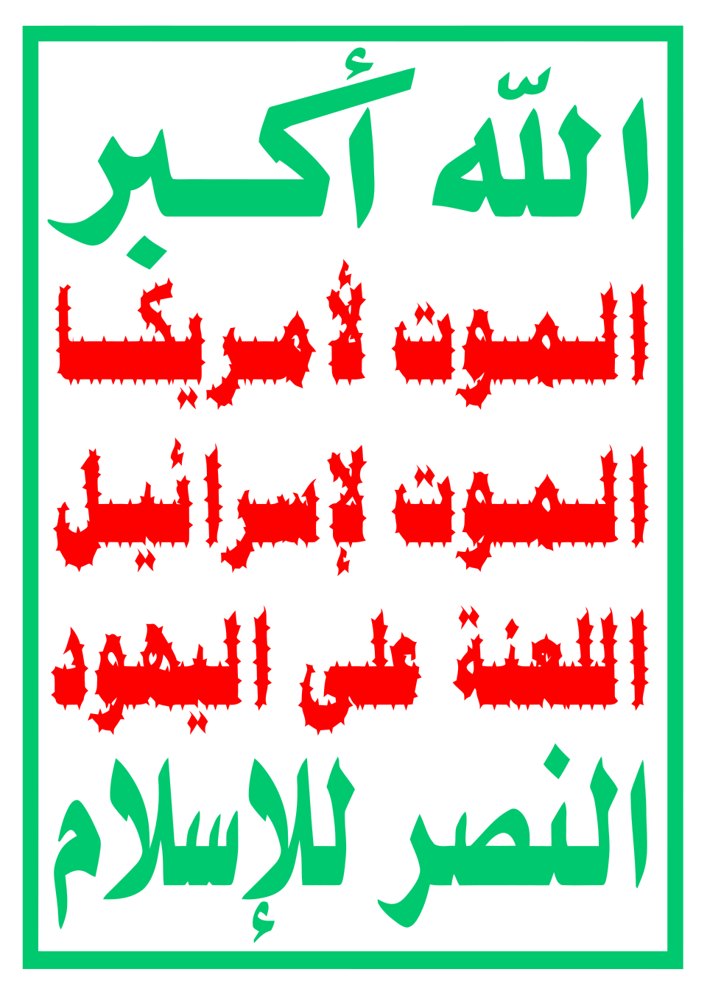
Pakistan says members of the Mecca Defence Pact will hold emergency talks in Riyadh next week about Iran’s suggestion that they engage Yemen’s Houthis politically. After years of missiles, drones and maritime panic, somebody has located the diplomacy folder behind the emergency ammunition.
The pact brings together Saudi Arabia, Turkey and Pakistan under an agreement signed in August declaring an attack on one member an attack on all. Military chiefs recently condemned Houthi attacks, while Iran has publicly signaled interest in reducing regional escalation.
The proposal is not yet a peace offer
Pakistani Foreign Minister Ishaq Dar described Iran’s idea as a goodwill suggestion rather than a negotiated plan. The member states must still decide whether engagement is possible, who would participate and what concrete commitments would be demanded.
The Houthis control much of Yemen and have repeatedly attacked shipping and regional targets. Their actions have disrupted trade routes and intensified the risk of a broader confrontation.
A pact named for a holy city faces a worldly test
Faith, regional power and national security overlap throughout the alliance. Invoking shared defense is easy at a signing ceremony; deciding when military solidarity should give way to negotiation is considerably less photogenic.
Reuters reported Pakistan’s announcement on October 2, 2026.
No agreement has been reached, and the Houthis have not suddenly become a book club. Still, an emergency meeting about talking is marginally better than another emergency meeting after something explodes.
Facts first. Side-eye included.
DJF separates what is confirmed from what is claimed—and tells you why this particular mess is worth your time.