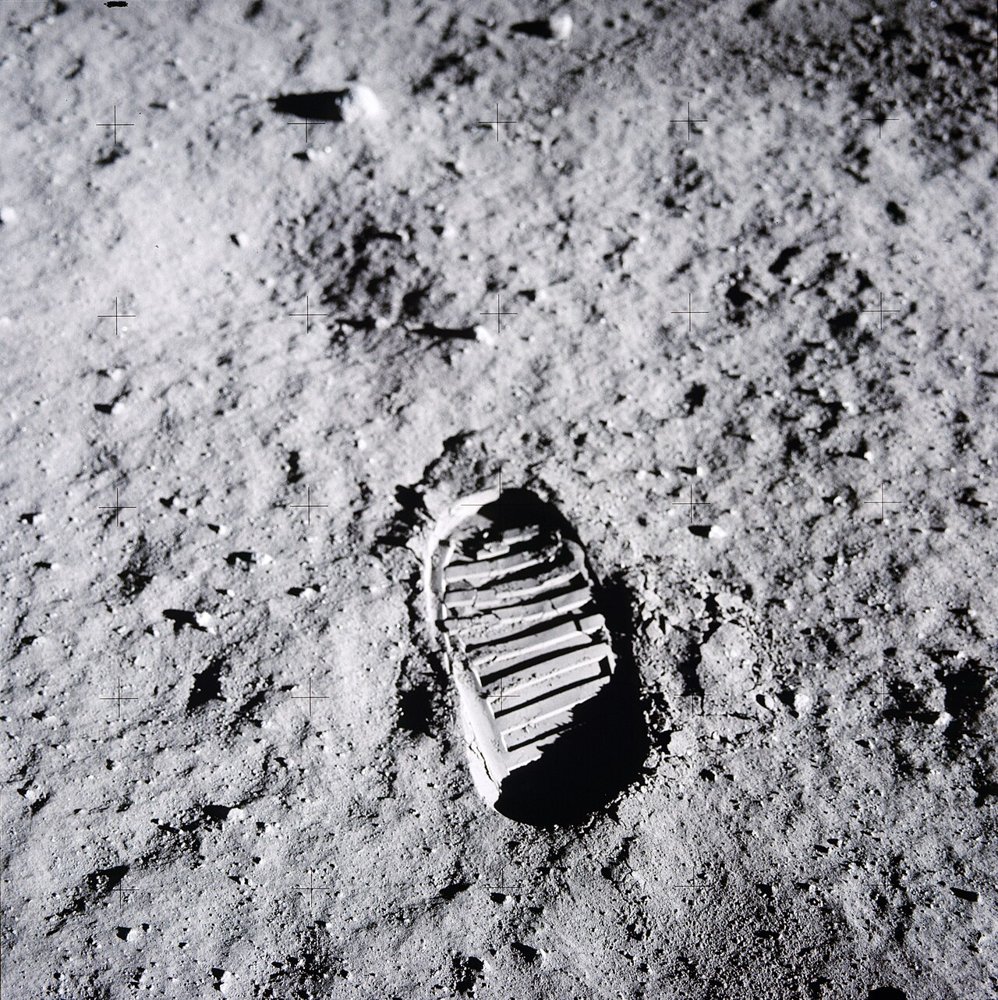
Researchers have proposed searching moon dust for microscopic traces of alien technology. Before anybody starts pricing lunar USB adapters, the paper reports no extraterrestrial artifacts. It proposes a way to look.
The idea is that the Moon has collected material from space for billions of years while lacking Earth’s weather, oceans and active geology. Durable engineered particles traveling through interstellar space might, in principle, become preserved in lunar regolith.
This is a hypothesis, not a discovery
The work is undergoing peer review and has not found alien technology. It asks whether advanced microscopy, materials analysis and AI-assisted imaging could distinguish an artificial particle from ordinary cosmic and lunar debris.
The researchers suggest beginning with roughly one cubic meter of lunar material returned by future missions. Samples from NASA’s Artemis program or China’s Chang’e missions could provide opportunities without launching a separate alien-dust expedition.
A null result would still teach us something
Finding nothing would place limits on how much durable technological debris may exist and improve knowledge of interstellar dust, impact processes and lunar geology. A credible search must define what would count as evidence before inspecting the sample.
The Moon may be an ancient archive. Whether it contains cosmic engineering or merely four billion years of very committed dirt remains a question for instruments, not memes.
Facts first. Side-eye included.
DJF separates what is confirmed from what is claimed—and tells you why this particular mess is worth your time.

Wade Crowley
Strange News & Small-Town WeirdWade collects stories that begin with “You are not going to believe what happened at the Walmart.” He covers odd crime, local legends, UFOs, and reality losing the plot.
“Somewhere, a police report is already getting weirder.”