The Musk election giveaway settlements are proposed agreements, not a published verdict declaring who was right. Reuters reported October 15 that Elon Musk and America PAC told a federal judge in Austin they had reached settlements in two proposed class actions over the 2024 election promotion. Court approval remained necessary. The campaign spectacle has reached the paperwork stage, where giant checks are replaced by substantially smaller font.
The plaintiffs alleged that a promised lottery-style daily $1 million giveaway misled people in seven swing states into signing a petition supporting the Constitution. Musk and America PAC denied the allegations. The filings reported by Reuters did not disclose settlement terms. That leaves an important boundary around this update: no verified payout amount, admission or complete settlement arrangement can be extracted from that announcement.
UPI carried fresh coverage October 16. Readers encountering the story then should distinguish that publication date from the Thursday settlement filings. The new development is the parties’ reported agreement to resolve the cases, subject to judicial approval—not a newly established finding that every participant was defrauded. Allegations remain allegations unless the record establishes more.
Analysis: resolving litigation and proving a claim are different events. A settlement may matter greatly to the people involved without giving outside observers a complete factual account. It is tempting to turn an agreement into an admission or an exoneration, depending on which team jersey is currently draped over the keyboard. Neither conclusion follows automatically.
The undisclosed terms also limit what can responsibly be said about the practical result. An announcement that litigation may end does not establish what any person will receive, what obligations will continue or how the court will assess the agreement. Those are questions for the documents and subsequent orders. The absence of public details is not an invitation to supply decorative guesses.
The political context makes careful wording more useful, not less. A promotion connected with an election can attract enormous attention before its mechanics are fully understood. Later legal coverage should explain what was promised, what is disputed and what stage the cases have reached. Saying “fraud lawsuit” identifies a type of allegation; it does not convert the headline into a judicial finding.
The next meaningful update will be disclosure of terms, an approval decision or another actual filing. For now, two proposed class actions have a proposed route toward resolution, with important details still outside the public account checked here. We can report that without inventing a victory speech. There have already been enough presentations involving oversized checks.
Sources and photograph
Reuters, Mike Scarcella, October 15 report. Reuters syndicated full report, Investing.com. UPI, October 16 coverage.
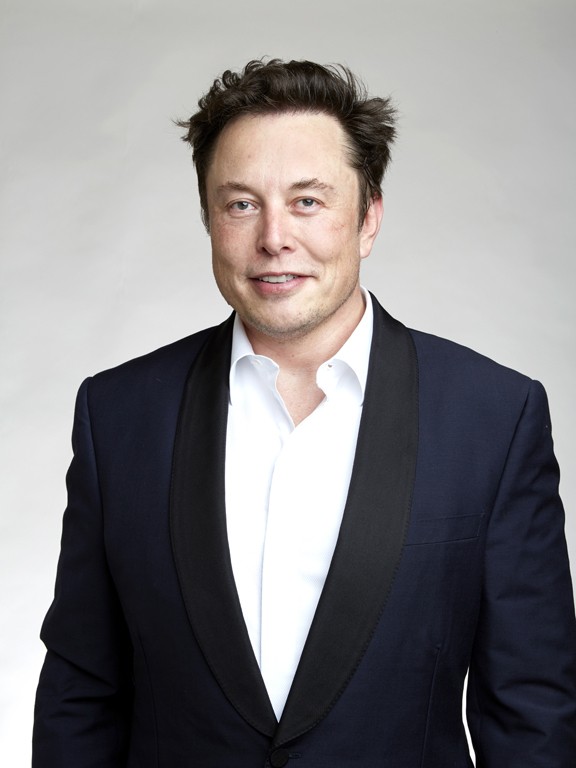
File portrait of Elon Musk in 2018; not a photograph of the 2024 giveaway or the settlement proceedings. Photo: Duncan.Hull; CC BY-SA 4.0. Display copy resized. Original photograph and rights record. Image-use terms.
.jpg)
More from this Daily Junk Food section.
Facts first. Side-eye included.
DJF separates what is confirmed from what is claimed—and tells you why this particular mess is worth your time.

Dana Side-Eye
Receipts, Rumors & Internet NonsenseDana reads the fine print, checks the timeline, and keeps one eyebrow permanently raised. She covers viral claims, internet pile-ons, and suspiciously convenient explanations.
“Screenshots are forever. So is the side-eye.”