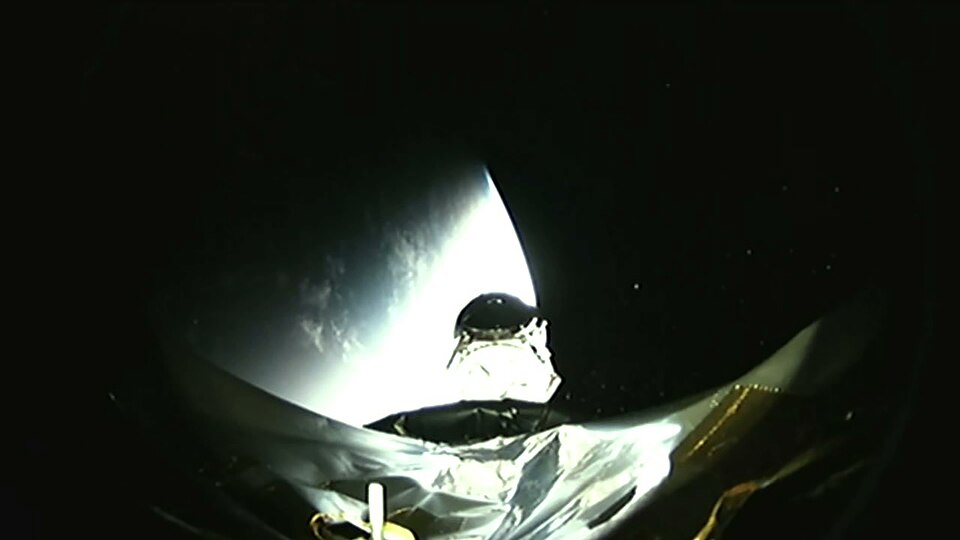
NASA’s Transiting Exoplanet Survey Satellite has officially helped push the confirmed-planet counter past 1,000. The milestone arrived when 70 newly confirmed worlds were added to the NASA Exoplanet Archive, which now lists 6,445 confirmed planets discovered by all methods. That is a lot of real estate for a species that still cannot agree on how to load a dishwasher.
TESS does not photograph little green commuters merging onto an interstellar bypass. It watches stars for tiny, repeatable dips in brightness. When a planet crosses in front of its star from our point of view, the transit blocks a fraction of the light. Scientists then combine repeated transits with ground-based measurements and other observations before a candidate earns the much less glamorous but far more useful label “confirmed.”
The 1,000-world total matters because TESS studies bright, relatively nearby stars. Those targets are easier for other telescopes to revisit. Researchers can measure planetary mass, estimate density and, in favorable cases, analyze an atmosphere. Each confirmed world adds another test of how planets form and how often rocky, temperate environments occur.
This is directly relevant to the search for extraterrestrial life, but it is not evidence that extraterrestrial life has been detected. A planet may sit in a star’s habitable zone and still be a radiation-blasted rock, a pressure cooker or a chemical impersonator. NASA stresses that potential biosignatures require multiple converging lines of evidence and careful elimination of nonliving explanations.
So the honest headline is already big enough: humanity has a thousand confirmed TESS worlds to study, and the catalog keeps growing. No alien confirmation, no secret handshake, no conveniently blurry autopsy film. Just patient science building the map one dimming star at a time—which is slower than cable television would prefer and considerably more trustworthy.
What is verified
This report separates documented facts from commentary and speculation. Source links are listed below for readers who want the original reporting.
Sources

Facts first. Side-eye included.
DJF separates what is confirmed from what is claimed—and tells you why this particular mess is worth your time.