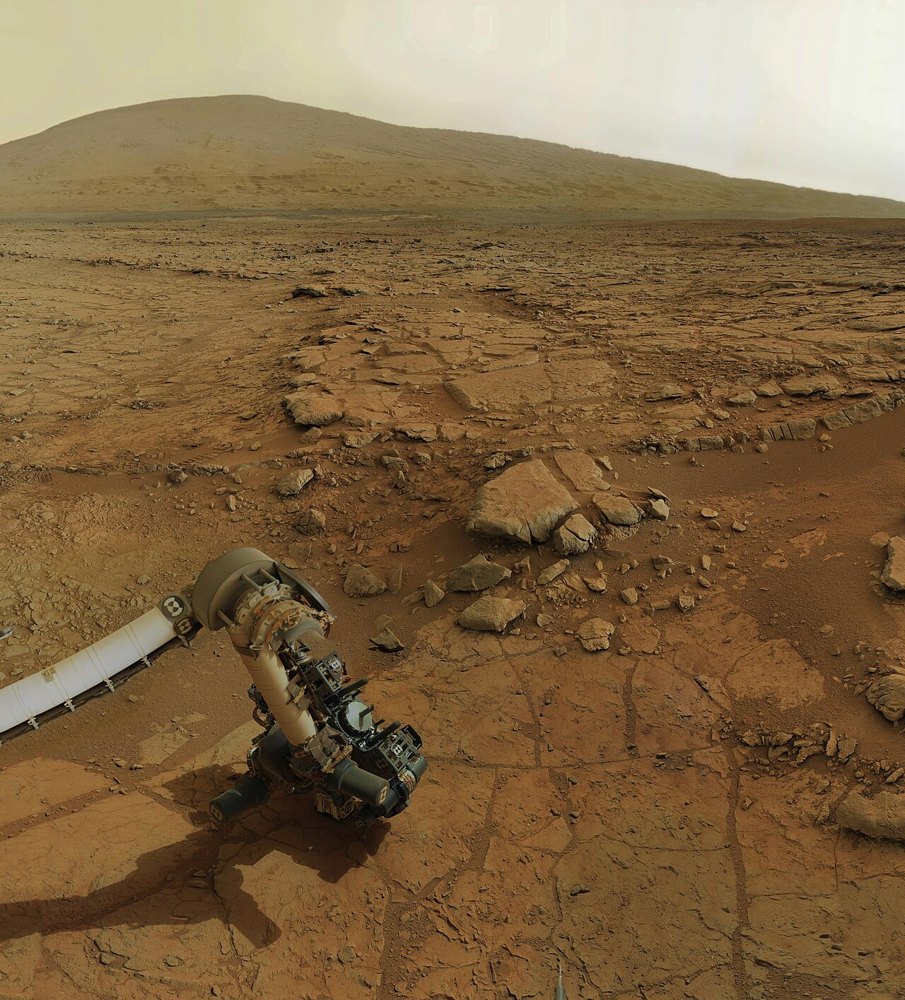
A new peer-reviewed study suggests that if life exists on nearby Earth-like planets, it is more likely to be microbial than technologically advanced. The researchers did not find aliens, interview aliens or inspect an alien zoning permit. They modeled how much biological productivity plausible worlds might sustain.
The team examined 29 nearby exoplanets that could have conditions compatible with life. It estimated cumulative net primary production—the carbon captured through photosynthesis—using factors such as stellar light, temperature and precipitation.
Complex life requires an enormous energy history
On Earth, billions of years of photosynthesis reshaped the atmosphere and supported increasingly complex ecosystems. The model found only two candidate worlds that might exceed Earth's cumulative biological production under its assumptions, and six that might reach a multicellular stage.
Rainfall was often the limiting factor. A planet may receive abundant light and occupy a star's habitable zone while still supporting desert-like productivity rather than a lush biosphere.
This is a probability model, not an alien census
The study assumes extraterrestrial evolution and photosynthesis resemble Earth's, while real alien biology could follow paths scientists have not imagined. Planetary atmosphere, oceans, continents and climate remain uncertain for most targets.
Phys.org summarized the International Journal of Astrobiology study published September 22, 2026. The verified result is a model suggesting low cumulative productivity on most nearby candidates. The speculation is civilization. Nobody confirmed aliens; the paper merely suggests our closest neighbors, if any, may be too busy being pond scum to answer the radio.
Facts first. Side-eye included.
DJF separates what is confirmed from what is claimed—and tells you why this particular mess is worth your time.

Wade Crowley
Strange News & Small-Town WeirdWade collects stories that begin with “You are not going to believe what happened at the Walmart.” He covers odd crime, local legends, UFOs, and reality losing the plot.
“Somewhere, a police report is already getting weirder.”