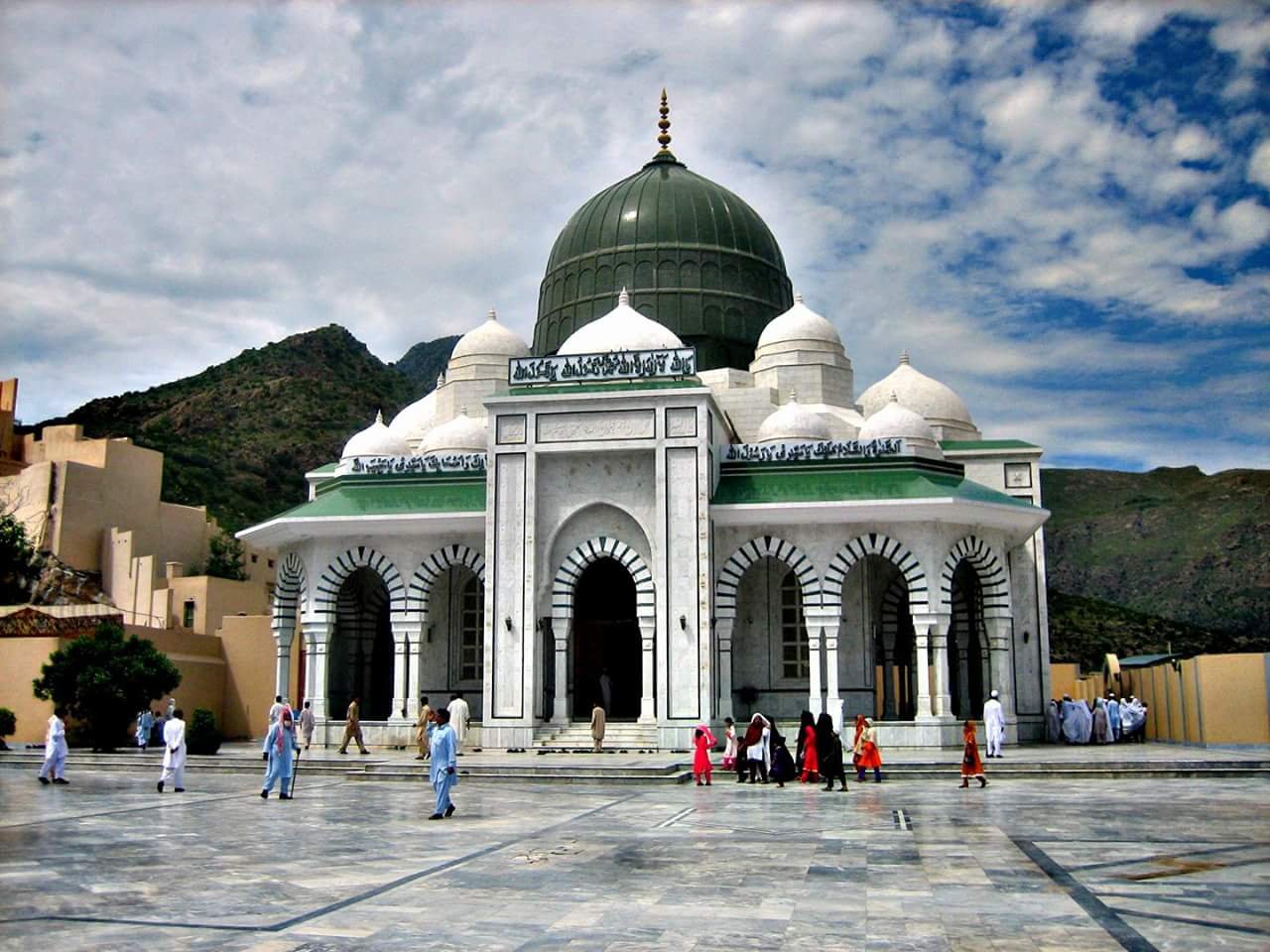
Pakistani security forces ended a 20-hour standoff after militants attacked a police compound and a mosque in the northwestern city of Kohat, killing at least 21 people and injuring more than 100. The dead included police officers and worshippers whose Friday prayers became the setting for an act of calculated terror.
Authorities said a suicide bomber detonated outside the mosque while gunmen assaulted the nearby compound. Security forces killed six militants during the siege and later recovered the bodies of eight attackers, according to officials.
A place of prayer was used as a target
Attacking worshippers is designed to do more than kill. It tries to make ordinary religious life feel unsafe—to turn gathering, prayer and community into sources of fear. That is why casualty numbers, necessary as they are, never capture the full damage.
The violence occurred in Khyber Pakhtunkhwa province, where militant attacks have increased. Pakistan’s government has blamed groups operating from across the Afghan border. Afghanistan condemned the Kohat attack and has denied allowing its territory to be used against Pakistan.
The regional blame does not lessen the local grief
The Associated Press reported the end of the standoff on September 19, 2026.
Governments will argue over sanctuaries, borders and responsibility. Families in Kohat are left with funerals and a familiar promise that security will improve. Faith communities should not need blast walls to pray, yet once again worshippers paid for a conflict they did not create.
Facts first. Side-eye included.
DJF separates what is confirmed from what is claimed—and tells you why this particular mess is worth your time.