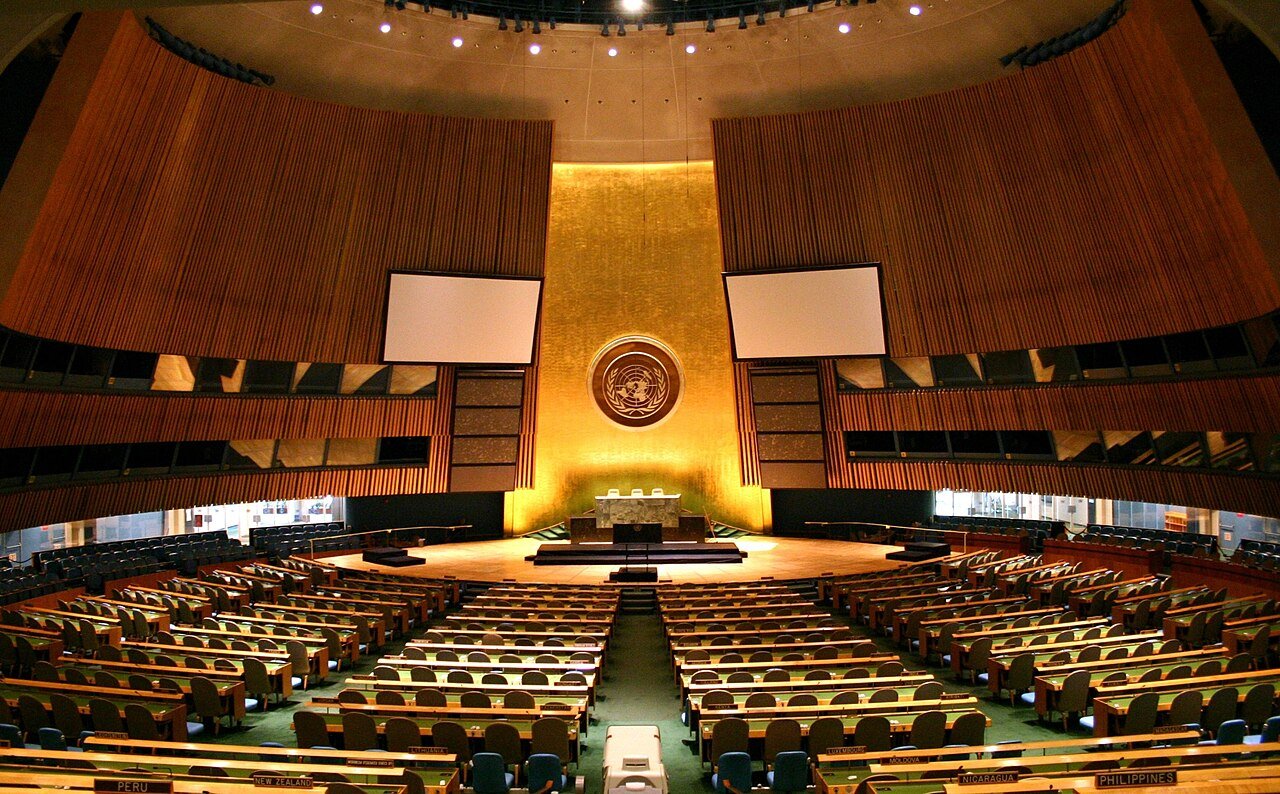
The Trump administration has denied visas to Palestinian Authority President Mahmoud Abbas and other senior Palestinian officials for next week’s United Nations General Assembly gathering. It is the second year in a row Washington has blocked the delegation, apparently testing whether diplomacy becomes more productive when one side attends by video.
The State Department cites broken commitments
U.S. officials accused the Palestinian Authority and Palestine Liberation Organization of undermining peace efforts, continuing legal cases against Israel in international courts and paying stipends to families of prisoners convicted of attacks. The visa restrictions extend existing sanctions on PLO and PA officials.
The decision also reflects the administration’s close alignment with Israel as international criticism of the Gaza war continues. The United States and Israel oppose International Criminal Court efforts involving their personnel, and neither country belongs to the court.
Palestinians will still have representation
Associated Press reported the visa decision on September 16, 2026. Palestinian diplomats already accredited to the U.N. can attend, while Abbas may address the meeting remotely as he did last year.
The United Nations exists so adversaries can argue in the same room before they do something worse elsewhere. Barring political leaders may deliver a satisfying sanction, but it also narrows the space for direct diplomacy. Gen X remembers when “talk to the hand” was a playground line, not a foreign-policy framework.
Facts first. Side-eye included.
DJF separates what is confirmed from what is claimed—and tells you why this particular mess is worth your time.

Dana Side-Eye
Receipts, Rumors & Internet NonsenseDana reads the fine print, checks the timeline, and keeps one eyebrow permanently raised. She covers viral claims, internet pile-ons, and suspiciously convenient explanations.
“Screenshots are forever. So is the side-eye.”