Gen X Files · Opinion
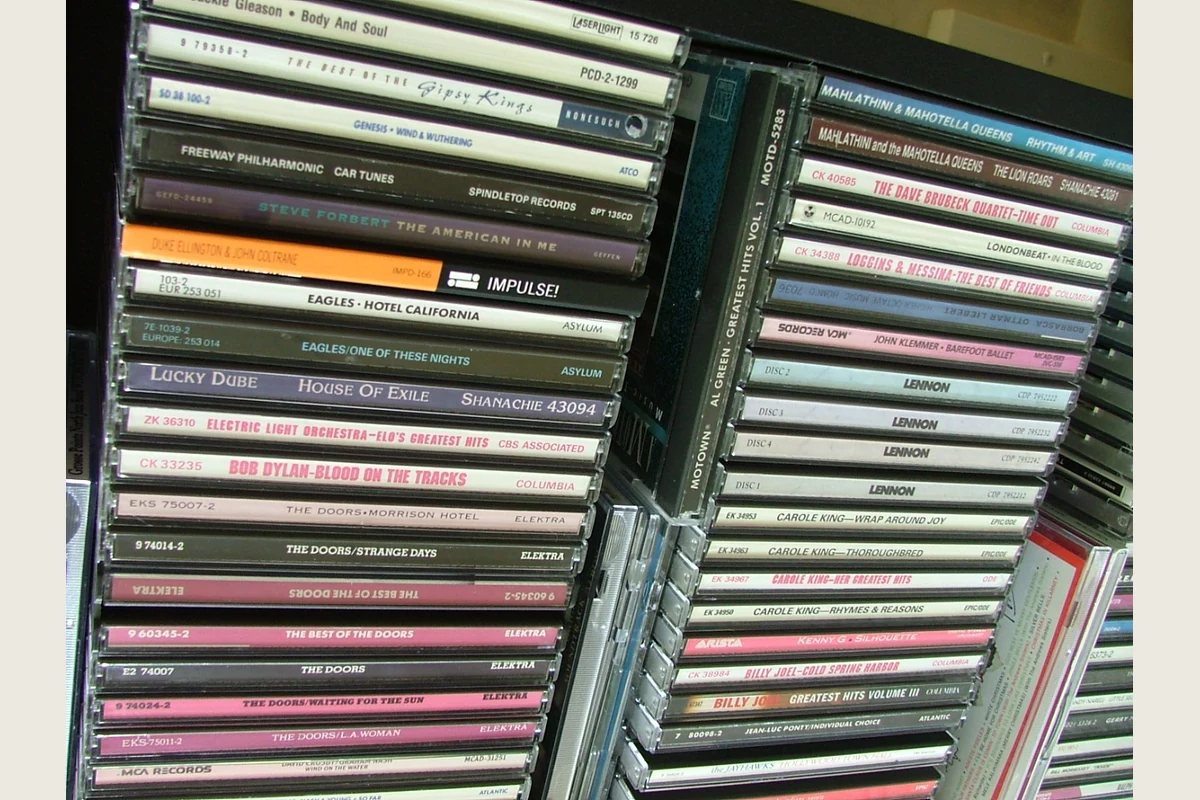
The CD tower was an interior-design crime. Let us admit that before anybody starts polishing a jewel case like it is the family silver. It leaned. It collected dust. One missing disc could turn a perfectly normal evening into a forensic investigation involving every car you had owned since 1998.
And yet that ridiculous shelf had a point. It represented music someone had deliberately selected. A streaming service can offer a vast catalog; a collection tells you what made it through your front door.
Streaming won the convenience argument
There is no serious need to pretend searching for a song on a phone is harder than locating a scratched disc behind a passenger seat. Streaming makes exploration easier, and that is a real improvement. You can investigate an unfamiliar artist without buying an entire album because a magazine used the word “essential.”
The scale is not imaginary either. In its March 2026 report on the previous year, IFPI said streaming accounted for 69.6% of global recorded-music revenue in 2025. Physical-format revenue also grew, by 8%. Those worldwide figures describe a market with room for more than one listening habit. They do not mean everybody has suddenly bought a turntable and developed strong opinions about shelving.
A collection is a set of decisions
What makes a physical collection interesting is its limitation. A shelf runs out. A budget runs out. Eventually you have to decide whether you want that record or merely enjoy the idea of being the kind of person who owns it.
That distinction can be useful. A recommendation feed keeps offering possibilities. A collection asks you to live with some choices. The result may include masterpieces, questionable imports and an album you bought for one song and then defended for an unreasonable number of years. At least the argument is yours.
This is not a sound-quality contest. Different releases, equipment and listening conditions make that a separate discussion. You do not need a laboratory, a velvet listening chair or a man explaining speaker cables to enjoy an album.
The artwork was part of the conversation
A booklet offers something different from a thumbnail. You can read the credits, notice a photograph, follow the lyric sheet or discover who played the instrument that caught your attention. None of those activities is compulsory. They simply give you another way into the record.
There is also something pleasingly direct about handing an album to another person. “Try this” becomes a specific object with a front, a back and a running order. It does not arrive between a calendar reminder and a notification that a stranger has opinions about breakfast.
Do not turn nostalgia into another shopping assignment
The least interesting response to all this is panic-buying a stack of records to prove you still have a personality. You do not need to rebuild a teenage bedroom at premium prices. Start with whatever you already own and ask which albums still deserve an uninterrupted listen.
A modest collection you actually play is more convincing than a museum of expensive purchases waiting for a social-media tour. Likewise, streaming an entire album from beginning to end is still listening to an entire album. The ritual does not require a receipt.
Try an album instead of another infinite queue
Pick one record. Put the phone somewhere inconvenient. Let the running order make its case before you start auditioning a different future every thirty seconds. You might rediscover a song you skipped, decide an old favorite has not aged well, or finally admit that the second half was mostly filler.
That is an opinion earned by attention. It beats allowing a recommendation carousel to become your personality by default.
There is more music and cultural archaeology in the Gen X Files. If familiar places are your particular weakness, follow the rabbit hole into why dead malls feel like time machines.
Keep the convenience. Keep the records you love. Retire the idea that enjoying one means declaring war on the other. The CD tower has suffered enough.
Photo: Arbitrarily0 / CC BY-SA 3.0. Resized and padded for display; photograph content unchanged.

Facts first. Side-eye included.
DJF separates what is confirmed from what is claimed—and tells you why this particular mess is worth your time.