The SCIAF Jackdaw response puts a Catholic aid organization firmly inside the argument over fossil-fuel development. In an October 21 statement highlighted by Religion Media Centre the following day, the Scottish Catholic International Aid Fund condemned approval of the Jackdaw gas field. Its emphasis was the effect of climate decisions on poorer communities, rather than a ceremonial expression of concern followed by absolutely nothing specific.
Anne Callaghan, the charity’s advocacy officer, called for the decision to be reversed and opposed Rosebank approval as well. SCIAF argues that expanding fossil-fuel production conflicts with climate responsibilities and harms people already facing severe environmental pressures. Those are the organization’s stated policy positions; a charity’s statement is not itself an independent calculation of a project’s emissions or energy-security effects.
The religious angle is substantive. A faith-based aid organization connects decisions about energy with obligations toward neighbors whose lives unfold far from the approval paperwork. Readers can disagree with the policy conclusion while recognizing that this is a moral argument about who bears costs and who gets a voice, not simply a church wandering accidentally into the business section.
Our take: creation care becomes more demanding when it moves beyond admiring a beautiful landscape. It asks people to examine arrangements that may be convenient, profitable or familiar. That can produce awkward conversations. Ethical reasoning has never promised to arrive with complimentary parking and an exemption for whatever a government has already announced.
There are useful questions for the continuing debate: what alternatives were considered, how are affected communities represented, and how will promised benefits and environmental consequences be measured? Those questions require evidence from more than one advocacy statement. Treating a moral objection seriously does not mean treating every supporting claim as settled without examination.
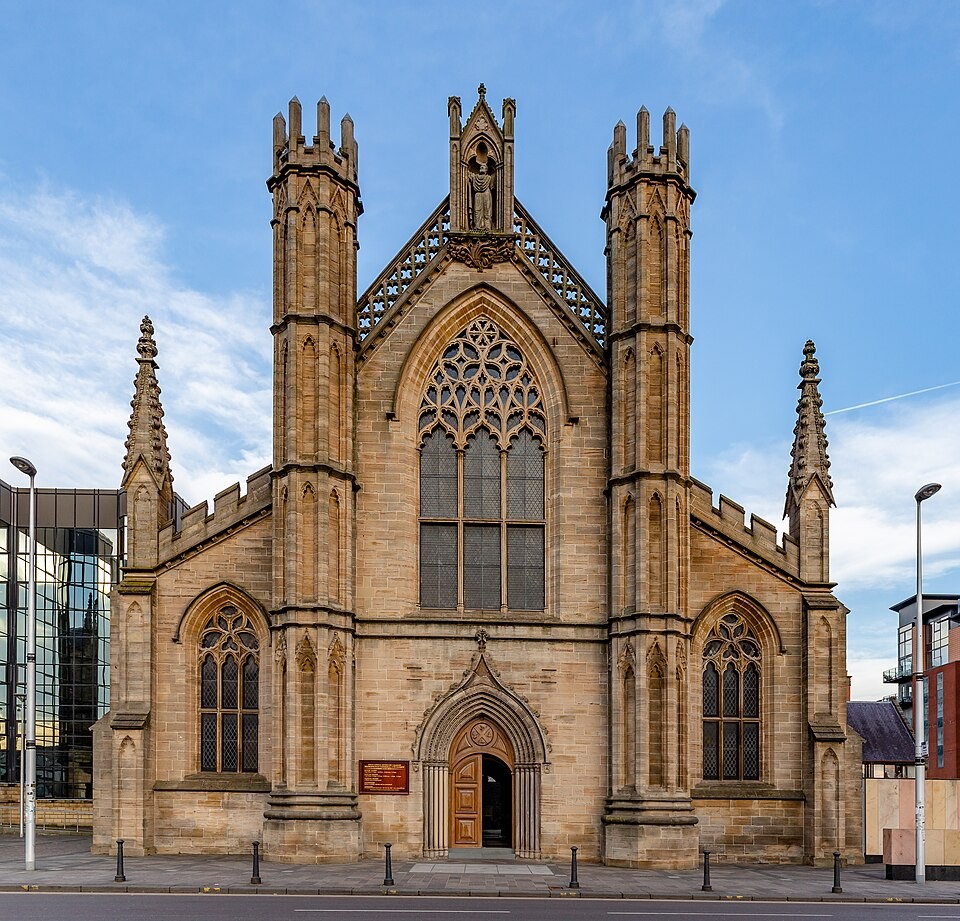
The current development is SCIAF’s explicit response to the approval, not a claim that Catholic institutions everywhere have issued an identical decision. The photograph is an archival Scottish cathedral, used to illustrate the faith context. The next meaningful update will involve the policy response, further decisions or evidence, rather than another round of adults discovering that religion sometimes has opinions about what people do to the world.
Sources and photograph
SCIAF, October 21 statement. Religion Media Centre, October 22 bulletin.
Representative Scottish Catholic church photograph, taken in December 2018; not SCIAF’s offices or a protest. Photo: Michal Klajban; CC BY-SA 4.0. Display copy resized. Where applicable, the resized photograph retains the stated ShareAlike license. Original photograph and rights record. Image-use terms.

More from this Daily Junk Food section.
Facts first. Side-eye included.
DJF separates what is confirmed from what is claimed—and tells you why this particular mess is worth your time.

Dana Side-Eye
Receipts, Rumors & Internet NonsenseDana reads the fine print, checks the timeline, and keeps one eyebrow permanently raised. She covers viral claims, internet pile-ons, and suspiciously convenient explanations.
“Screenshots are forever. So is the side-eye.”