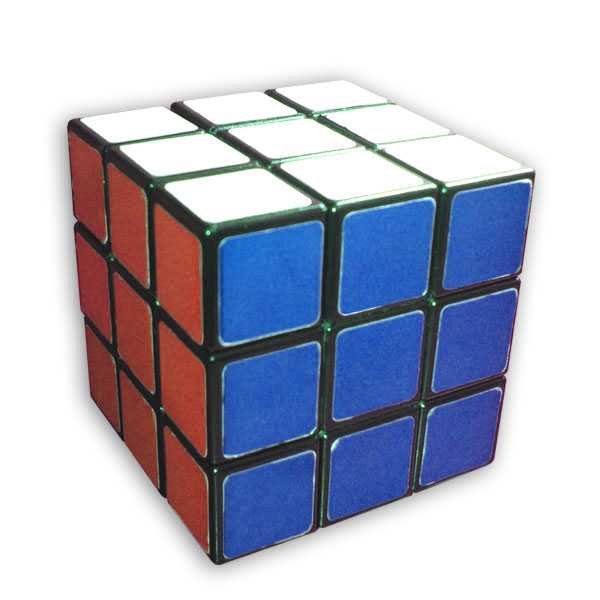
A six-year-old girl in China broke a Rubik’s Cube world record twice in three days. Somewhere, an adult who has been “almost finished” with the same cube since 1987 just placed it gently inside a drawer.
The young competitor completed the puzzle under formal speed-cubing conditions, then improved her own mark days later. Records require standardized equipment, timing and official observation, because even brightly colored plastic eventually develops a governing body.
Speed solving is planned, not improvised
Elite cubers memorize algorithms that move pieces through predictable patterns. They also practice rapid inspection, finger movements and recognition so the solution unfolds as a trained sequence rather than six sides of panic.
Young competitors can become remarkably fast because they begin learning those systems early and practice with the intensity adults reserve for checking whether an email sounded rude.
Twice makes the achievement stranger
Breaking a record once can look like a perfect run. Breaking it again almost immediately demonstrates repeatable skill and the possibility that the mark may continue falling.
Associated Press video documented the record-breaking performances.
The cube was invented as a teaching tool and became an international test of memory and dexterity. It has now also become proof that kindergarten-age children are prepared to humble the entire office break room.
Facts first. Side-eye included.
DJF separates what is confirmed from what is claimed—and tells you why this particular mess is worth your time.

Wade Crowley
Strange News & Small-Town WeirdWade collects stories that begin with “You are not going to believe what happened at the Walmart.” He covers odd crime, local legends, UFOs, and reality losing the plot.
“Somewhere, a police report is already getting weirder.”