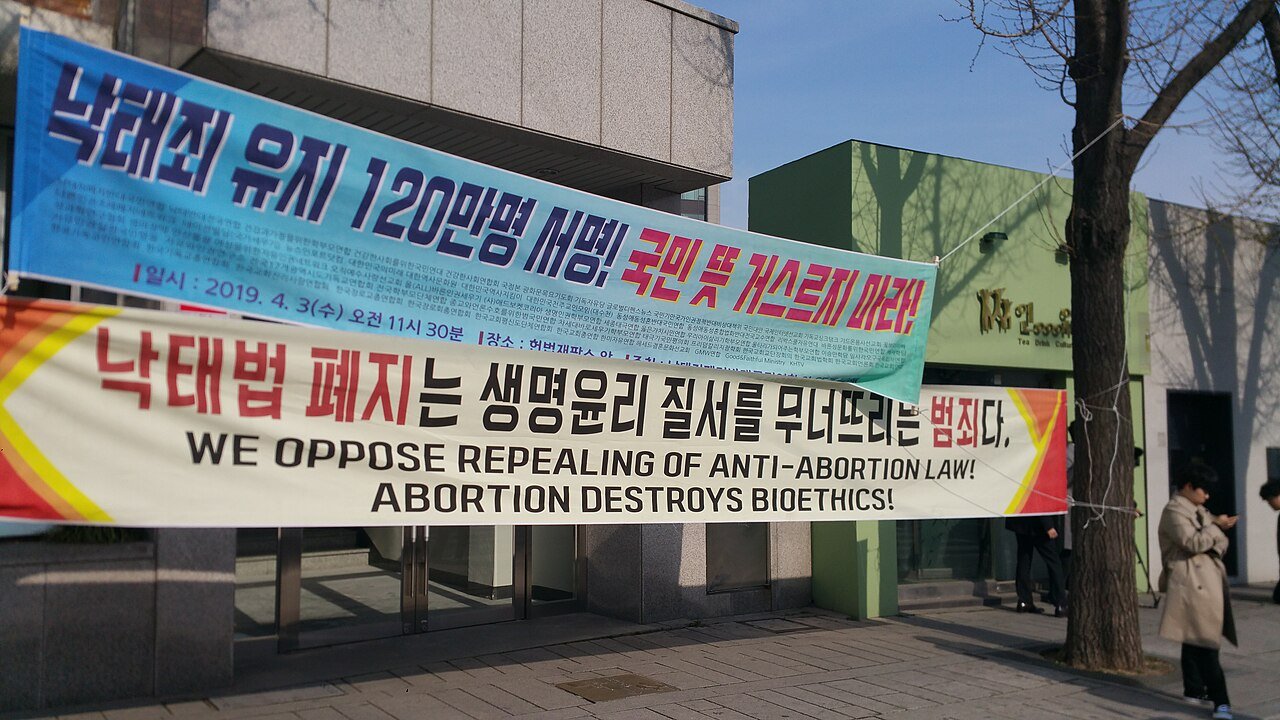
South Korea plans to approve abortion pills for the first time by early 2027, creating a regulated medical pathway years after the country’s Constitutional Court decriminalized abortion.
The government would permit medication abortion through nine weeks of pregnancy. During the first two years, doctors would prescribe and directly dispense the two-drug combination of mifepristone and misoprostol.
The legal gap created a health gap
South Korea’s top court ruled in 2019 that the abortion ban was unconstitutional, but lawmakers never fully rebuilt the legal framework. Patients have continued to encounter uncertainty and sometimes unverified medicine purchased outside normal care.
Women’s rights groups support regulated access as a safety measure. The Catholic Church opposes the policy, while medical groups want clearer liability rules, training and procedures for handling complications.
Belief, law and medicine meet in the exam room
Associated Press reported the plan on September 18, 2026. More than 100 countries already authorize the medications.
Religious objections deserve honest representation, but public policy also has to address what happens when patients seek care anyway. Leaving a legal vacuum did not end abortion. It made safe information harder to reach, which is not the same thing as protecting life.
Facts first. Side-eye included.
DJF separates what is confirmed from what is claimed—and tells you why this particular mess is worth your time.