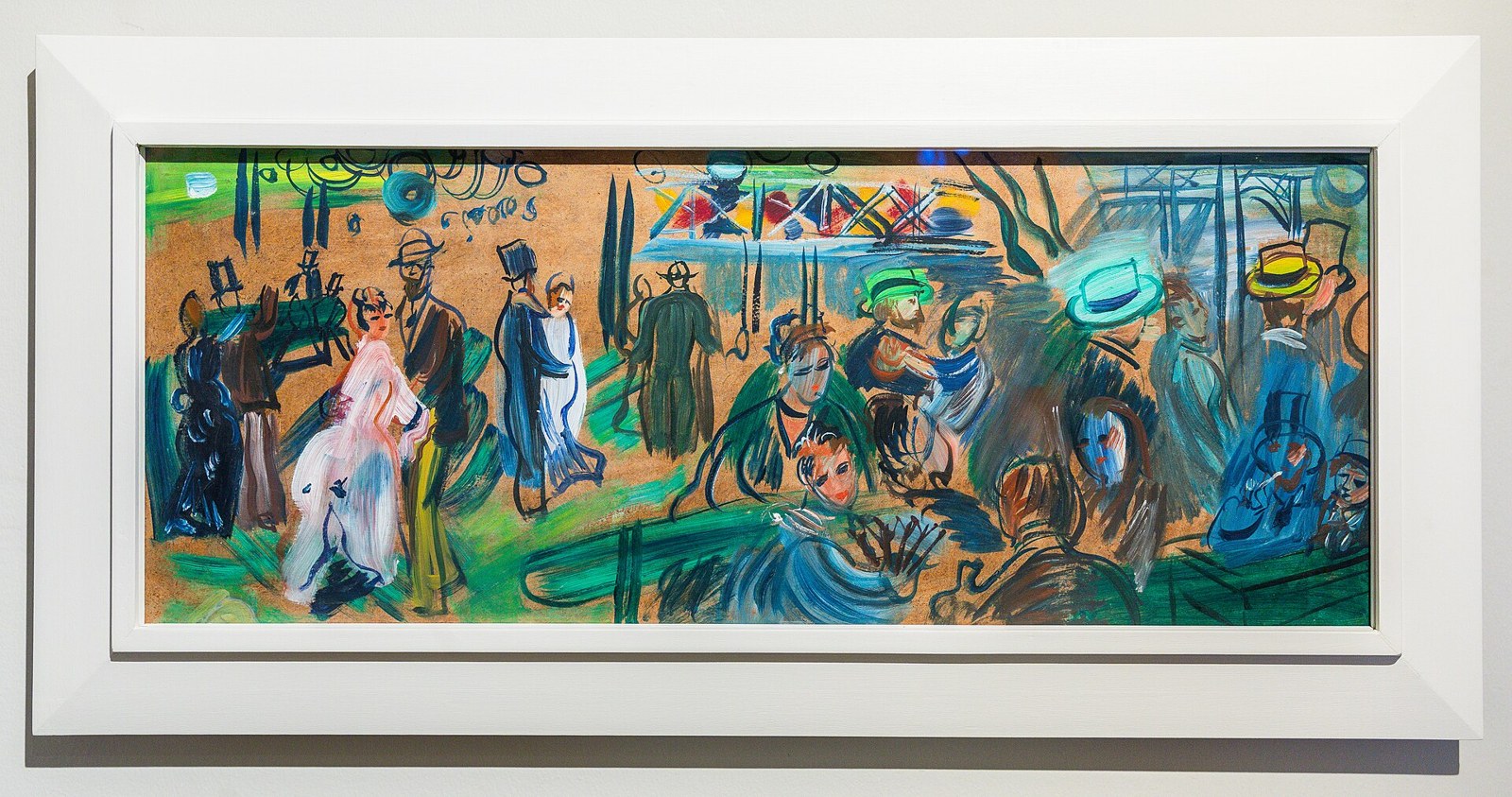
French authorities have recovered two Pierre-Auguste Renoir paintings stolen from a museum on the Riviera and arrested six suspects, according to the mayor of Cagnes-sur-Mer. The works disappeared about a month earlier and were worth millions. The recovery ends the glamorous portion of the alleged caper and begins the considerably less cinematic phase involving evidence bags, interviews and fluorescent government lighting.
Mayor Bryan Masson announced the recovery on October 9, calling it a source of immense joy and relief for the town. Authorities had not publicly released every operational detail about how officers located the paintings or where they were found. That restraint matters: an arrest is not a conviction, and the six people detained remain suspects unless and until guilt is established in court.
Renoir spent his final years at Les Collettes in Cagnes-sur-Mer, where the Musée Renoir preserves his home, studio and surrounding olive grove. The setting gives his work a living geographic context rather than treating it as expensive wallpaper. Stealing from that collection is not merely removing an asset; it tears a piece out of the story a museum was built to tell.
Art theft occupies a peculiar place in popular imagination. Movies give us tailored jackets, laser grids and a thief who knows six languages. Actual thefts often involve crude entry, opportunism and an urgent problem: a famous painting is recognizable, difficult to insure, difficult to display and dangerous to sell. Congratulations, you stole a fortune that behaves like a glowing refrigerator.
Recovery is especially important because stolen art can disappear for decades, suffer damage in poor storage or become collateral in other criminal activity. Returning the physical works permits conservators to assess their condition and allows the public collection to become whole again. Any damage assessment and eventual criminal charges will require official confirmation.
For now, the verified news is unusually satisfying: two paintings are back, six people have been arrested, and a town connected intimately to Renoir’s final chapter can breathe again. The suspects may have imagined a sophisticated Riviera mystery. The ending, at least so far, looks more like paperwork with a masterpiece attached.
Sources and image information
Reuters, Oct. 9, 2026: https://www.reuters.com/lifestyle/renoir-paintings-stolen-riviera-museum-recovered-six-people-arrested-2026-10-09/; Ville de Cagnes-sur-Mer, Musée Renoir: https://www.cagnes-sur-mer.fr/culture/musee-renoir/
Photograph: Raimond Spekking; CC BY-SA 4.0. Original file and rights record: Wikimedia Commons.

Facts first. Side-eye included.
DJF separates what is confirmed from what is claimed—and tells you why this particular mess is worth your time.