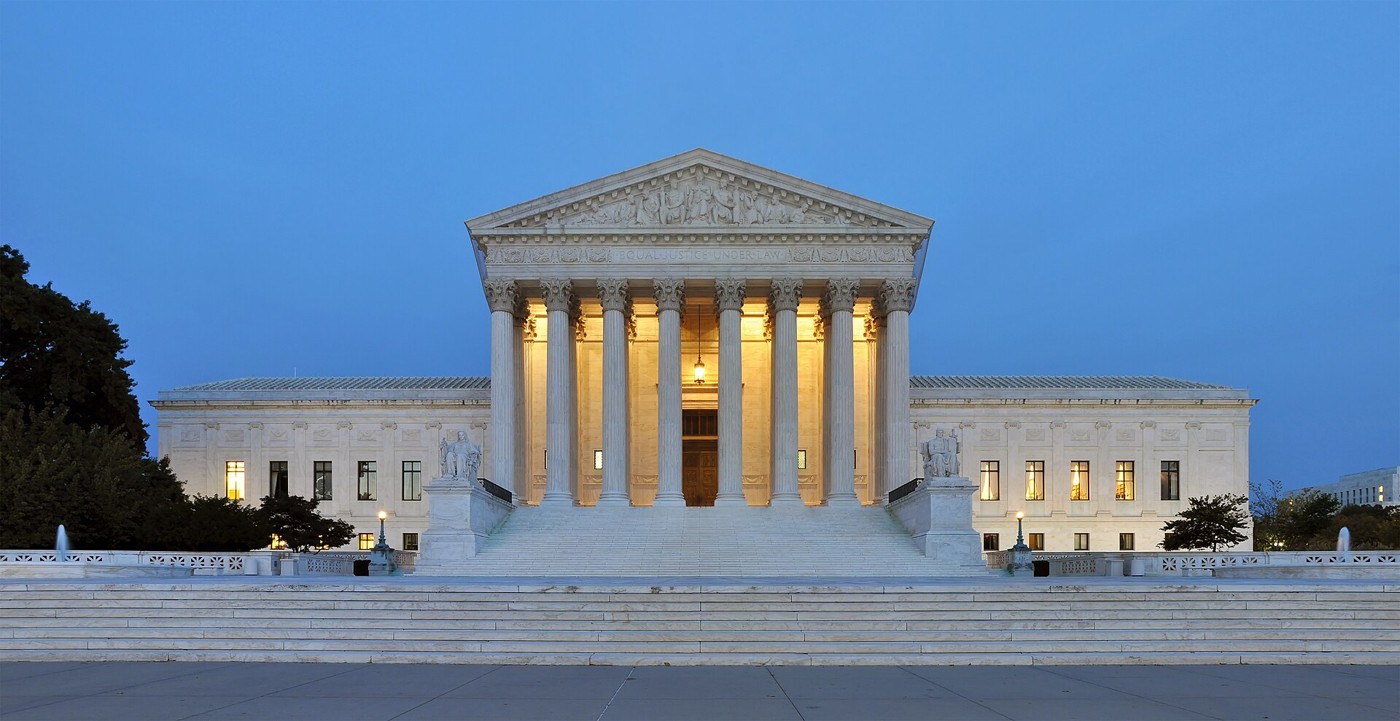
The FCC political ad rates deadline has become another election-season Supreme Court fight. Reuters reports that the justices on October 14 lifted a lower-court deadline for the FCC to decide a Democratic challenge to discounted advertising rates for party committees. The action concerns timing while the dispute continues; it is not a final resolution of every underlying legal claim.
The practical argument is about whether review can happen soon enough to matter before voting ends. A process can remain technically available while the opportunity for an effective remedy shrinks. That is why procedural disputes deserve attention even when they lack the cinematic appeal of a courtroom confession. Sometimes the decisive plot device is the calendar, wearing a very expensive suit.
Commentary: campaign advertising already feels like a compulsory group project designed by people who dislike us. The legal rules governing its price are less visible than the ads themselves, but potentially important. If one class of buyer gains a purchasing advantage, arguments over access and authority can affect how far campaign money goes. The relevant issue is the rule and its implementation, rather than whether viewers enjoy the resulting commercials.
There are legitimate reasons for agencies to review matters before courts intervene. There are also legitimate concerns when administrative review consumes the useful life of a challenge. Those principles need not be caricatured as either instant justice or endless paperwork. The hard question is what amount of time the law permits under the actual circumstances.
An interim order should therefore be described carefully. It changes the immediate procedural situation without necessarily endorsing every argument made by the side requesting it. Readers deserve to know whether a court decided substance, jurisdiction, a deadline, or temporary relief. Collapsing all four into a victory graphic may be good television, but it is lousy navigation.
The next meaningful developments are the FCC’s action and any further court orders. Until then, the story is that timing itself remains contested in a fight over campaign-ad rates. Voters may be tired of the ads, but they still deserve rules that can be understood and reviewed while the election is happening, rather than a beautifully reasoned answer delivered after the confetti has been swept up.
Sources and photograph
Reuters, John Kruzel, October 14, 2026.
File photograph of the Supreme Court building; not the October 14 proceedings. Photo: Joe Ravi; CC BY-SA 3.0. Display copy resized. Original photograph and rights record. License terms.

Read more in this Daily Junk Food section.
Facts first. Side-eye included.
DJF separates what is confirmed from what is claimed—and tells you why this particular mess is worth your time.

Dana Side-Eye
Receipts, Rumors & Internet NonsenseDana reads the fine print, checks the timeline, and keeps one eyebrow permanently raised. She covers viral claims, internet pile-ons, and suspiciously convenient explanations.
“Screenshots are forever. So is the side-eye.”