The Gwynne Wilcox appeal reached a closed door at the Supreme Court on October 19. The justices declined to hear her challenge to President Donald Trump’s removal of her from the National Labor Relations Board, leaving the adverse lower-court judgment in place. Sometimes a consequential court development arrives without a televised argument, a dramatic bench announcement or anything suitable for a commemorative tote bag.
Reuters reports that Trump removed Wilcox in January 2025. She challenged the firing, arguing that congressional protections limited removal of board members. A district judge initially upheld those protections, but a divided D.C. Circuit panel reversed that result in December 2025. The Washington Sun reports that full-court reconsideration was also denied in January. Today’s refusal ends this attempt to obtain Supreme Court review.
The broader context is presidential control over agencies designed to have a measure of independence. Reuters places the action after the court’s June ruling permitting the removal of former Federal Trade Commissioner Rebecca Slaughter and overturning the Humphrey’s Executor precedent. Wilcox’s litigation belonged to that larger fight over whether statutory job protections could constrain presidential removal power.
The procedural distinction matters. Declining an appeal is not the same event as issuing a new, fully reasoned merits opinion after argument. The practical consequence here is that the lower-court result remains standing. Readers do not need to turn a denial of review into an imaginary hundred-page opinion to understand why that matters to the person seeking reinstatement.
Our take: the dispute is about where authority sits, not simply which official lost an office. An independent board means something different if its members can be removed at presidential will. People may disagree about the appropriate arrangement, but the disagreement should at least name the arrangement. Otherwise, a structural argument about government gets reduced to the familiar television format of Somebody Won, Somebody Is Mad.
The October 19 news is the rejected appeal, not a new firing or a fresh round of trial evidence. Keep that date and procedural posture attached when sharing the story. In a legal system with this many stages, the least we can do is avoid describing every staircase as the final floor.
Sources and photograph
Reuters, John Kruzel, October 19. The Washington Sun, October 19.
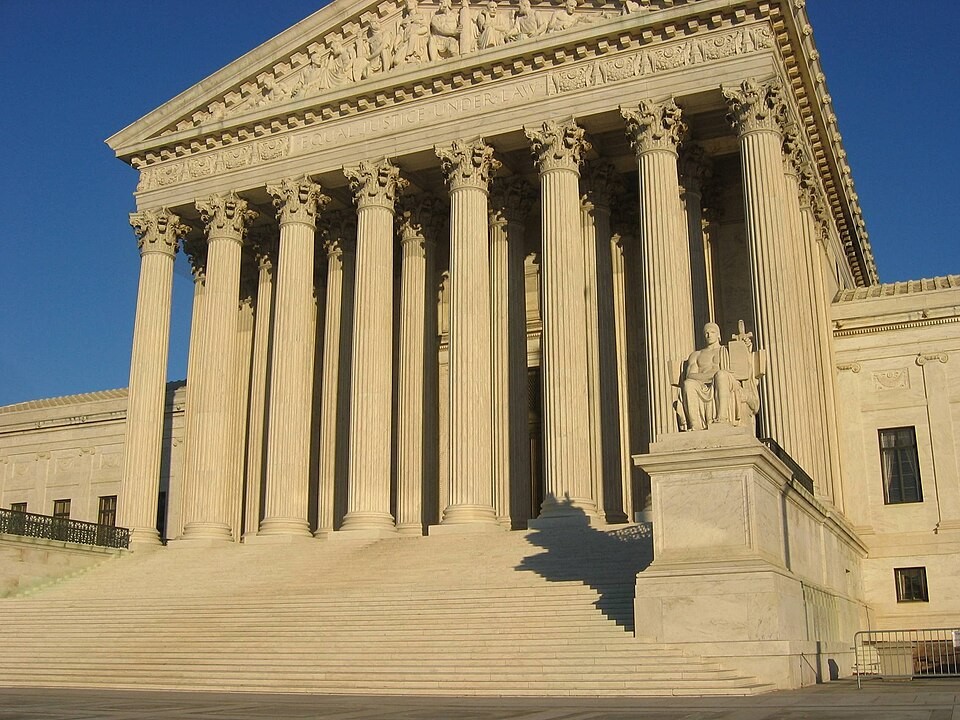
Archival photograph of the Supreme Court building, December 2004. Not an October 19 hearing. Photo: Duncan Lock (Dflock); CC BY-SA 3.0. Display copy resized. Where applicable, the resized photograph retains the stated ShareAlike license. Original photograph and rights record. Image-use terms.

More from this Daily Junk Food section.
Facts first. Side-eye included.
DJF separates what is confirmed from what is claimed—and tells you why this particular mess is worth your time.

Dana Side-Eye
Receipts, Rumors & Internet NonsenseDana reads the fine print, checks the timeline, and keeps one eyebrow permanently raised. She covers viral claims, internet pile-ons, and suspiciously convenient explanations.
“Screenshots are forever. So is the side-eye.”