The Tesla class-action ruling issued October 16 gives the company a significant procedural win, not a judicial endorsement of its self-driving marketing. The Ninth Circuit vacated certification of classes in LoSavio v. Tesla and sent the case back. Anyone translating that into “the court says Full Self-Driving delivers everything promised” has driven well beyond the opinion’s lane markings.
The panel focused on whether exposure to a website statement about vehicle hardware could be established across the proposed classes. It rejected an inference that all relevant purchasers had encountered that statement. In particular, the purchase process did not require every buyer to pass through the Autopilot webpage. A statement on a website is not automatically equivalent to a label every purchaser receives.
The memorandum addresses two damages classes and an injunctive-relief class. Differences in exposure mattered to common proof, limitations defenses and the scope of the proposed injunction class. Because the exposure issue was dispositive, the panel did not decide the separate damages-model question. The disposition is marked not for publication and is nonprecedential under the court’s stated rule.
Reuters reports that the lawsuit concerns allegations of misleading self-driving claims, which Tesla denies. The distinction between an allegation and a finding remains important after a procedural appeal. Sending a case back over certification does not turn disputed accusations into established facts; it also does not establish that every challenged statement was accurate.
Analysis: class certification asks whether claims can proceed together under the applicable rules. That can be consequential for both sides without resolving whether the defendant ultimately owes anyone relief. Treating procedure as a meaningless technicality misses its importance. Treating it as a complete merits verdict misses what the judges actually decided. There is room to avoid both mistakes.
For vehicle owners, the decision supplies no new technical assessment of a driving system. A court’s analysis of who saw a marketing statement is not a road test, a safety authorization or a replacement for instructions governing a vehicle’s use. The legal question and the engineering question may appear in the same news cycle without becoming the same question.
The next substantive update should come from what happens on remand, including any renewed certification effort or other actual ruling. For now, Tesla has obtained a reset of the certified classes, and the underlying dispute has not magically evaporated. Court documents are inconvenient that way: sometimes the ending is “more proceedings,” not the victory graphic everybody ordered.
Sources and photograph
Ninth Circuit, LoSavio v. Tesla memorandum, October 16. Reuters, Mike Scarcella, October 16.
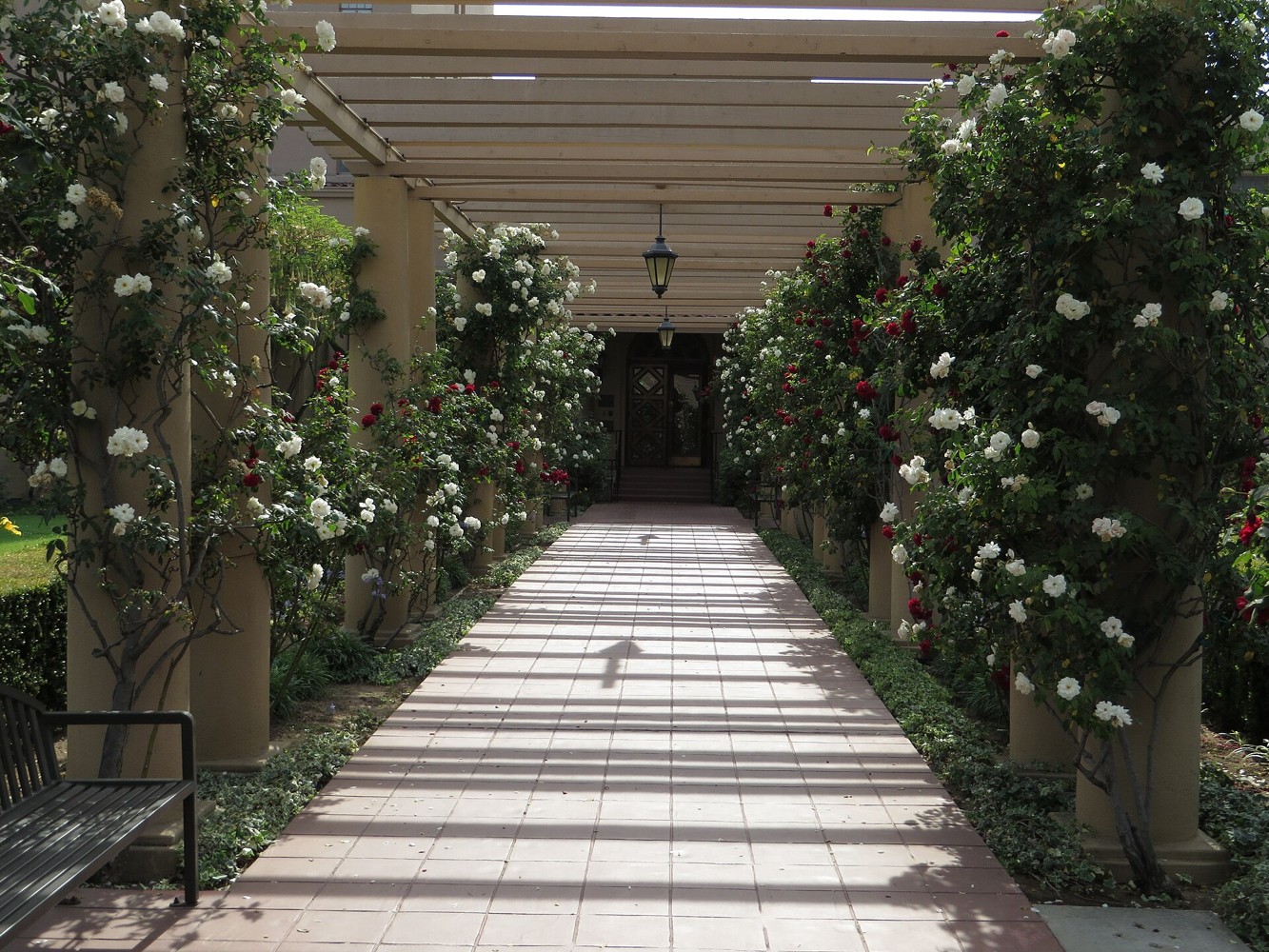
File photograph of a walkway at the Ninth Circuit courthouse in Pasadena; not the October 16 panel or a Tesla vehicle. Photo: Ken Lund from Reno, Nevada, USA; CC BY-SA 2.0. Display copy resized. Original photograph and rights record. Image-use terms.
.jpg)
More from this Daily Junk Food section.
Facts first. Side-eye included.
DJF separates what is confirmed from what is claimed—and tells you why this particular mess is worth your time.

Dana Side-Eye
Receipts, Rumors & Internet NonsenseDana reads the fine print, checks the timeline, and keeps one eyebrow permanently raised. She covers viral claims, internet pile-ons, and suspiciously convenient explanations.
“Screenshots are forever. So is the side-eye.”