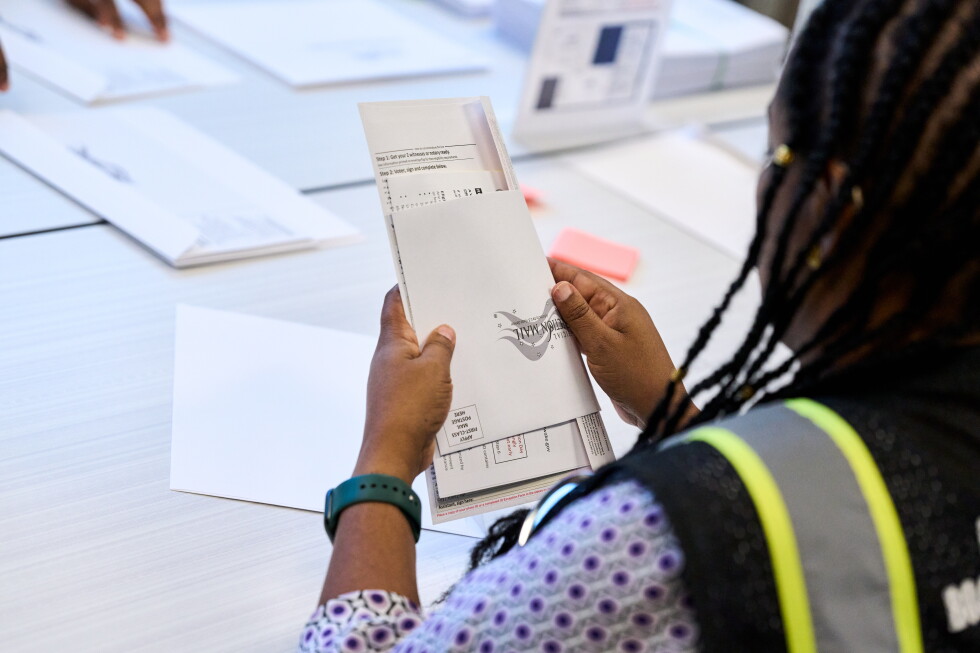
The Trump administration has gone back to the U.S. Supreme Court in an effort to enforce restrictions on mail ballots, escalating a legal fight with obvious consequences for the 2026 midterms.
According to the Associated Press, the filing is the administration’s third request asking the justices to intervene. A federal judge extended an injunction blocking the restrictions, and the administration now wants the high court to let the rules take effect while litigation continues.
What the fight is about
Mail voting sounds straightforward until lawyers, deadlines and postmarks enter the room. States have long used different systems for deciding when a ballot counts—when it is mailed, when it arrives or whether it meets a combination of deadlines and verification rules. The administration’s position would tighten the federal approach; opponents argue the changes exceed presidential authority and could disqualify lawful voters.
That distinction matters because a ballot can be cast on time and still arrive later through no fault of the voter. Supporters of tighter receipt rules say firm deadlines make elections easier to administer and results faster to certify. Critics say the practical effect is to make voters absorb delays created by the postal system.
Why the emergency request matters
The Supreme Court is not being asked to conduct a full trial. Emergency applications usually ask whether a disputed policy can operate while lower courts sort out the merits. Yet the temporary answer can shape an election before the final legal answer arrives. Election rules do not politely wait for appellate calendars.
The justices have repeatedly been pulled into election disputes on compressed schedules. Courts also tend to be wary of changing voting rules too close to an election, though the parties routinely disagree over which side is doing the changing.
For voters, the safest advice remains painfully unglamorous: check the current rules from your state or local election office, request a ballot early and return it with time to spare. The litigation may be national, but whether a particular envelope counts can come down to a date, a signature and a mailbox.
America has once again reached the point where paperwork is a constitutional thriller. Nobody asked for that genre, but it keeps getting renewed.
Facts first. Side-eye included.
DJF separates what is confirmed from what is claimed—and tells you why this particular mess is worth your time.