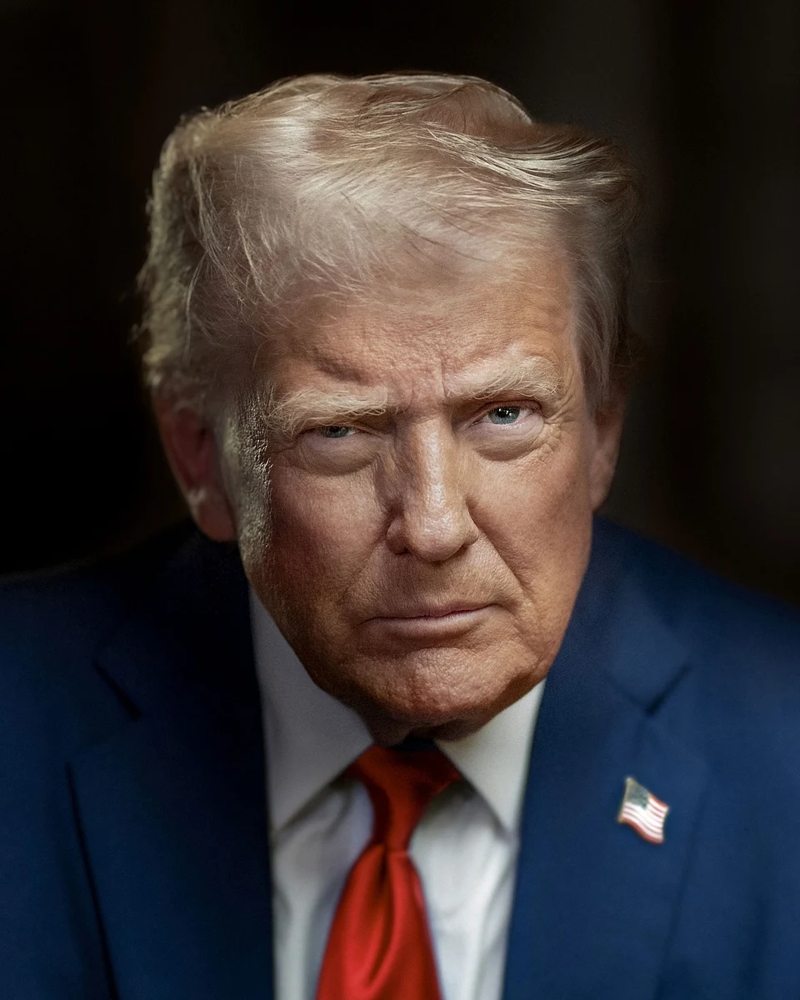
President Donald Trump says he would be comfortable with Chinese automakers building vehicles in the United States—as long as they build factories here and hire American workers. It is a more complicated position than the familiar campaign-stage version of trade policy, where every imported product gets a villain cape and a tariff.
The jobs-first argument
The basic pitch is recognizable: if foreign companies want access to American buyers, make them invest in American plants, wages and supply chains. Supporters see a chance to capture manufacturing jobs and technical know-how instead of simply importing finished cars. Critics worry that Chinese state support, data practices and low-cost competition could still place domestic companies at a disadvantage.
That tension is not new. Americans once heard nearly identical anxiety about Japanese automakers. Over time, companies including Toyota, Honda and Nissan built major U.S. operations. The open question is whether the Chinese auto industry—especially its fast-growing electric-vehicle sector—can follow the same road under much sharper national-security scrutiny.
Tariffs meet factory gates
Trump has used tariffs as both economic policy and negotiating leverage. Welcoming a factory while taxing imported vehicles is consistent with an attempt to force production inside the border, but it does not settle who owns the technology, where sensitive data goes or how much public subsidy is involved.
For Gen X, the whole debate has a familiar soundtrack: politicians promise the factory is coming back, consultants discover a new phrase for layoffs, and ordinary workers are told to wait for the benefits to trickle through the loading dock. A real jobs policy needs enforceable wage, sourcing and security rules—not just a ribbon-cutting and a hat.
According to Reuters reporting, Trump framed U.S.-based production as the condition. The important part now is what “built in America” actually requires once the applause ends.
Facts first. Side-eye included.
DJF separates what is confirmed from what is claimed—and tells you why this particular mess is worth your time.

Dana Side-Eye
Receipts, Rumors & Internet NonsenseDana reads the fine print, checks the timeline, and keeps one eyebrow permanently raised. She covers viral claims, internet pile-ons, and suspiciously convenient explanations.
“Screenshots are forever. So is the side-eye.”