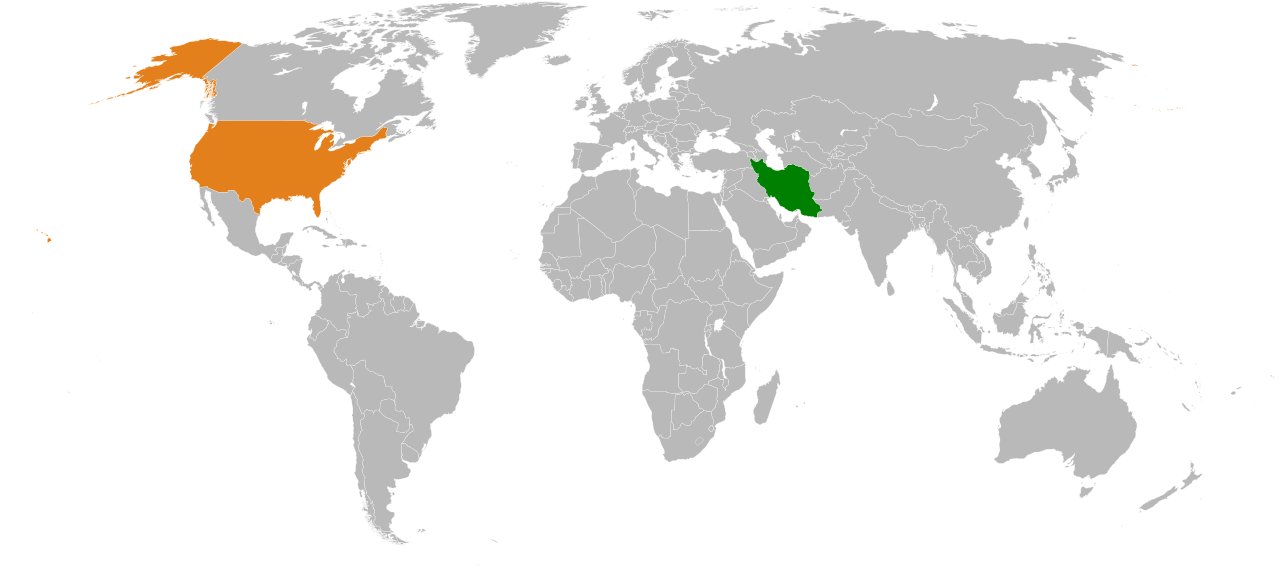
President Donald Trump called for the complete economic isolation of Iran at the United Nations while Iranian officials floated renewed negotiations. The diplomatic door is apparently open, but only after everybody takes turns slamming it hard enough to rattle the hinges.
Trump said he expected a deal could become possible after the U.S. midterm elections but showed little interest in immediate talks. Iran, meanwhile, linked reopening the Strait of Hormuz to reduced military pressure and relief from economic restrictions.
The stakes extend beyond Washington and Tehran
Hormuz is a critical route for global energy exports. Disruption affects shipping insurance, oil prices and household costs around the world. The conflict has also interacted with fighting in Yemen and Houthi threats to other commercial routes.
Secretary of State Marco Rubio indicated that Washington remained open to diplomacy, creating a gap between the administration's public pressure campaign and its willingness to hear proposals.
Regional governments are exploring alternatives
Gulf states have strong incentives to prevent another cycle of attacks. Qatar has promoted discussion of a regional security framework involving Iran, while Saudi Arabia has sought safer trade and export routes.
Maximum-pressure strategies can create leverage, but they can also harden positions and reduce the political room leaders need to compromise. Any workable agreement would require verification, sequencing and a credible answer to what happens after the first violation.
Reuters reported the competing positions on September 22, 2026.
For now, one side is offering talks with conditions and the other is promising isolation before suggesting a future deal. This is international diplomacy in its modern streaming format: seven seasons of threats, one surprise meeting and a finale that keeps getting renewed.
Facts first. Side-eye included.
DJF separates what is confirmed from what is claimed—and tells you why this particular mess is worth your time.

Dana Side-Eye
Receipts, Rumors & Internet NonsenseDana reads the fine print, checks the timeline, and keeps one eyebrow permanently raised. She covers viral claims, internet pile-ons, and suspiciously convenient explanations.
“Screenshots are forever. So is the side-eye.”