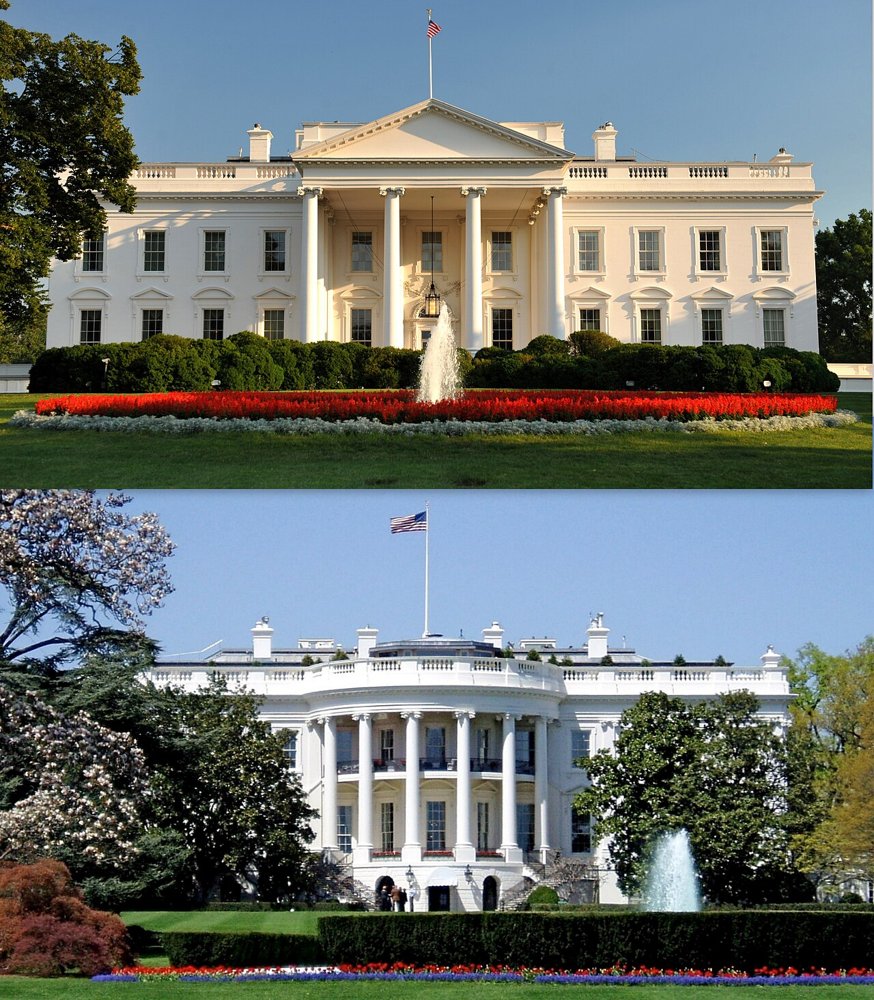
President Donald Trump announced that CNN, MS NOW and Politico would be banned from the White House, saying the outlets spread “fake news” and cover him unfairly. By Saturday, MS NOW said its White House correspondent’s badge had been disabled and confiscated and that a photographer was denied entry.
The First Amendment protects freedom of the press, and government restrictions based on the viewpoint of published coverage face especially serious legal scrutiny. Once access is offered to a class of journalists, excluding particular outlets as punishment for critical reporting can amount to viewpoint discrimination.
Press access may be regulated under neutral rules
The White House may use neutral security, space and conduct rules. Courts have also recognized due-process requirements when hard passes are suspended. What the government generally may not do is use official access to reward favorable coverage and penalize unfavorable coverage.
The administration says the targeted organizations are dishonest and argues that access to the president is a privilege rather than an unlimited right. CNN called the decision illegal, while press-freedom organizations said the public—not the president—should decide which reporting to trust.
The enforcement will matter in court
Associated Press reported the announcement and constitutional objections on September 18, 2026. A related AP follow-up documented the first denied access on September 19.
Presidents may criticize journalism, and journalists may criticize presidents. The unresolved legal question is whether the government may convert that disagreement into selective denial of official access.
Facts first. Side-eye included.
DJF separates what is confirmed from what is claimed—and tells you why this particular mess is worth your time.

Dana Side-Eye
Receipts, Rumors & Internet NonsenseDana reads the fine print, checks the timeline, and keeps one eyebrow permanently raised. She covers viral claims, internet pile-ons, and suspiciously convenient explanations.
“Screenshots are forever. So is the side-eye.”