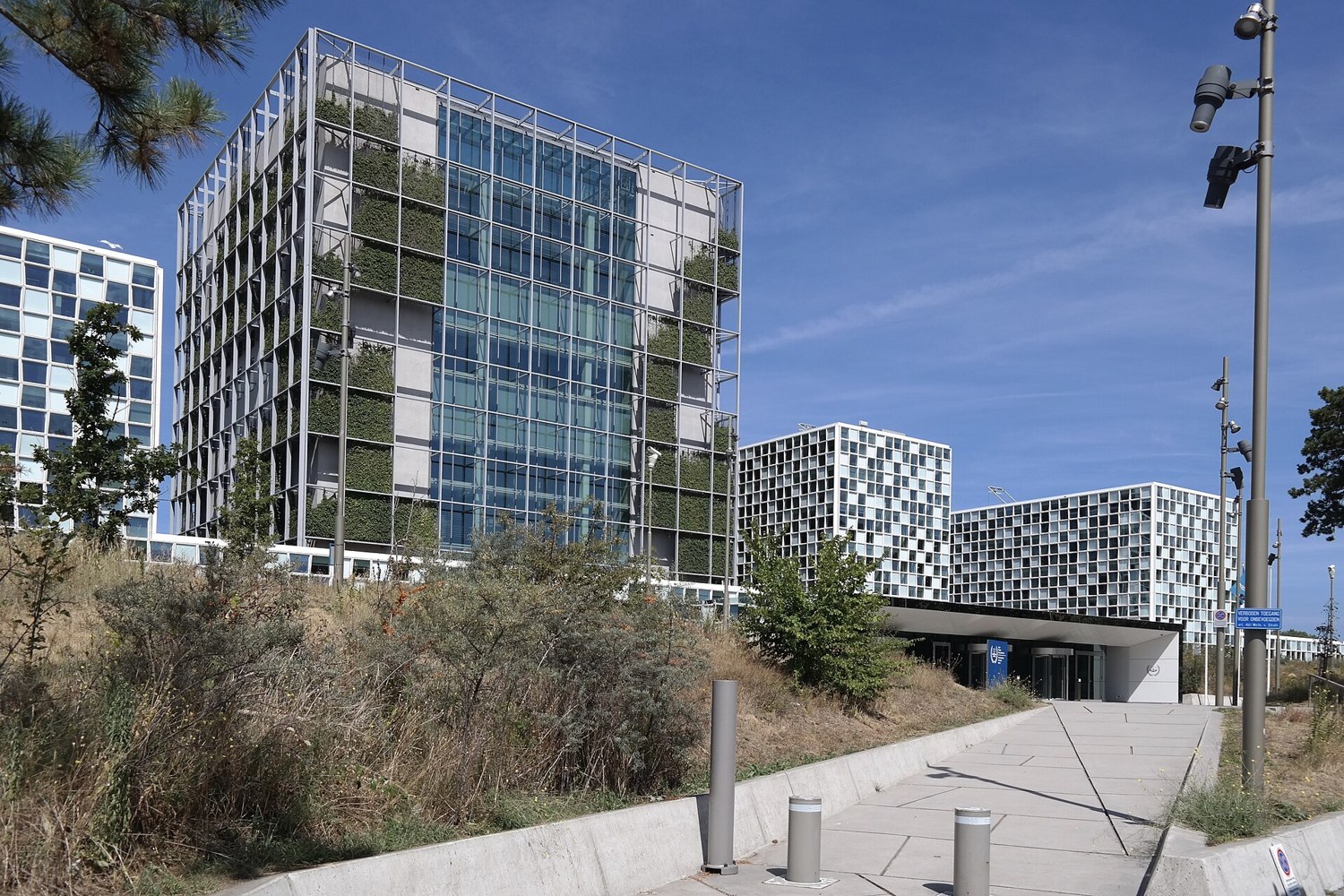
The Trump administration has announced sanctions against the International Criminal Court as an institution, escalating a long-running fight with the tribunal that investigates genocide, war crimes and crimes against humanity. Secretary of State Marco Rubio said the United States never joined the court and would not accept its authority over Americans. Washington has now responded to a court it rejects by reaching for the global financial system it very much controls. Subtlety packed a bag and moved to The Hague.
The sanctions block ICC assets subject to U.S. jurisdiction and give American companies and individuals a wind-down period for covered business. The precise consequences will depend on implementation, but institutional sanctions can complicate banking, technology services, travel and ordinary administration far beyond the officials directly targeted.
The ICC was created by the Rome Statute and began work in 2002. More than 120 countries are members. The United States is not, and successive U.S. administrations have argued over how much cooperation to provide. That legal fact does not make the court imaginary; it explains the jurisdictional dispute at the center of the confrontation.
Supporters of the sanctions argue that the court has overreached and threatens U.S. sovereignty. Critics say the move punishes an independent institution for investigating powerful states and may obstruct cases involving atrocities elsewhere. Both claims should be judged through law and evidence, not by treating every international institution like a restaurant that forgot the president’s reservation.
The European Union called the new action regrettable. The dispute is likely to affect allies that support the ICC while maintaining close security ties with Washington. It may also create practical problems for vendors, lawyers and civil-society groups whose work touches the court, whether or not they share every prosecutorial decision.
This is not a ruling that the ICC acted lawfully or unlawfully in any particular case. It is an executive measure designed to isolate the court financially. The next consequential questions are how broadly U.S. agencies enforce it, how allies respond and whether litigation follows. Global justice was already complicated. Now it also needs someone to read the sanctions FAQ.
Sources and image information
The Guardian live report, Oct. 9–10, 2026: https://www.theguardian.com/us-news/live/2026/oct/09/pentagon-fort-hood-livestream-firing-squad-execution-reaction-backlash-pete-hegseth-donald-trump-mussolini-latest-news-updates; International Criminal Court: https://www.icc-cpi.int/
Photograph: Choinowski; CC BY-SA 4.0. Original file and rights record: Wikimedia Commons.

Facts first. Side-eye included.
DJF separates what is confirmed from what is claimed—and tells you why this particular mess is worth your time.