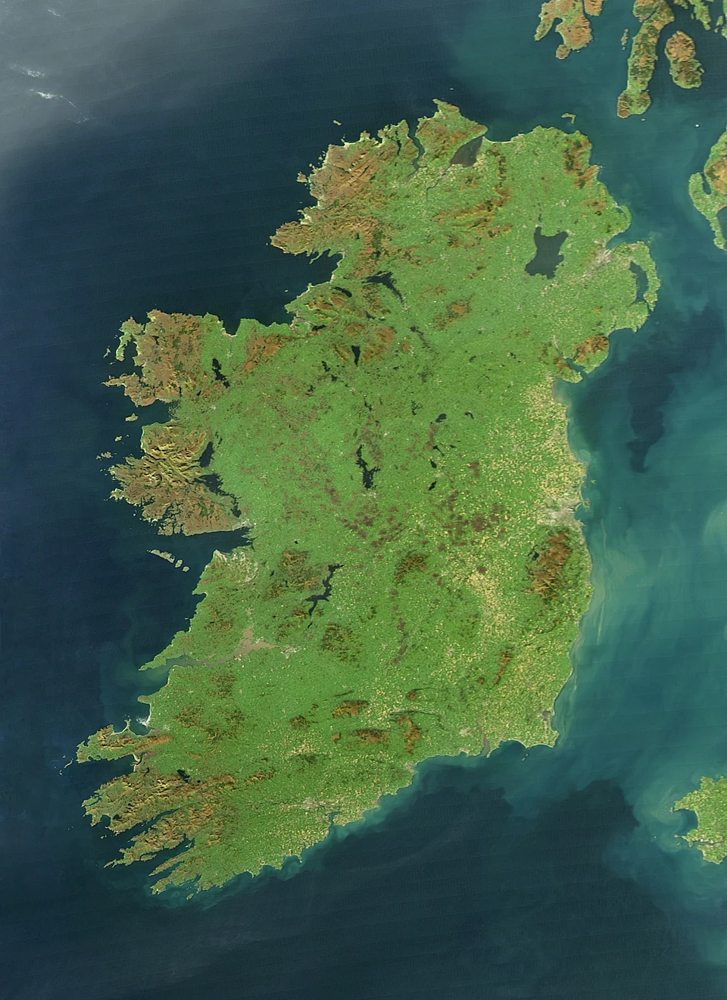
During a visit to his Doonbeg golf property, President Donald Trump said a unified Ireland would be “fantastic.” It was the kind of sentence that sounds breezy beside a golf cart and lands like a diplomatic grenade in a region where every word carries a century of receipts.
Unification is not a branding exercise
Northern Ireland remains part of the United Kingdom. The 1998 Good Friday Agreement created a peaceful democratic route to change that status if majority support develops. That framework helped end decades of conflict known as the Troubles, and leaders generally treat the subject with deliberate care.
Supporters of Irish unity see demographic, political and economic changes moving the possibility closer. Unionists identify as British and strongly oppose being transferred into another state. A referendum would require sustained public evidence, detailed planning and consent—not a visiting president’s compliment.
Politics and private business share a tee time
The visit also revived criticism of Trump mixing presidential attention with family-owned properties. Eric Trump defended the resort’s economic contribution, while protesters objected to the disruption and the president’s policies.
Gen X remembers when “Irish politics” in American conversation often meant somebody playing U2 too loudly on Saint Patrick’s Day. The actual constitutional issue deserves more seriousness. AP’s report notes that the peace agreement provides the lawful mechanism for any future vote. “Fantastic” is an opinion. Peace, consent and workable policy are the assignment.
Facts first. Side-eye included.
DJF separates what is confirmed from what is claimed—and tells you why this particular mess is worth your time.

Dana Side-Eye
Receipts, Rumors & Internet NonsenseDana reads the fine print, checks the timeline, and keeps one eyebrow permanently raised. She covers viral claims, internet pile-ons, and suspiciously convenient explanations.
“Screenshots are forever. So is the side-eye.”