Developing report and analysis · October 26, 2026
Unverified details: We have not independently authenticated the reported text message, the full air-traffic-control recording or online passenger accounts about boarding and removals. A reported threat is not proof of an attempted hijacking.
United Flight 1681 returned to Las Vegas on Saturday night after a reported passenger disturbance. That return is supported by local reporting citing the airline, airport and Federal Aviation Administration. The more dramatic account now circulating—that a flight attendant saw a passenger texting about hijacking—is a reported claim with important details still unresolved.
In an October 25 report, FOX5 said the Las Vegas-to-Newark flight returned safely around 11:05 p.m. United described a potential security concern. The Boeing 737 carried 150 passengers and six crew members, and officials reported no injuries.
What is established—and what was added Monday
FOX5 attributed the safe return and an investigation to the FAA’s preliminary statement. United told the station that crew time limits delayed the flight overnight before it departed for Newark the following morning. The incident date was October 24; this was not a new emergency flight on Monday.
A Monday report by Gary Leff at View from the Wing describes a recording in which a pilot relays a flight attendant’s account of seeing a hijacking-related text. It also collects online passenger claims offering different descriptions of what happened.
We have not established who wrote any message, what its full context was or whether police substantiated a criminal threat. Nor have we verified the online claim that someone boarded without a ticket. Those points must remain attributed and unverified rather than becoming facts through repetition.
Analysis: a safe return is not an internet verdict
The account is unusual enough to warrant attention. It also illustrates how quickly a limited official description can acquire a much more specific storyline online. Once the word “hijacking” arrives, an ordinary qualification has to shout to be heard over it.
Different accounts should prompt questions, not a choose-your-own-conspiracy exercise. A person describing what a crew member said is not the same as an investigator establishing what occurred. Even an authentic recording of a pilot relaying a concern would establish that the concern was communicated; it would not, by itself, prove the passenger’s intent.
That distinction leaves plenty to follow. A law-enforcement account, any documented charges and additional statements from the airline or FAA could clarify the story. Until then, the sensible headline ends with the aircraft’s safe return and the unanswered questions—not with an unsupported declaration that a hijacking was attempted or thwarted.
Air travel already gives people enough material for an argument. We do not need to invent a suspect’s motive to make this one worth reading.
Follow Current News for further documented developments.
Photograph and credit
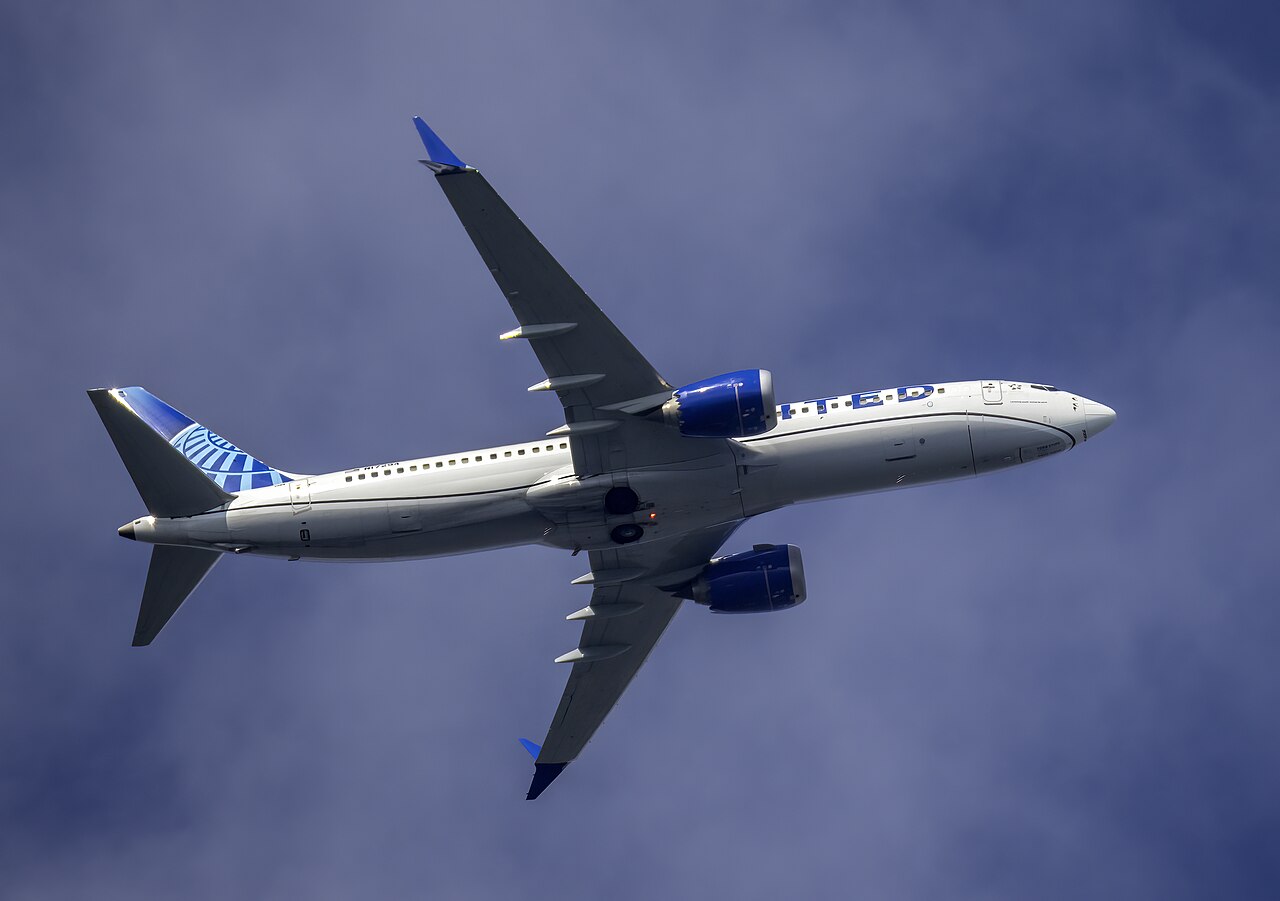
Representative file photograph: United Airlines Boeing 737 MAX 8 N17294 approaching Washington Dulles over Maryland, July 25, 2025. This photograph does not depict Flight 1681 or its October 2026 return to Las Vegas. Photo: Acroterion/Wikimedia Commons, CC BY-SA 4.0; resized for display. Photograph and source record · CC BY-SA 4.0. The resized photograph remains available under that license.

Editorial note: This article draws on the linked sources and may include clearly labeled opinion or unconfirmed reports. We have not independently verified every source claim. Publication does not establish an unconfirmed claim as fact; developing details may change.
Facts first. Side-eye included.
DJF separates what is confirmed from what is claimed—and tells you why this particular mess is worth your time.