Strange news and analysis · October 26, 2026
A court in Victoria, Australia, has rejected a prisoner’s challenge to a Vegemite ban. Yes, the breakfast spread. The jar with the yellow lid has made it further into constitutional-adjacent conversation than most of the food in your refrigerator.
According to ABC Australia’s October 26 court report, Justice Claire Harris rejected Andre McKechnie’s bid to obtain the spread in Victoria’s prisons. McKechnie argued that denying it infringed his ability to enjoy Australian culture and affected his wellbeing.
A cultural connection did not win the case
The judge accepted that the food could be associated with Australian culture. ABC reports that she nevertheless rejected the challenge, including the argument that the prison’s obligation to provide food for health and wellbeing required supplying this particular culturally significant product.
That is narrower than declaring food irrelevant to culture, or announcing that prisoners have no rights. The decision concerns a specific challenge to a specific restriction. We have reviewed the published reporting, not the complete judgment, and are not presenting this as a comprehensive account of Australian prisoners’ legal rights.
The detection-dog argument needs its own label
Corrections Victoria’s case included concerns about illicit alcohol production and interference with drug-detection dogs. Those are the authorities’ stated reasons, not experiments conducted by this website. ABC also interviewed criminologist Nathan Ryan, who disputed the suggestion that Vegemite would readily mask contraband from trained dogs.
A rejected court challenge does not settle every scientific claim made along the way. Readers should not turn a reported security concern into instructions for defeating detection dogs—or a declaration that it works. The competing views deserve to remain attached to the people making them.
Analysis: breakfast, meet bureaucracy
The story is funny because of the collision in scale: an everyday jar of spread and the machinery of a Supreme Court. Most of us have strong breakfast preferences. Very few of us will ever require those preferences to survive judicial scrutiny.
But there is a useful distinction underneath the absurdity. Something can carry personal and cultural meaning without every institution being required to supply it. Conversely, losing a challenge does not mean a person’s attachment to that food was invented. Those propositions can coexist without turning toast into a referendum on someone’s humanity.
The temptation is to reduce the whole thing to a sneering headline and move on. The better version keeps the actual outcome, the argument and the disputed security rationale separate. Then we can appreciate the extraordinary administrative journey of a grocery item without pretending the ruling decided more than it did.
For now, the challenge has failed. Somewhere, a perfectly ordinary breakfast has acquired a much longer paper trail than it ever needed.
More Strange News, where reality continues to outsource nothing.
Photograph and credit
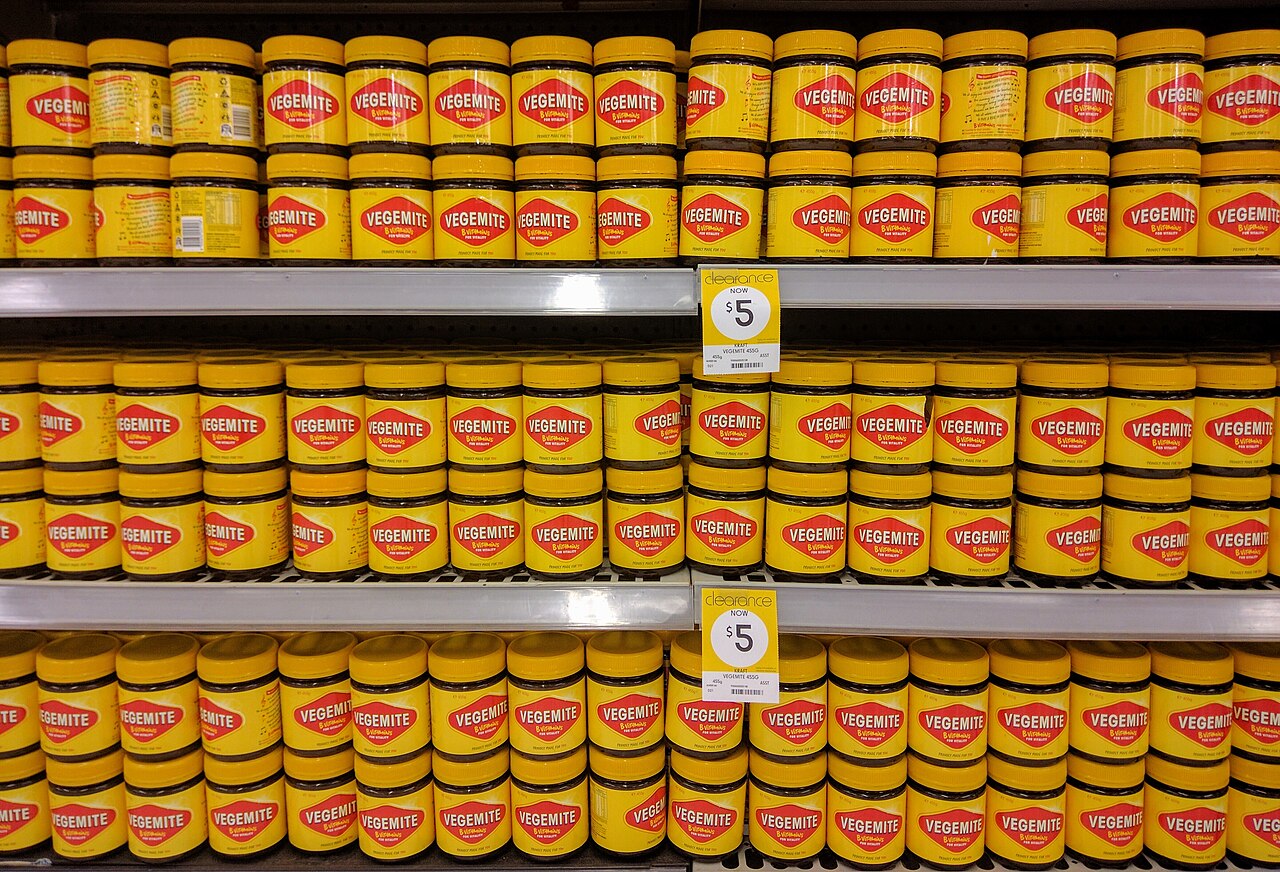
Representative file photograph: jars of Vegemite on a store shelf, photographed February 11, 2017. This is not a prison, court exhibit or photograph of the October 2026 proceedings. Photo: Maksym Kozlenko/Wikimedia Commons, CC BY-SA 4.0; resized for display. The price labels are historical, not current prices. Original photograph and rights record · CC BY-SA 4.0. The resized photograph is available under the same license.

Editorial note: This article draws on the linked sources and may include clearly labeled opinion or unconfirmed reports. We have not independently verified every source claim. Publication does not establish an unconfirmed claim as fact; developing details may change.
Facts first. Side-eye included.
DJF separates what is confirmed from what is claimed—and tells you why this particular mess is worth your time.