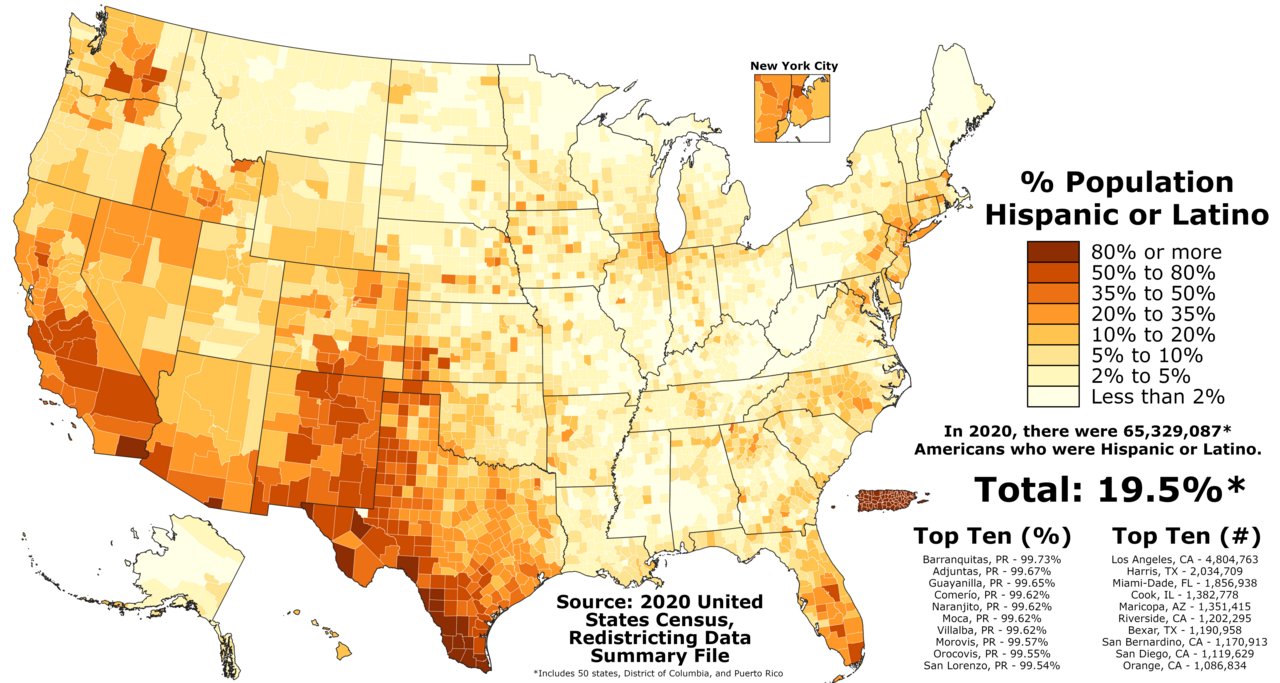
National Hispanic Heritage Month began Tuesday and runs through October 15, a calendar arrangement that has confused generations of students trained to believe every commemorative month must begin on day one. This one starts in the middle for a reason, and no, the government did not simply lose the first two weeks behind a filing cabinet.
The date connects several national histories
September 15 is the independence anniversary for Costa Rica, El Salvador, Guatemala, Honduras and Nicaragua. Mexico and Chile mark their independence celebrations shortly afterward. The U.S. observance intentionally spans those dates.
What began as Hispanic Heritage Week in 1968 expanded to a month in 1988. Today the celebration recognizes communities with roots across Spain, Mexico, the Caribbean and Central and South America. More than 70 million Hispanic people live in the United States, representing an enormous range of races, national origins, languages, traditions and political views.
No single label contains everyone
The Associated Press published an explainer on September 15, 2026 describing the history of the observance and the continuing conversation around terms such as Hispanic, Latino and Latinx.
Those words overlap, but they are not interchangeable for every person. “Hispanic” generally emphasizes connection to Spanish language or culture, while “Latino” often points toward geographic roots in Latin America. Individual preference matters more than any tidy vocabulary chart.
Culture is more than a themed menu
Gen X grew up with corporate heritage celebrations that sometimes meant a poster in the break room and one day of cafeteria tacos. A meaningful month goes deeper: labor history, music, literature, migration, civil rights, military service, entrepreneurship and the local communities that have shaped the country for generations. Celebrate the art and food, absolutely. Then stay for the history that explains why those cultures are woven into America rather than visiting it for thirty days.
Facts first. Side-eye included.
DJF separates what is confirmed from what is claimed—and tells you why this particular mess is worth your time.

Max Rewind
Gen X Files & Pop-Culture ArchaeologyMax remembers when television ended at midnight, concert tickets were affordable, and nobody called a reboot “content.” He digs through the culture we survived.
“Rewind it, verify it, and please stop remaking everything.”