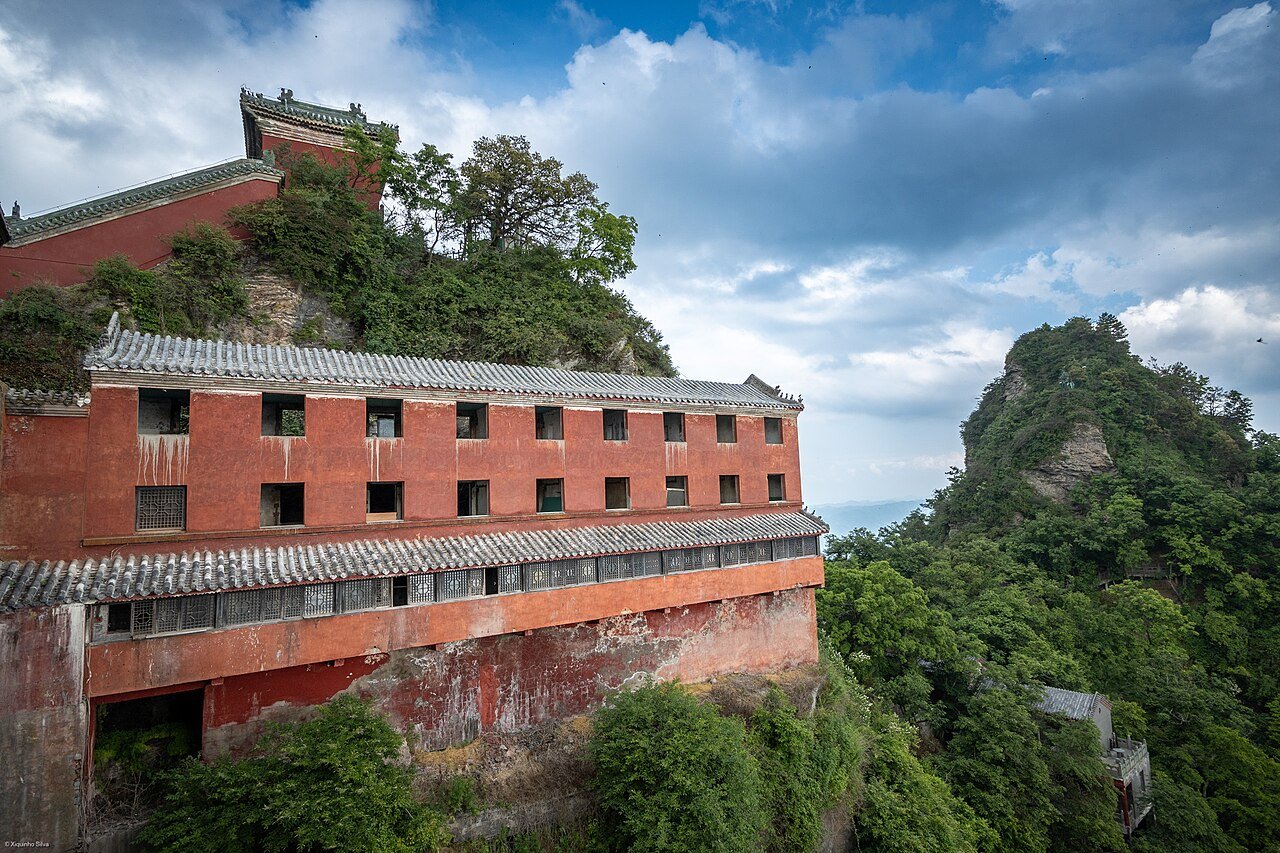
Visitors climb China’s Wudang Mountains for prayer, Taoist tradition, martial-arts history and photographs spectacular enough to make the group chat briefly spiritual. The sacred and the scenic have shared space for centuries; smartphones merely added a charging problem.
At temples across the mountain complex, pilgrims offer incense and prayers while tourists move through courtyards, stairways and dramatic peaks. Some seek blessings or a deeper connection to Taoist practice. Others seek the view. Many arrive with room for both.
A living religious landscape
Wudang is closely associated with Taoism and with traditions surrounding the deity Zhenwu. Its temples and monasteries reflect centuries of imperial support, religious practice and architecture adapted to the mountain terrain.
The site is also famous for martial arts that emphasize control, balance and internal discipline. Popular culture has turned that heritage into global imagery, sometimes compressing complicated religious history into a few elegant movie poses.
Tourism preserves and pressures
Large crowds can bring money for conservation and local livelihoods, but they also test the quiet, physical fabric and religious character of sacred sites. Managing Wudang means allowing access without reducing worship to scenery between souvenir stalls.
Recent reporting from the Wudang Mountains described the mix of pilgrims, worshippers and sightseers.
The mountain does not require every visitor to arrive for the same reason. Its challenge is older than social media: making room for wonder without letting consumption become the only ritual left.
Facts first. Side-eye included.
DJF separates what is confirmed from what is claimed—and tells you why this particular mess is worth your time.