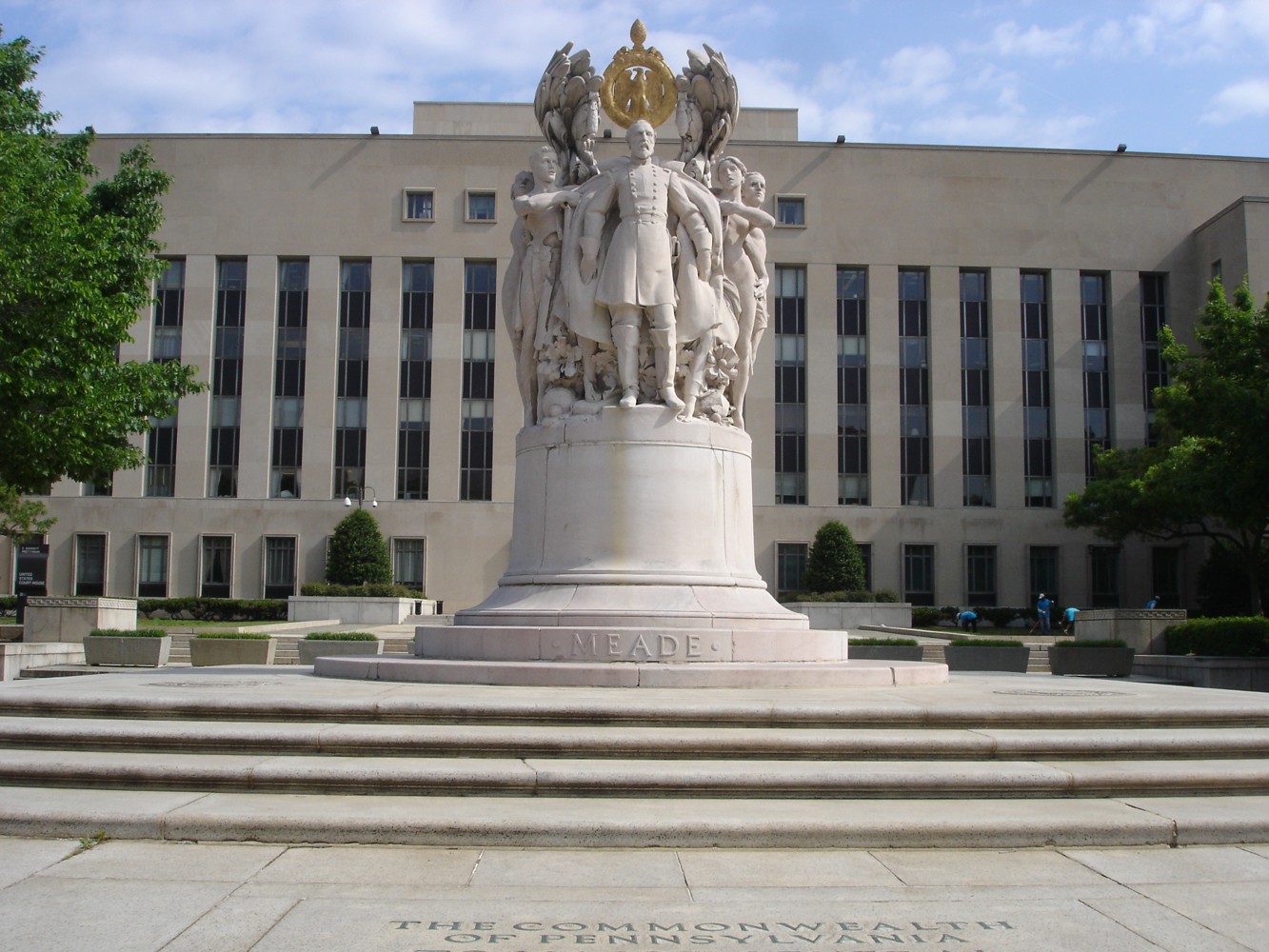
The Susman Godfrey disqualification request has been denied. In an October 16 opinion, U.S. District Judge Amir H. Ali allowed the firm to continue representing the American Bar Association in its lawsuit against federal agencies and officials. The government argued that the representation ran into the professional rule concerning lawyers who may also be necessary trial witnesses.
The court found the government had not established that the lawyers handling this case were likely necessary witnesses. Discovery involving communications about a law firm did not, by itself, establish that proposition about its current trial advocates. The opinion also explains that the rule would not automatically disqualify the entire firm even if a particular lawyer became a witness.
The ABA’s underlying suit alleges a coordinated policy of punishing firms and lawyers for disfavored speech. Those are the plaintiff’s allegations, not findings newly established by this representation ruling. Susman Godfrey separately obtained an injunction against an executive order targeting it; Reuters reports that appeal remains pending.
Analysis: choosing the lawyers who can remain in a case is a consequential procedural question. It can affect continuity, preparation and a client’s ability to pursue its claims. But winning that question does not mean winning the underlying lawsuit. Calling this a final judgment on the whole law-firm dispute would be like announcing the game over because the referee rejected a request to replace the opposing coach.
The useful distinction is between a firm appearing somewhere in the evidence and a particular advocate being needed to give testimony. The order requires the government to connect those dots rather than treating the firm’s involvement as a universal eject button. Rules governing courtroom roles have a purpose; they also have a threshold. An allegation of conflict does not get to skip the threshold because the surrounding politics are loud.
For now, the ABA keeps its chosen counsel in this case. The larger claims and separate appellate proceedings have their own paths. That is a concrete result, with concrete limits. The next development should be another identifiable ruling or filing, not this same motion dressed up tomorrow as a brand-new constitutional finale.
Sources and photograph
District court, October 16 opinion and order, document 86. Reuters, Mike Scarcella, October 16.
File photograph of the Washington federal courthouse in 2007; not the lawyers or October 2026 proceedings. Photo: Jorfer; Public domain. Display copy resized. Original photograph and rights record. Image-use terms.

More from this Daily Junk Food section.
Facts first. Side-eye included.
DJF separates what is confirmed from what is claimed—and tells you why this particular mess is worth your time.

Dana Side-Eye
Receipts, Rumors & Internet NonsenseDana reads the fine print, checks the timeline, and keeps one eyebrow permanently raised. She covers viral claims, internet pile-ons, and suspiciously convenient explanations.
“Screenshots are forever. So is the side-eye.”