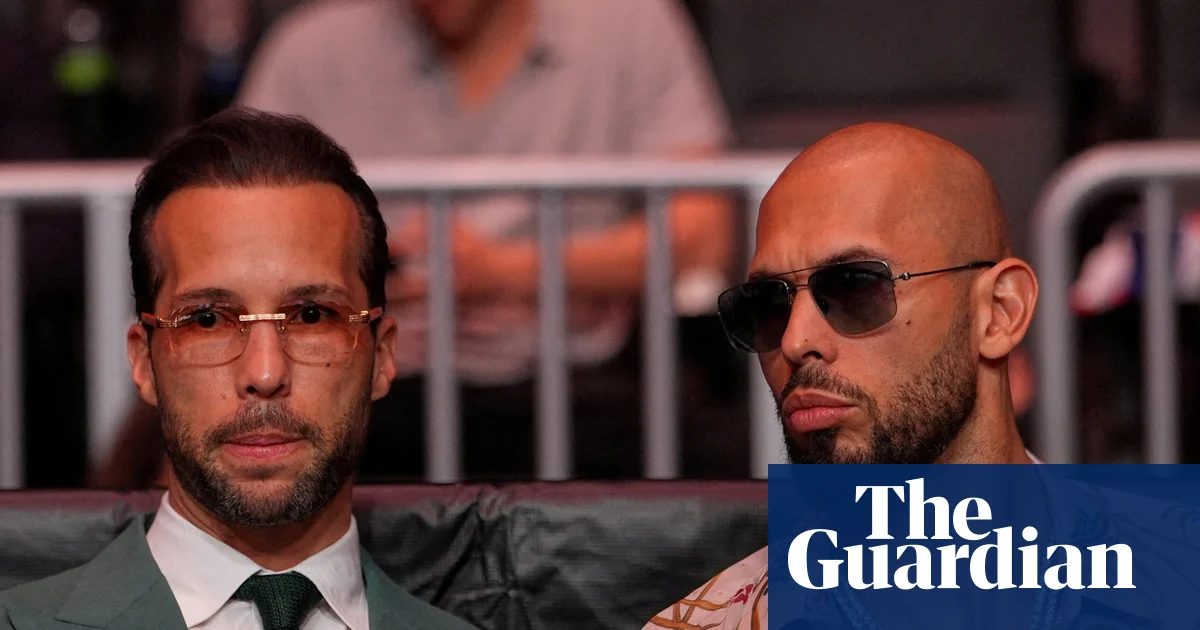
Andrew and Tristan Tate will remain in federal custody in Miami while they fight extradition to the United Kingdom. A judge cited flight risk in denying release, adding another legal front to the brothers’ years-long series of criminal investigations and court proceedings.
Britain is seeking both brothers
British authorities want Andrew Tate extradited to face accusations including rape and human trafficking. Tristan Tate also faces allegations connected to the case. Both men deny wrongdoing and have described the prosecutions against them as politically motivated.
The brothers, dual U.S.-British citizens who built enormous online followings around hypermasculine content, have also faced proceedings in Romania. An extradition hearing in the United States will determine whether the British request satisfies the legal requirements for transfer; it will not decide guilt or innocence.
Internet fame does not simplify a courtroom
The case draws attention because the Tates turned provocation into a global business. That visibility does not change the legal standard. Prosecutors must support their extradition request, defense lawyers can challenge it and the underlying allegations must be tested in the proper court.
It is important to use precise language here: these are allegations, the defendants deny them and no headline should pretend an extradition hearing is a trial verdict.
The immediate development is narrower. The judge concluded that detention was warranted while the case proceeds. The brothers remain in Miami custody, and the legal process—less cinematic than the online mythology surrounding them—moves to its next scheduled stage.
Facts first. Side-eye included.
DJF separates what is confirmed from what is claimed—and tells you why this particular mess is worth your time.

Dana Side-Eye
Receipts, Rumors & Internet NonsenseDana reads the fine print, checks the timeline, and keeps one eyebrow permanently raised. She covers viral claims, internet pile-ons, and suspiciously convenient explanations.
“Screenshots are forever. So is the side-eye.”