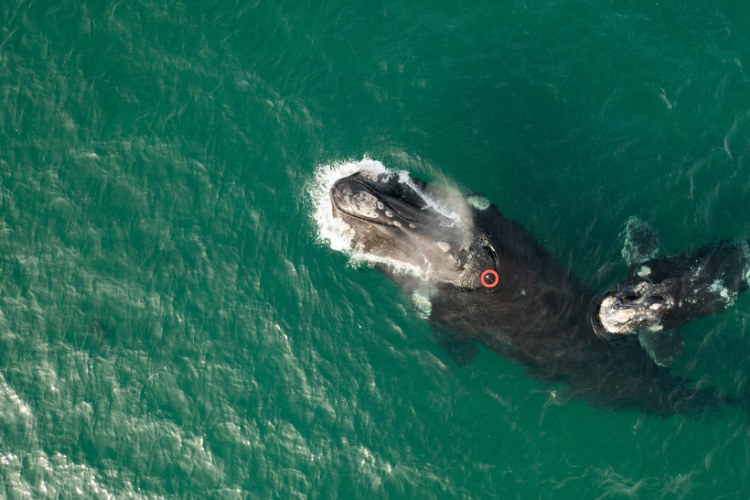
Researchers are investigating an unusual cluster of southern right whale calf deaths near Argentina’s Península Valdés.
A disturbing pattern on the Patagonian coast
Dozens of southern right whale calves have washed ashore dead near Argentina’s Península Valdés, one of the species’ most important breeding grounds. Scientists who have monitored the population for more than two decades say the number and pattern demand investigation.
Bacteria are one leading possibility
Researchers are testing whether bacterial infections entered through wounds caused by kelp gulls. The birds land on whales and peck at their skin, and calves are less able than adults to avoid repeated attacks. Samples are being analyzed, so infection remains a hypothesis rather than a confirmed cause.
Environmental change may be part of the picture
Teams are also examining whether warmer water, food conditions and climate patterns increased vulnerability. Whale deaths rarely arrive with one convenient villain. Disease, nutrition, injuries and environmental stress can interact, because nature apparently also enjoys assigning group projects with no clear manager.
The population had been recovering
Southern right whales were hunted nearly to collapse before international protections allowed their numbers to rebound. Península Valdés became a celebrated recovery site. A sustained rise in calf mortality could slow that progress even if adult numbers remain comparatively strong.
The responsible answer is still investigation
Researchers have not established a final cause or shown that every calf died from the same factor. The work now involves necropsies, microbiology and long-term population data. The emotional headline is obvious; the scientific conclusion still has to earn its way through evidence.
Sources: Original reporting and source context.
Facts first. Side-eye included.
DJF separates what is confirmed from what is claimed—and tells you why this particular mess is worth your time.