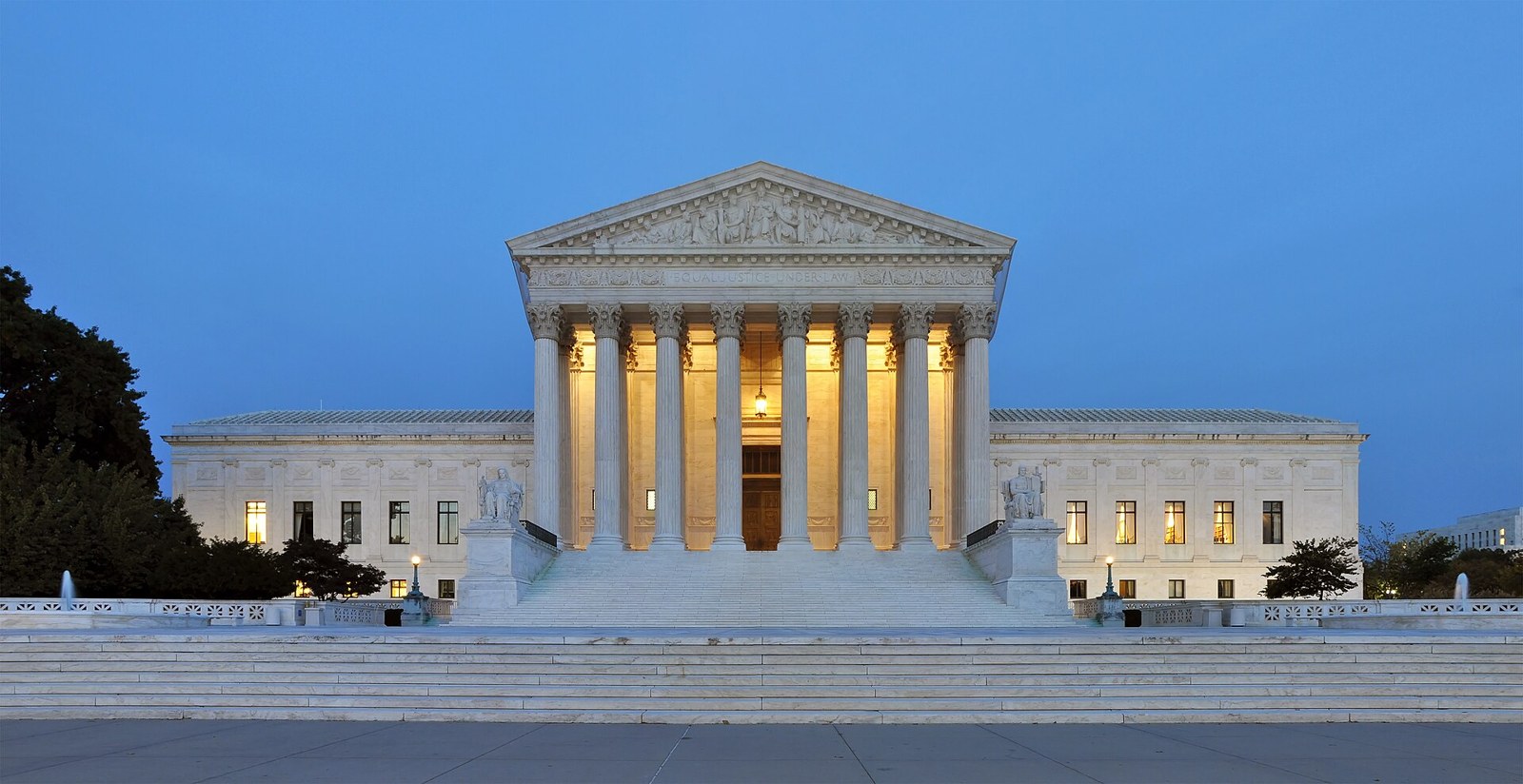
The Supreme Court will hear a Kentucky church’s claim that zoning rules unlawfully blocked its planned Virgin Mary shrine on residential land.
A shrine reaches the highest court
The U.S. Supreme Court has agreed to hear a dispute involving the Missionaries of Saint John the Baptist, a Kentucky church that wants to build a Marian shrine on residential property beside its existing grounds. Local zoning authorities said the proposed use is not allowed on that parcel. The church says federal religious-land protections should override that result. Nothing says spiritual pilgrimage like several years of litigation about permitted land use.
The church invokes federal protection
The congregation relies on the Religious Land Use and Institutionalized Persons Act, known as RLUIPA. That law bars governments from imposing a substantial burden on religious exercise through land-use rules unless officials satisfy a demanding legal test. The church argues Kentucky courts interpreted the protection too narrowly.
Neighbors have practical objections
A nearby family opposed the project, citing traffic and the residential character of the area. They argue the congregation knew about the zoning limits when it bought the land and could place the shrine on property already zoned for church use. Those claims are contested and have not been finally resolved by the U.S. Supreme Court.
The legal question travels beyond Kentucky
Religious institutions regularly encounter zoning fights involving expansions, shelters, schools and worship spaces. The justices’ treatment of what counts as a substantial burden could influence those disputes nationwide. The case therefore concerns more than one statue or one neighborhood road.
Arguments come later
The court has accepted the case but has not ruled for the church. Briefing and oral argument will follow in the coming months. Until then, the verified fact is a granted appeal—not a constitutional miracle, divine building permit or celestial override of the planning commission.
Sources: Original reporting and source context.
Facts first. Side-eye included.
DJF separates what is confirmed from what is claimed—and tells you why this particular mess is worth your time.