The BBC Trump deposition dispute is now a court-scheduling fight inside the president’s $10 billion defamation case against the broadcaster. AP reported October 15 on the BBC’s request to make Trump provide testimony. The underlying motion was filed October 13, according to Law&Crime. This is current coverage of that request, not a claim that a judge has already ordered a new deposition date.
The case concerns a Panorama documentary’s editing of Trump’s January 6, 2021, speech. The BBC acknowledged that excerpts from separate parts were joined; Trump alleges the edit defamed him. Acknowledging an edit and conceding legal liability are different things. The lawsuit’s merits remain separate from whether a party must cooperate with discovery.
Law&Crime reports that the BBC says the parties had worked toward an October 16 deposition before Trump’s lawyers said he would not be available. The broadcaster argues that waiting beyond the December 18 discovery deadline would prevent essential questioning. These are the BBC’s representations about the scheduling history and its requested remedy, not findings that every contested assertion has been proved.
The request also proposes arranging a secure location and logistics for a sitting president. That detail matters because the issue is not whether presidential responsibilities exist. It is how the litigation can proceed while accommodating them. A scheduling conflict can require practical adjustments without turning the entire discovery process into a permanent “please hold” message.
Analysis: filing a civil lawsuit invites more than an opportunity to make an accusation. The other side gets a process for examining the evidence and testing the claim. A plaintiff’s own knowledge can be central to that task. The basic tension here is therefore understandable without pretending that a deposition is a punishment or a verdict.
It is also premature to announce dismissal or sanctions. The BBC’s discussion of possible consequences is advocacy for action; a court would have to decide any requested relief. Readers should look for the actual order and its terms. A lawyer citing what could happen does not mean that it has happened, no matter how enthusiastically a headline reaches for the past tense.
The next consequential development is the court’s response to the discovery dispute, including any date or conditions it sets. For now, the BBC wants a workable commitment to testimony, while the defamation claim continues. The opening credits were a very large damages demand. The less cinematic part involves calendars, sworn answers and the obligation to show up.
Sources and photograph
Associated Press, October 15, 2026. Law&Crime, Matt Naham, October 13 filing coverage. BBC motion, as linked in filing coverage.
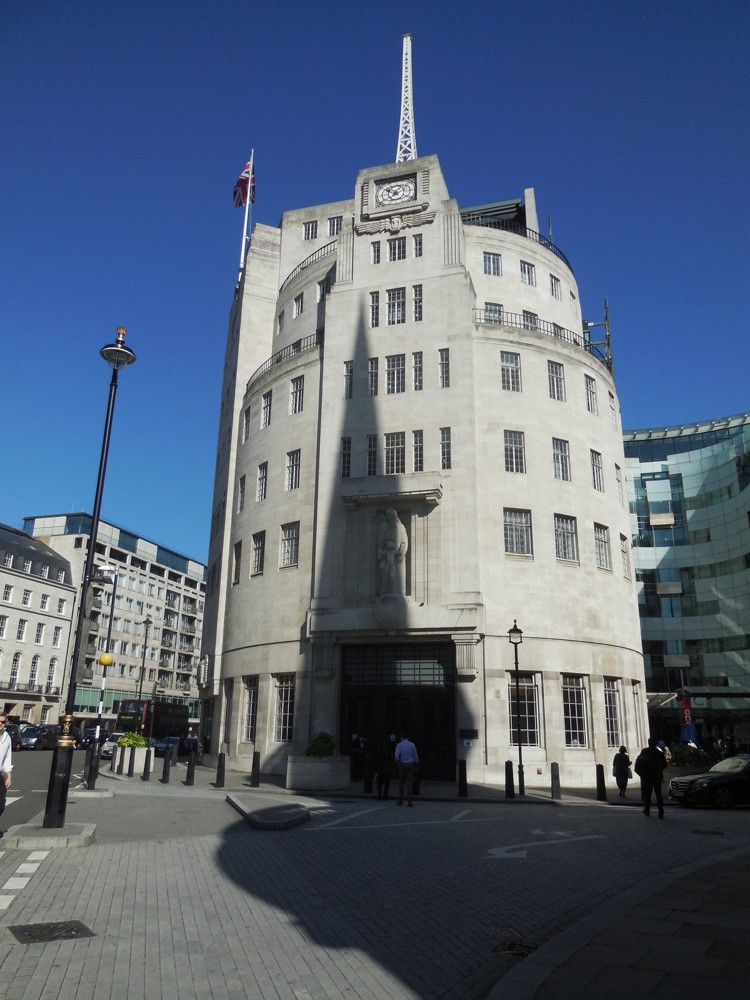
File photograph of BBC Broadcasting House; not the Florida court, a deposition or the documentary at issue. Photo: Paul Gillett; CC BY-SA 2.0. Display copy resized. Original photograph and rights record. Image-use terms.

More from this Daily Junk Food section.
Facts first. Side-eye included.
DJF separates what is confirmed from what is claimed—and tells you why this particular mess is worth your time.

Dana Side-Eye
Receipts, Rumors & Internet NonsenseDana reads the fine print, checks the timeline, and keeps one eyebrow permanently raised. She covers viral claims, internet pile-ons, and suspiciously convenient explanations.
“Screenshots are forever. So is the side-eye.”