New reporting on October 14 adds a disturbing emergency-response chapter to Tennessee’s failed September 30 execution of Christa Pike. WPLN obtained dispatch recordings showing confusion over whether requests for an ambulance were genuine. The Christa Pike ambulance delay is now a documented communications story, rather than merely a question about what happened inside the execution chamber.
According to WPLN, nearly a dozen recordings and a transcript describe callers seeking help while prison personnel denied requesting it. Callers lacked a verification code. One dispatcher questioned whether a call was a prank. Pike remained on the gurney for roughly an hour and a half after the second drug round before an ambulance took her to hospital. A recording places the departing ambulance en route at 9:53 p.m.
Those details do not establish every person’s responsibility or explain the entire medical sequence. They do establish why an investigation cannot stop at the injection equipment. The emergency chain includes the person making the call, the person authenticating it, the person authorizing entry, and the people responsible for ensuring that all of those instructions agree. Apparently the state’s backup plan required the emergency to arrive with a password.
Analysis: a secure institution needs ways to distinguish a genuine emergency from a hoax. That requirement makes advance coordination more important, not less. If people requesting help cannot supply the required authentication and other staff contradict them, the protocol has become an obstacle at precisely the moment it should become useful. A plan that works only when nothing unexpected happens is a brochure.
The reporting leaves an important gap: what care was being provided while witnesses could no longer see the chamber. WPLN reports that Pike’s lawyers still lacked that answer. We should not fill it with imagined actions, invented conversations, or conclusions about deliberate intent. Logs, recordings, contemporaneous records, and identified testimony are the next evidence to examine.
Nothing about scrutinizing the state’s conduct erases the victim or minimizes the crime for which Pike was sentenced. The separate question is whether officials carried out their own duties competently and lawfully. That question becomes more urgent when the punishment is irreversible. Tennessee cannot treat a communications collapse as an administrative footnote because the person needing emergency care was condemned.
This is an update on newly released emergency-response evidence, not a report of a new execution date or a new final court ruling. Accountability requires the actual timeline. It also requires an answer to a very basic question: when the state discovered its planned death had become a medical emergency, who was responsible for making sure help could arrive?
Sources and photograph
WPLN, Catherine Sweeney, October 14, 2026.
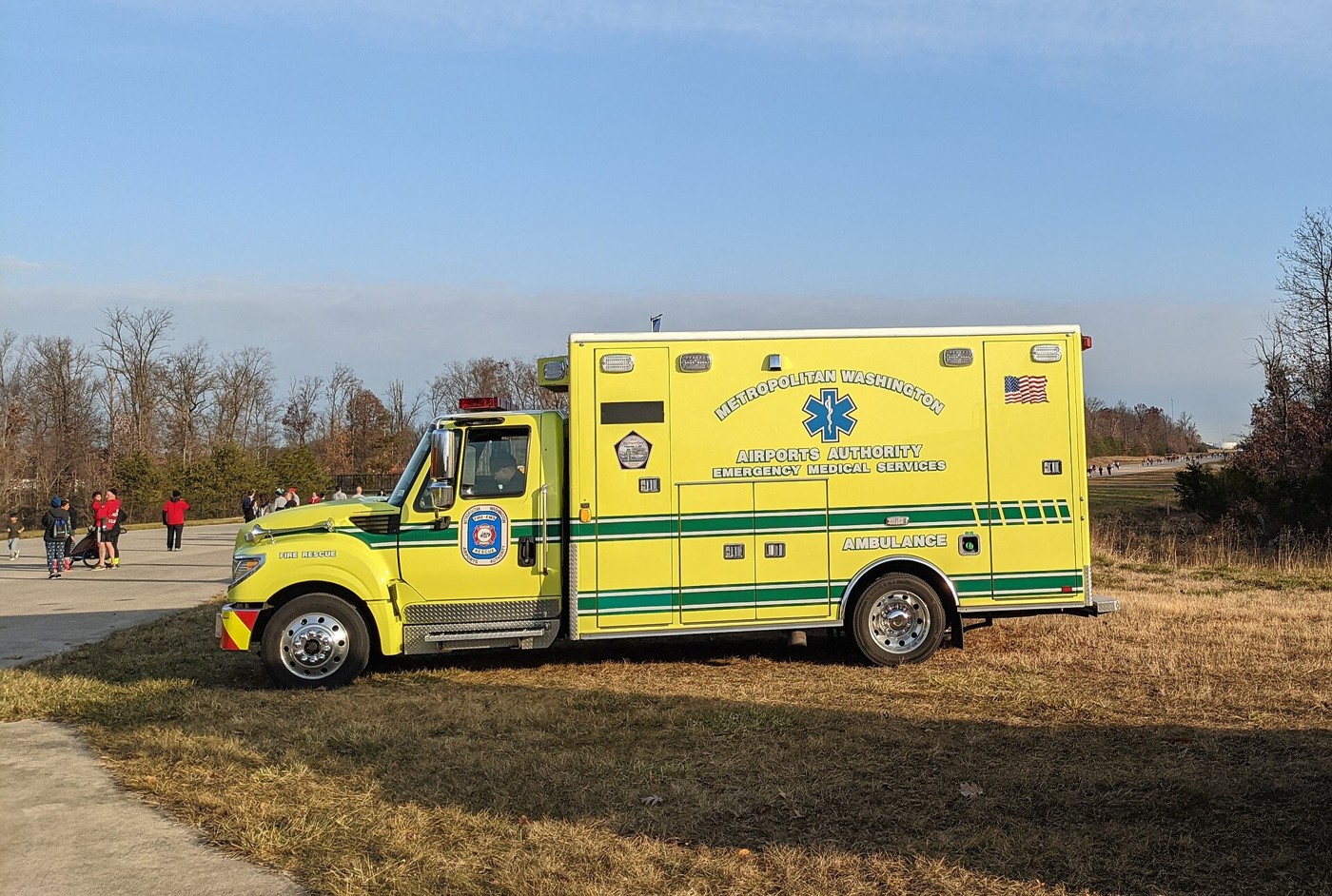
Representative ambulance photograph; not a vehicle or scene from Christa Pike’s execution. Photo: Cornellrockey; CC BY-SA 4.0. Display copy resized. Original photograph and rights record. License terms.

Read more in this Daily Junk Food section.
Facts first. Side-eye included.
DJF separates what is confirmed from what is claimed—and tells you why this particular mess is worth your time.

Dana Side-Eye
Receipts, Rumors & Internet NonsenseDana reads the fine print, checks the timeline, and keeps one eyebrow permanently raised. She covers viral claims, internet pile-ons, and suspiciously convenient explanations.
“Screenshots are forever. So is the side-eye.”