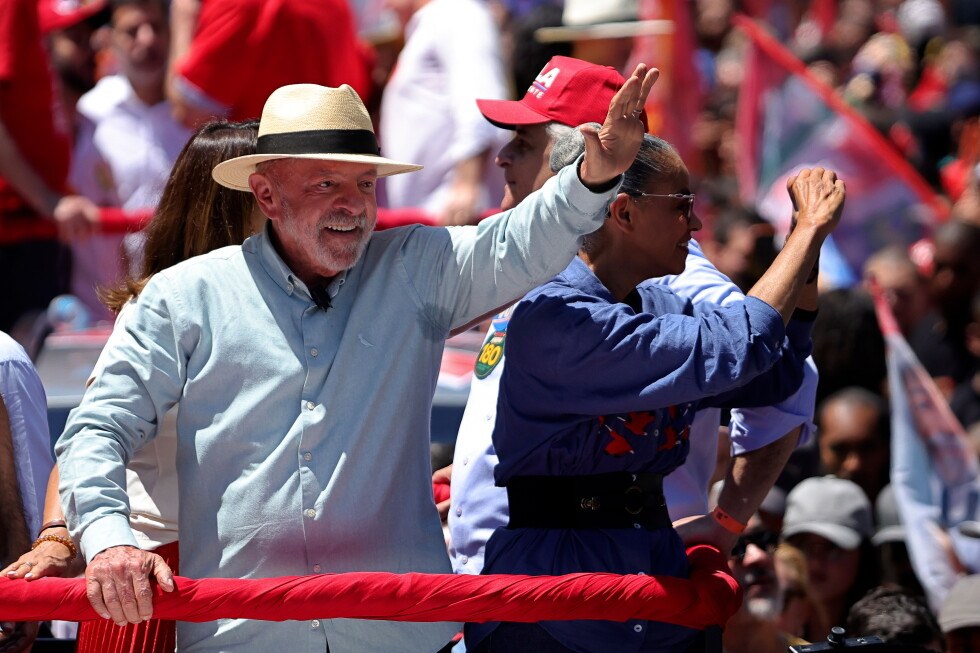
Brazil votes Sunday in a polarized presidential election led by Lula and Flávio Bolsonaro, with polls pointing toward an October 25 runoff.
The choice on the ballot
Brazil goes to the polls on Sunday, October 4, with President Luiz Inácio Lula da Silva seeking a fourth nonconsecutive term and Senator Flávio Bolsonaro trying to extend the political dynasty of his father, former president Jair Bolsonaro. Twelve candidates are listed, but the election has narrowed around these two men, because even a country of more than 200 million people can apparently be handed the same family argument with updated graphics.
A runoff looks likely
A candidate needs more than half of the valid vote to win in the first round. Surveys published October 3 put Lula narrowly ahead, but below that threshold, making an October 25 runoff the most likely next chapter. A CNT/MDA survey reported 47.8 percent for Lula and 42.1 percent for Bolsonaro among projected valid votes, with a 2.2-point margin of error. Polls are snapshots, not certified results, and Brazilians use a national electronic voting system that generally produces results within hours.
The baggage is not traveling light
Lula enters the vote with credit for earlier anti-poverty programs and criticism over living costs, crime and corruption surrounding Brazilian politics. Flávio Bolsonaro campaigns on aggressive policing and his father’s conservative legacy while facing questions about campaign money and allied scandals. Jair Bolsonaro, meanwhile, remains a force in the race despite his own conviction over efforts to overturn the 2022 election. Nothing says fresh start like carrying the entire previous season into the premiere.
Trump is in the background too
Relations with the United States have become part of the campaign. Donald Trump’s alignment with the Bolsonaro family, disputes over trade and arguments about classifying criminal groups as terrorists have given voters another layer of foreign-policy tension. Brazil’s election is domestic, but outside pressure has supplied both camps with useful villains and talking points.
What happens next
Voting is mandatory for most adult citizens, and election officials expect a large turnout. If neither frontrunner crosses 50 percent of valid votes, the campaign continues for three more weeks. The factual outcome belongs to Brazilian voters and official returns—not social-media claims, campaign confidence or whichever cousin posts an all-caps screenshot first.
Sources: Original reporting and source context.
Facts first. Side-eye included.
DJF separates what is confirmed from what is claimed—and tells you why this particular mess is worth your time.