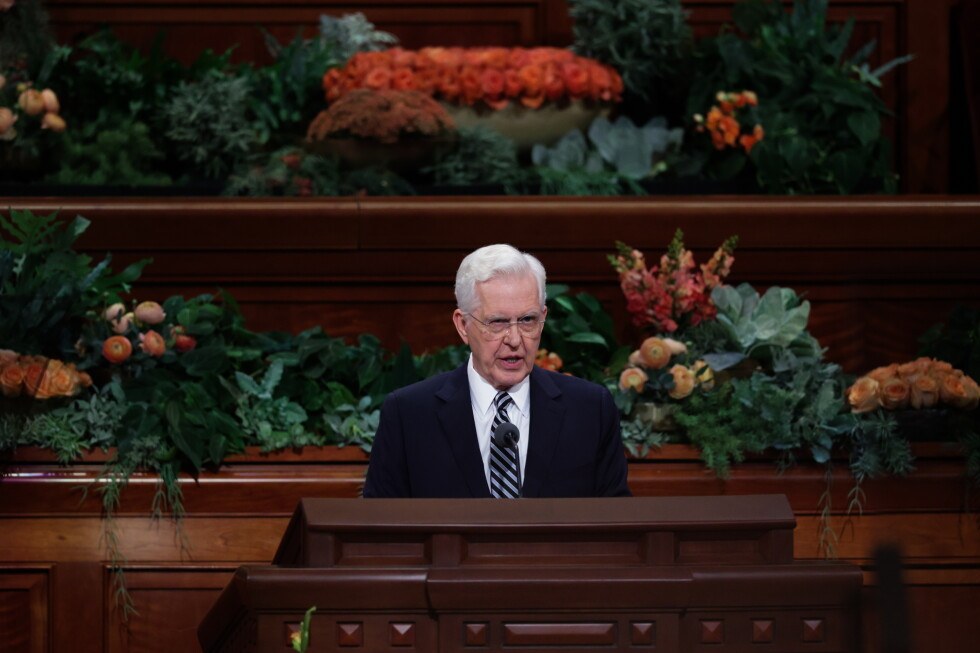
LDS leader D. Todd Christofferson used general conference to condemn sports betting and prediction markets, warning that youth are being trained to gamble.
The sermon met the sportsbook
D. Todd Christofferson, a senior leader of the Church of Jesus Christ of Latter-day Saints, used the church’s October general conference to condemn the rapid spread of online sports betting and prediction markets. His argument was moral rather than statistical: gambling encourages greed, delivers nothing of lasting value and increasingly reaches young people through phones that already know too much about them.
Prediction markets changed the wrapper
Prediction markets allow people to buy contracts tied to whether an event will happen. Supporters describe them as information markets; critics see a sportsbook wearing reading glasses. The products now cover elections, sports and increasingly trivial or uncomfortable propositions. Christofferson pointed to markets taking bets on religious events, including the Second Coming, proof that capitalism will eventually put a price ticker on literally anything.
Utah is already fighting about it
Utah prohibits most gambling and has moved to restrict prediction-market activity. The legal fight matters beyond church doctrine because federal regulators and state officials disagree about who controls these products. The Trump administration has argued that prediction contracts are not necessarily gambling, while states say firms cannot use federal oversight to sidestep local gambling laws.
The youth concern is concrete
Betting apps combine instant deposits, live odds and constant notifications. That design can make wagering feel like another mobile game, except the power-ups are money and regret. Christofferson warned that the habit pulls attention from education, work and relationships. Public-health researchers and regulators have separately raised concerns about problem gambling as legal sports wagering expands.
Faith enters a regulatory argument
The LDS Church has opposed gambling for generations, so the doctrine is not new. The timing is. A religious warning delivered during a national conference now lands inside a live policy dispute involving technology companies, federal law and state authority. One does not have to share the church’s theology to notice the basic problem: an industry has made losing money frictionless, personalized and available before breakfast.
Sources: Original reporting and source context.
Facts first. Side-eye included.
DJF separates what is confirmed from what is claimed—and tells you why this particular mess is worth your time.