The Canterbury cube robot has completed a 4×4 Rubik’s Cube in 9.806 seconds, according to the University of Canterbury. Four final-year mechatronics students recorded the attempt October 16; UPI highlighted it October 19. Guinness confirmation was still pending in those accounts. We are therefore celebrating a reported attempt, not manufacturing a certificate because decimals look official.
Caleb Everitt, Hayden Watson, Maz Cameron and Johann Torres divided the project among mechanical design, motor control, computer vision and software. The university describes four cameras feeding color information to an open-source solving algorithm. Faster motors and a design that reduces the need to reposition the cube helped make the physical moves quicker.
The account also describes practical problems: identifying similar colors under changing light, keeping the mechanism rigid and preventing jams during rapid movement. That is the less glamorous part of a clip lasting ten seconds. It is also the engineering. A machine does not become reliable simply because everyone nearby has agreed the algorithm is clever.
Our take: this is an unusually efficient way for a student project to make the rest of us feel slow. Some of us spent the cube’s original cultural moment rotating one layer, getting annoyed and deciding the stickers looked removable. These students instead broke a messy task into interacting systems and then kept improving the awkward physical bits. The difference is not merely enthusiasm.
It also makes a good antidote to the idea that every impressive machine must be described as mysterious AI. Cameras, a solver and motor control are specific components with specific jobs. Naming those jobs is more interesting than announcing that a robot has become generally smarter than humanity because it is better at one puzzle than we are.
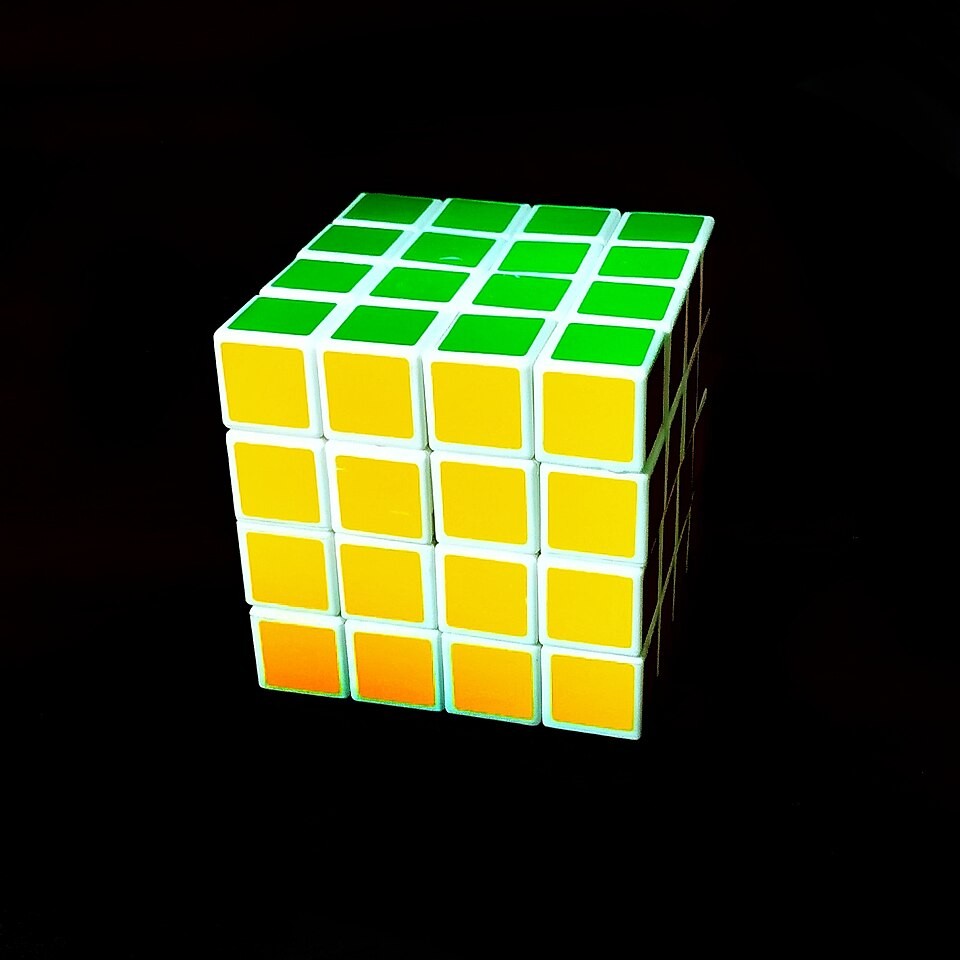
The time, the October 16 attempt and the pending certification are all part of the story. The image here is a representative cube, not a photograph of the students’ device. Their university’s account and UPI’s coverage are linked below. If Guinness confirms the title, that will be a further development; until then, we can admire the work without skipping the verification stage.
Sources and photograph
University of Canterbury, October 16 project report. UPI, October 19 coverage.
Representative photograph of a 4×4 cube, August 2020. Not the Canterbury robot, its equipment or its record attempt. Photo: Wiki Ruhan; CC BY-SA 4.0. Display copy resized. Where applicable, the resized photograph retains the stated ShareAlike license. Original photograph and rights record. Image-use terms.

More from this Daily Junk Food section.
Facts first. Side-eye included.
DJF separates what is confirmed from what is claimed—and tells you why this particular mess is worth your time.

Dana Side-Eye
Receipts, Rumors & Internet NonsenseDana reads the fine print, checks the timeline, and keeps one eyebrow permanently raised. She covers viral claims, internet pile-ons, and suspiciously convenient explanations.
“Screenshots are forever. So is the side-eye.”