A new proposal for federal trial remote access victims could make criminal proceedings easier for affected people to follow. Reuters reports that a judicial rulemaking panel is considering a narrow exception to the federal criminal-broadcasting ban so victims could watch remotely. This is a proposal under examination, not a nationwide streaming rule that has already taken effect.
The distinction between access and spectacle is the center of the debate. Giving an affected person a controlled way to observe a proceeding is different from putting the entire case into an unrestricted public feed. The first asks how a court can reduce a practical burden. The second raises a much larger set of questions about distribution, privacy, and what happens when clips escape their original context.
Analysis: the familiar image of an open courtroom can hide the cost of reaching it. Transportation, missed work, caregiving, lodging, and physical limitations do not stop being real because a hearing is public. A right that can only be exercised after buying a plane ticket is easier for some people to use than others. Apparently justice, like every airline, has been charging extra for access to the seat.
At the same time, a courtroom is not simply another meeting link. Witness safety, juror privacy, the integrity of testimony, and a defendant’s fair-trial rights all deserve concrete protections. A sensible proposal would identify who qualifies, where they may watch, what they may record, and who can suspend access when problems arise. Calling something secure does not make the settings configure themselves.
The strongest version of this discussion would test actual safeguards rather than force a choice between total prohibition and a public livestream with a reaction emoji bar. Limited access can be designed, evaluated, and revised. It should also be described in plain language so victims understand what help is available and defendants understand what protections remain.
For now, the consequential news is that the judiciary is examining a narrower route after resisting broader broadcasting changes. There is no new link for readers to click into every federal criminal case. There is a live policy question about how courts can remain fair while recognizing that the people most affected by a crime may live far beyond the courthouse steps.
Sources and photograph
Reuters, Nate Raymond, October 14, 2026.
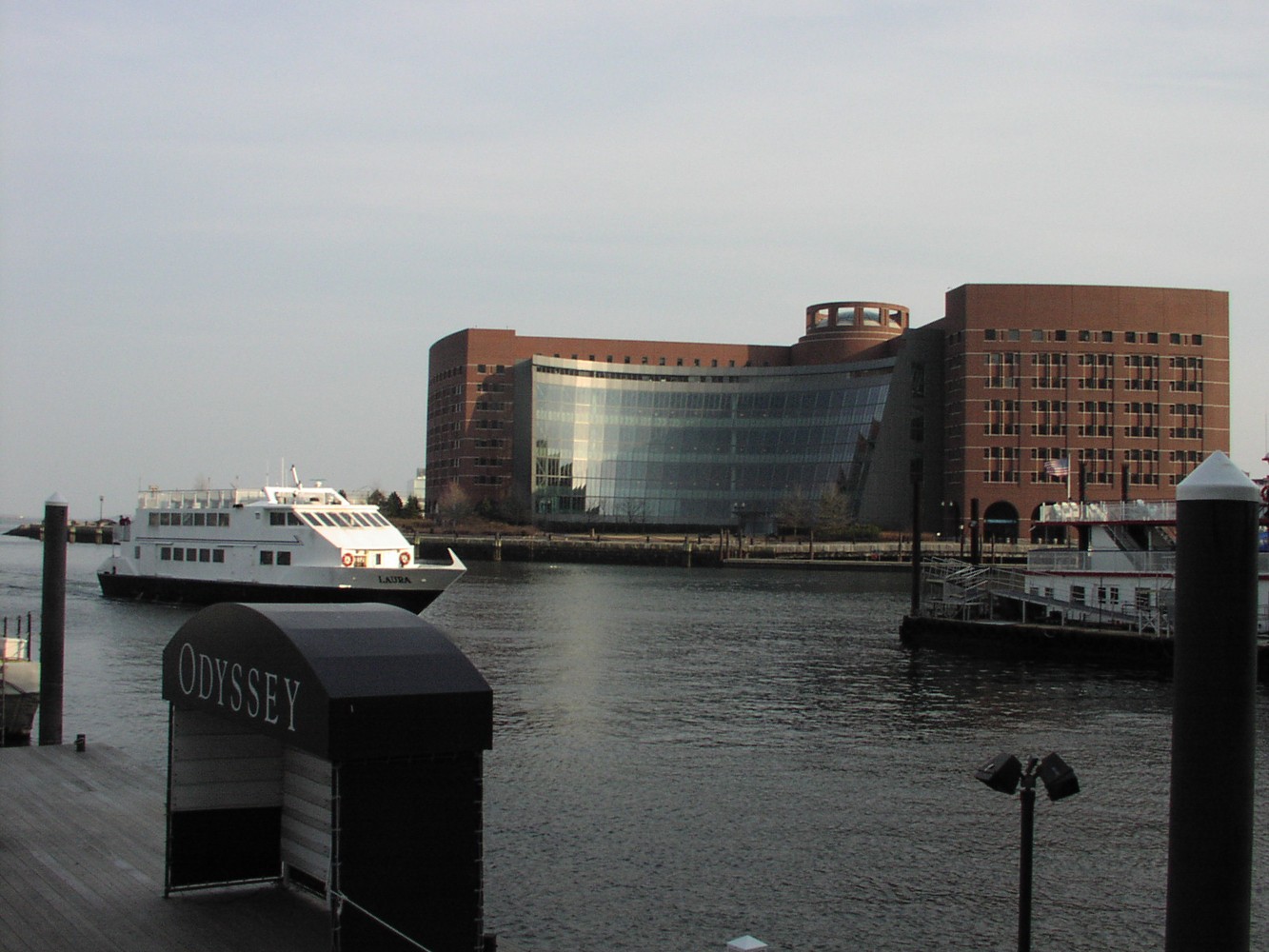
File photograph of Boston’s federal courthouse; representative location image, not the rulemaking meeting. Photo: Mbfitz at English Wikipedia; Public domain. Display copy resized. Original photograph and rights record.

Read more in this Daily Junk Food section.
Facts first. Side-eye included.
DJF separates what is confirmed from what is claimed—and tells you why this particular mess is worth your time.

Dana Side-Eye
Receipts, Rumors & Internet NonsenseDana reads the fine print, checks the timeline, and keeps one eyebrow permanently raised. She covers viral claims, internet pile-ons, and suspiciously convenient explanations.
“Screenshots are forever. So is the side-eye.”