Opinion · October 25, 2026
Here is the answer you came for: in U.S. places observing daylight saving time, clocks go back one hour on Sunday, November 1, 2026, at 2 a.m. local time. Two becomes one. We repeat an hour. The microwave begins another season of displaying whatever time it feels like.
October 25 is not the U.S. change date
NIST lists November 1 as the end of U.S. daylight saving time in 2026. Its rule is the first Sunday in November. The repeated hour is the early-morning hour when 2 a.m. becomes 1 a.m. Local exceptions exist; do not apply the rule indiscriminately to places that do not observe the change.
If you are coordinating with somebody overseas, check their location separately. A calendar date that is correct in one country is not automatically the answer in another. That distinction explains a remarkable amount of seasonal group-chat confusion.
Check the things that do not check themselves
Connected devices often adjust automatically when their settings are correct. Manual clocks still need attention. For a flight, shift, appointment or live event, use the organizer’s current local-time information rather than assuming every display has updated together.
You do not need to turn this into a home technology project. Identify the time-sensitive commitments, check their time zones and change the devices that require it. The decorative clock can be wrong for another afternoon without bringing civilization down.
The annual argument returns too
Google Trends’ U.S. Trending Now list showed daylight saving time as an active search surge on October 25. The spike tells us people want an answer. It does not establish that the law has just changed or that the twice-yearly adjustment has been abolished.
Our opinion is that any system requiring this much recurring clarification has earned some public irritation. But an argument about what lawmakers should do is different from a notice about what the clocks will do. For this fall, the operational answer remains November 1. Put it on the calendar. Then enjoy the theoretical extra hour before an appliance steals it back in setup menus.
Explore more Daily Junk Food coverage and the complete story archive.
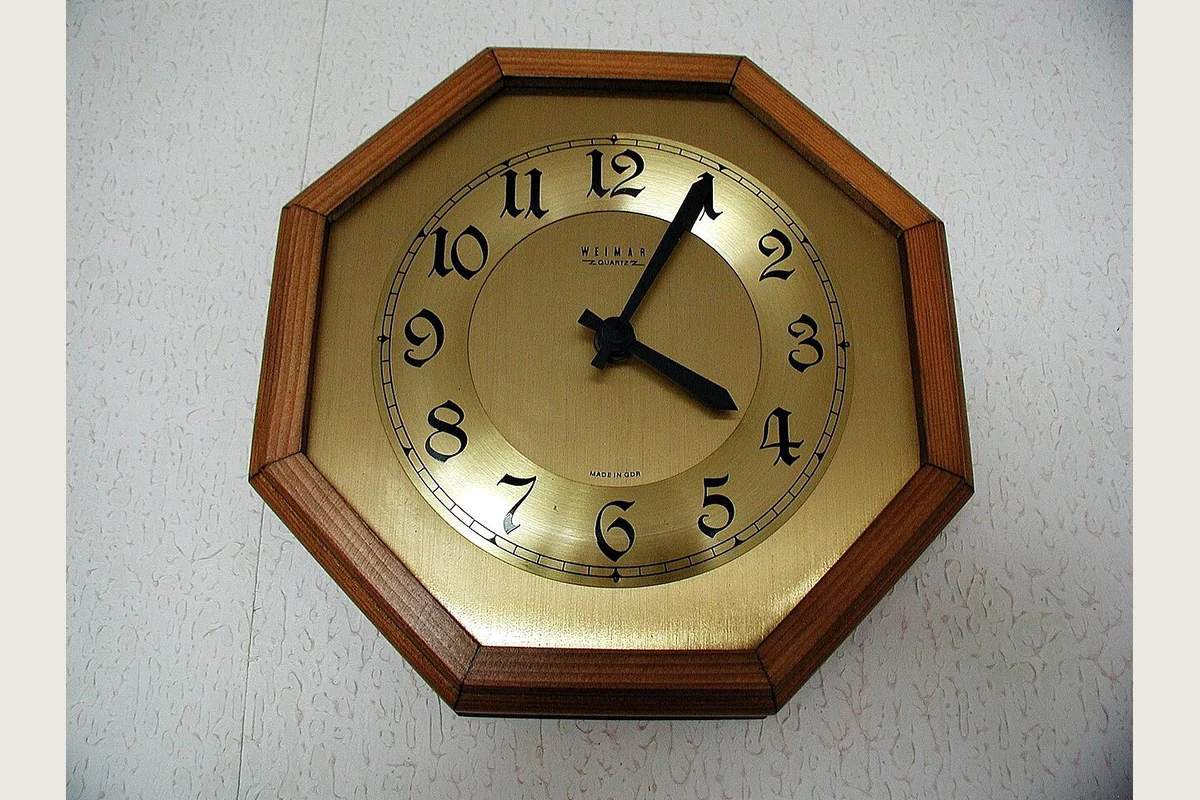
Photo: Paolo Neo / Public domain. Resized and padded for display; photograph content unchanged.

Facts first. Side-eye included.
DJF separates what is confirmed from what is claimed—and tells you why this particular mess is worth your time.